






Myth: A Miracle Cure for Everything
One of the most persistent myths surrounding papaya is that it's a miracle cure for serious diseases like cancer or dengue fever. You may have heard stories, especially during monsoon season, that eating papaya fruit can dramatically increase platelet
counts in dengue patients. The reality is far more complex. While some early research has explored papaya leaf extract (not the fruit itself) for its potential to mildly improve platelet counts, there is no strong scientific evidence to suggest that eating the fruit can cure viral infections. Relying on papaya instead of seeking proper medical care for serious conditions can be dangerous. The consensus from health professionals is clear: while papaya is healthy, it is not a substitute for medical treatment.
Reality: A Powerhouse of Vitamins and Antioxidants
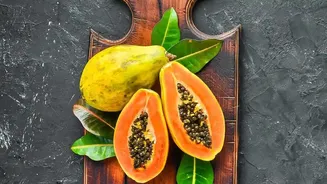
While it won't cure diseases, ripe papaya is a genuine nutritional powerhouse. It is exceptionally rich in Vitamin C, with a single medium-sized fruit providing more than 200% of the daily recommended intake. It's also an excellent source of Vitamin A, folate, and potassium. These nutrients are vital for a strong immune system, good vision, and heart health. Furthermore, papaya is loaded with powerful antioxidants like lycopene, which help protect our cells from damage caused by free radicals. Studies suggest that the body may absorb these beneficial antioxidants from papaya more effectively than from many other fruits and vegetables.
Myth: An Instant Fat Burner
Another common belief is that papaya can 'melt away' fat, leading to instant weight loss. The idea of a 'fat-burning' food is appealing, but it's largely a myth. No single food can cause significant weight loss on its own. While some claim the enzyme papain breaks down fat particles, its primary role is in protein digestion. The idea that eating papaya will magically negate the effects of a high-calorie diet is unfortunately not supported by science. Sustainable weight management is about overall dietary patterns and lifestyle, not a single 'miracle' ingredient.
Reality: A Champion for Digestive Wellness
This is where papaya truly shines. The fruit contains a special enzyme called papain, which is known for its ability to help break down proteins. This can make protein-rich foods easier to digest, potentially reducing symptoms like bloating and constipation. Beyond the enzyme, papaya is a good source of dietary fibre and has a high water content, both of which are crucial for maintaining regular bowel movements and a healthy digestive system. Its low calorie count also makes it a satisfying, sweet snack that won't derail a balanced diet, thus supporting weight management goals in a realistic way.
How to Enjoy Papaya Sensibly
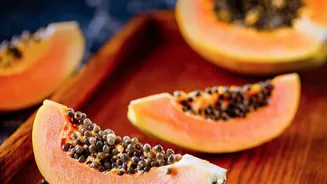
Incorporating papaya into your diet is simple and delicious. Enjoy it cubed as a refreshing breakfast fruit, blend it into a smoothie with yoghurt, or add it to a salad for a tropical twist. In India, raw papaya is widely used as a vegetable in dishes like curries and pickles, which is another excellent way to consume it. A key point to remember is the difference between ripe and unripe papaya. While ripe papaya is generally safe for most, unripe papaya contains high levels of latex and papain, which can cause uterine contractions. Therefore, pregnant women are often advised to avoid unripe or semi-ripe papaya. As with any food, moderation is key. Enjoy papaya for its flavour and its real, science-backed nutritional benefits as part of a varied and balanced diet.