






The Scene at 30,000 Feet
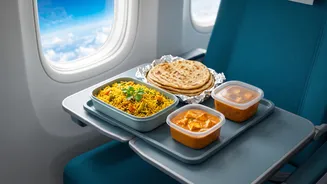
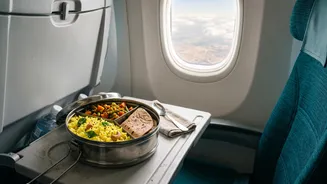
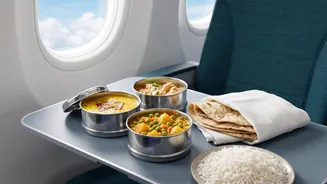
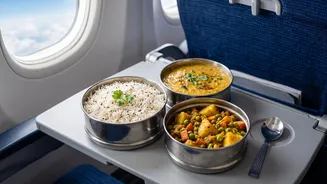
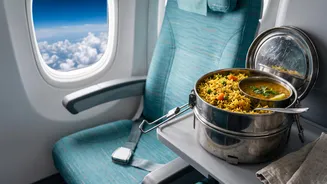
The viral clip showed a large family on an IndiGo flight turning their section of the cabin into a dining experience. A woman distributes disposable plates, and soon, containers of parathas, vegetable dishes, and other snacks are passed around. While
some viewers praised it as a wholesome and resourceful family moment, others were quick to criticize it as a breach of public etiquette, citing potential inconvenience to other passengers in a confined space. The debate has highlighted how differently people view the act of sharing food in public, but it also serves as a perfect case study in what to consider before you turn a shared space into your personal buffet.
Hygiene is Non-Negotiable
The most fundamental rule of sharing food is hygiene, an area where communal meals can easily go wrong. The first principle is to avoid cross-contamination. This means never using the same utensils for different dishes and, crucially, providing serving spoons and tongs for every item. This prevents multiple hands from touching the food. Another major faux pas is double-dipping—dipping a piece of food you've already bitten into back into a shared sauce. It’s a common party foul that can make others uncomfortable and is a quick way to spread germs. Always put food onto your own plate first before eating.
Mind the Temperature Danger Zone
Food safety experts are clear: perishable foods should not be left at room temperature for more than two hours. The temperature range between 40°F and 140°F (about 4°C to 60°C) is known as the 'danger zone,' where bacteria can multiply rapidly. For potlucks or picnics, this means keeping cold foods like salads and dairy-based dishes chilled in a cooler with ice packs, and keeping hot foods hot in insulated containers. If you're hosting, never add fresh food to a platter that's been sitting out; it's always safer to replace the entire dish with a fresh one.
Be a Considerate Host and Guest
Good food sharing etiquette goes beyond just safety; it's about consideration. Before you even offer to share, it's polite to ask if others are interested. Not everyone is comfortable sharing food, and that’s perfectly fine. If you're planning a group meal, it's also thoughtful to ask about dietary restrictions or allergies beforehand. In a setting like an airplane, being mindful of strong-smelling foods is also a key part of being considerate to fellow passengers who are in a small, enclosed space. Ultimately, the goal is to make eating together a pleasant experience for everyone involved.
The Art of the Serving Station
Whether it's a picnic, potluck, or party, a well-organized serving station can prevent many etiquette and hygiene missteps. Ensure every dish has its own serving utensil to prevent cross-contamination. If possible, use separate cutting boards and knives for raw meats versus vegetables and cooked foods during preparation. When setting up a buffet, arrange the flow of traffic logically and ensure there's enough space for people to move without feeling crowded. The person who brings a dish shouldn’t be expected to serve it to everyone; the setup should allow guests to serve themselves cleanly and easily.