




The Art of the Meal
We have all heard the expression 'we eat with our eyes first'. New research from the University of Southern California (USC) confirms this is not just a saying but a powerful psychological reality. A study published in the Journal of Marketing by researcher
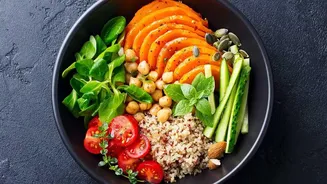
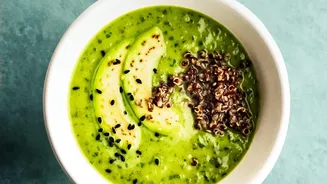
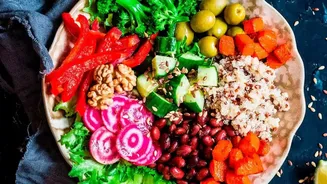
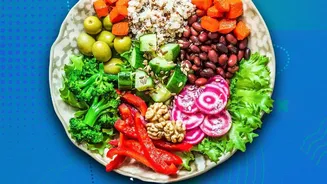
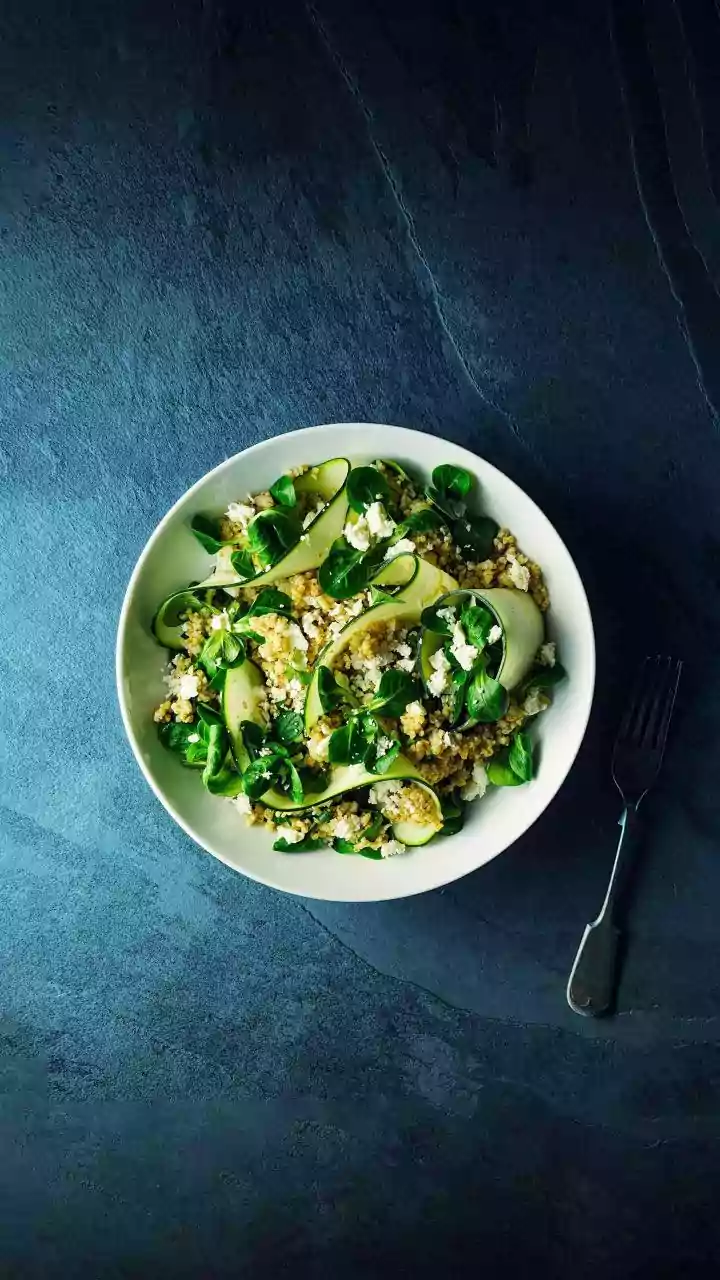
Dr. Linda Hagen found that when food is presented in a way that follows 'classical aesthetics'—meaning it is symmetrical, orderly, and arranged in clear patterns—people perceive it as healthier than the exact same food presented in a messy, haphazard way. In a series of experiments, participants were shown images of foods like avocado toast. When the avocado was neatly sliced and arranged, subjects rated it as more nutritious, lower in calories, and more 'natural' than when it was simply mashed onto the toast, even when they knew the ingredients were identical.
Why Order Feels Healthy
The reason for this bias lies in a mental shortcut our brains take. The study suggests that we associate classical aesthetic principles like symmetry and order with patterns found in nature, such as a honeycomb or a spider's web. This association with nature triggers a 'health halo'. Because we generally consider natural things to be healthier than artificial or processed things, that positive quality 'spills over' and makes the food itself seem healthier. It is an unconscious link: pretty patterns look like nature, nature feels pure, and therefore the pretty food must be better for us. This happens even when we consciously know the ingredients have not changed. This bias is so strong that the effect persists across a wide variety of foods, from healthy to unhealthy and processed to unprocessed.
The Calorie Cost of Beauty
This psychological quirk has tangible consequences. Dr. Hagen's research found that this health halo does not just affect our perception; it affects our behaviour. In one experiment, people were even willing to pay significantly more for a 'pretty' bell pepper than an 'ugly' one. Perhaps more concerning is how it can distort our estimation of calories. Another part of the study incentivised participants to correctly identify the lower-calorie option between two different snacks. People were more likely to incorrectly identify a beautifully presented toast as being lower in calories, even when it meant losing a small financial reward. This suggests the bias is strong enough to override our rational judgement and can lead us to underestimate the calorie content of well-presented, but potentially unhealthy, foods and desserts.
From Restaurants to Your Kitchen
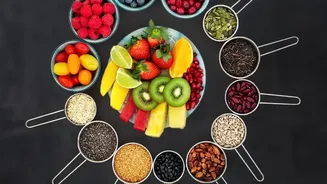
Food marketers, restaurants, and social media influencers have long understood the power of a visually stunning dish. Food styling is an entire industry dedicated to making menu items look as irresistible as possible, and this research confirms it also makes them appear healthier. But this knowledge can also be used for good. For parents trying to get children to eat their vegetables, or for adults aiming to make their own healthy meals more exciting, presentation matters. Arranging sliced fruits and vegetables in a neat pattern or creating a balanced, orderly plate could make that healthy meal more appealing and satisfying. By understanding this bias, we can use it to our advantage, making nutritious food more desirable and indulgent-looking without changing its content.
How to Eat With Your Eyes Open
While we cannot easily switch off this unconscious bias, being aware of it is the first step toward making more mindful choices. When you see a beautifully crafted cake or a perfectly symmetrical plate of fries, take a moment to pause. Remind yourself that the 'prettiness' is activating a health halo effect and that the visual appeal has no bearing on the food's nutritional value. Look beyond the presentation and marketing claims like 'natural' or 'organic', which also create health halos, and check the actual ingredients or nutritional information if it is available. By consciously separating a food's appearance from its content, you can better appreciate the artistry without letting it cloud your judgement about what you are truly eating.