



The Building Blocks of Health
Think of protein as the fundamental building block for your body. It's essential for virtually everything, from repairing tissues and building muscle to creating enzymes and hormones that regulate your metabolism. Proteins are made of smaller units called
amino acids. Your body needs 20 different amino acids to function, nine of which are called 'essential' because your body cannot produce them on its own—they must come from the food you eat. Without an adequate supply, you might experience fatigue, thinning hair, brittle nails, and a weakened immune system.
The 'Complete Protein' Myth
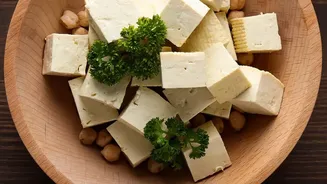
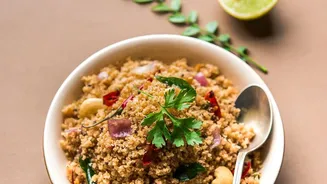
A common concern for vegetarians is the difference between 'complete' and 'incomplete' proteins. Complete proteins contain all nine essential amino acids in sufficient amounts. Animal products like meat and eggs fall into this category, as do some plant foods like soy (tofu, edamame, tempeh), quinoa, and chia seeds. Most other plant-based foods, such as lentils, beans, grains, and nuts, are considered 'incomplete' because they are low in one or more essential amino acids. However, this doesn't mean they are inferior. The old belief that you must combine specific incomplete proteins at every single meal has been debunked. Your body creates a pool of amino acids from everything you eat throughout the day. As long as you consume a variety of plant-based protein sources daily, your body can pull what it needs to form complete proteins.
How Much Protein Do You Need?
The recommended dietary allowance (RDA) for an average adult is about 0.8 grams of protein per kilogram of body weight. For a person weighing 70 kilograms, this translates to roughly 56 grams of protein per day. However, needs can vary based on age, gender, and activity level. Athletes or highly active individuals may require more, sometimes up to 1.2 to 2.0 grams per kilogram. Some research also suggests that because plant-based proteins can be slightly less digestible than animal proteins, vegetarians might benefit from consuming about 10% more protein than the standard recommendation to ensure they are absorbing enough.
Top Vegetarian Protein Sources in India
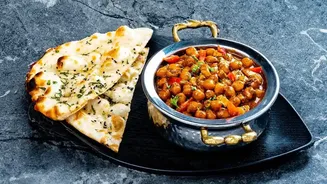
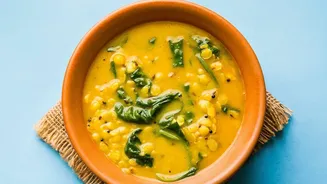
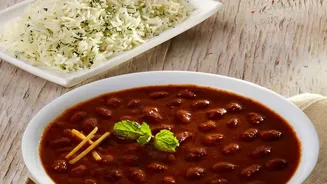
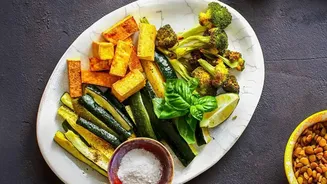
Meeting your protein goals on a vegetarian diet in India is easier than you think, thanks to a wealth of nutrient-dense traditional foods. Lentils (dal) are a staple, with a cooked cup providing around 18 grams of protein. Chickpeas (chana) and kidney beans (rajma) are also powerhouses, offering about 15 grams per cooked cup. Dairy products are excellent sources; paneer contains about 18 grams of protein per 100g, while Greek yogurt (hung curd) has about 10 grams. Soy products like tofu and tempeh are versatile and rich in protein. Don't forget nuts and seeds, which are great for snacking. A varied diet including these foods ensures a robust protein intake.
Signs of Protein Deficiency
While true protein deficiency is rare in those who eat a varied diet, it's wise to know the signs of low intake. Persistent fatigue, weakness, and loss of muscle mass are key indicators. You might also notice changes in your hair, skin, and nails, such as thinning hair, dry skin, or brittle nails, as these are largely made of protein. Other signs can include getting sick more often due to a weakened immune system or experiencing swelling (edema) in your hands and feet. If you experience these symptoms, it's important to evaluate your diet and consult a healthcare professional.