








The Gut-Brain Connection Explained
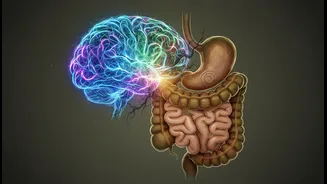
Your digestive system is often called the ‘second brain’, and for good reason. It’s lined with over 100 million nerve cells, forming a complex network known as the enteric nervous system. This system is in constant, two-way communication with your actual
brain, a relationship scientists call the gut-brain axis. This pathway allows your mental state to influence your gut health, and conversely, your gut’s condition can affect your mood and cognitive function. Messages travel back and forth through nerves, like the vagus nerve, and chemical signals like hormones and neurotransmitters. In fact, your gut produces a significant amount of the body's serotonin, a key neurotransmitter for regulating mood. This intricate dialogue means that what happens in your head doesn’t stay in your head—it’s felt directly in your gut.
How Stress Disrupts Your Digestion
When you encounter a stressful situation, your brain activates the 'fight-or-flight' response, releasing hormones like cortisol and adrenaline. This ancient survival mechanism prepares your body for immediate danger by redirecting energy away from functions it deems non-essential at that moment, including digestion. Blood flow is diverted from your digestive organs, stomach acid production can increase, and the normal muscular contractions of your gut (motility) can either speed up or grind to a halt. This can lead to a host of uncomfortable symptoms, such as heartburn, indigestion, nausea, bloating, and cramping. For some, stress causes the system to accelerate, resulting in urgent bathroom trips and diarrhoea, while for others it slows things down, leading to constipation.
From Gut Feelings to Behavioural Changes
The link between stress and digestion is a vicious cycle. Stress causes digestive upset, and the discomfort and anxiety from those symptoms can, in turn, increase your stress levels. This cycle doesn't just affect your physical comfort; it can significantly alter your mood and behaviour. An imbalance in the gut's beneficial bacteria, known as the microbiome, can be triggered by chronic stress. This disruption has been linked to changes in emotional regulation, irritability, and a heightened risk of anxiety and depression. When your gut is in distress, it can send signals to the brain that are interpreted as negative emotions, leading to feelings of frustration, fear, or sadness, which can make you more withdrawn or reactive in your daily interactions.
Breaking the Cycle: How to Manage Both
The good news is that you can take active steps to manage this cycle. Since stress is a major trigger, incorporating stress-reduction techniques is crucial. Practices like mindful meditation, deep breathing exercises, and yoga have been shown to calm the nervous system and can even reduce inflammation in the gut. One simple technique is the 4-4-4 breathing method: inhale for four counts, hold for four, and exhale for four. Regular physical activity is another powerful tool; even a moderate walk can help manage stress and improve gut motility. Quality sleep is also essential, as it helps regulate stress hormones and supports healthy digestion. Aim for seven to nine hours a night to give both your mind and gut a chance to rest and repair.
Nutritional Strategies for a Healthier Gut
What you eat plays a direct role in the health of your gut microbiome and your resilience to stress. Focus on a balanced diet rich in fibre from fruits, vegetables, and whole grains. Include anti-inflammatory foods like salmon and walnuts, which are high in omega-3s. Probiotic-rich foods such as yogurt and other fermented foods can help support the beneficial bacteria in your gut. It’s also wise to limit stimulants like excessive caffeine and alcohol, as well as highly processed foods, which can worsen both stress and digestive issues. Staying well-hydrated by drinking plenty of water is fundamental for smooth digestion and can help prevent symptoms like constipation.