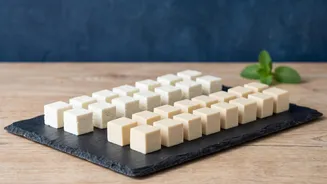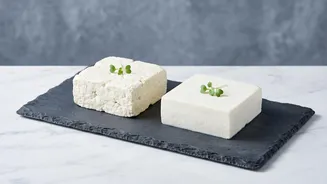





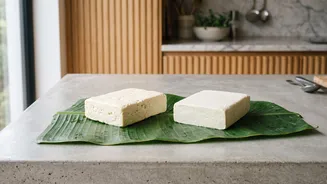
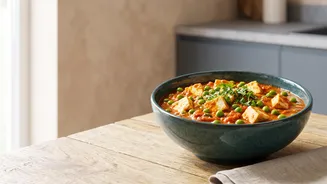
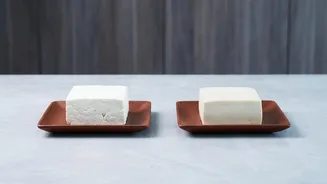
What Exactly Is Analogue Paneer?
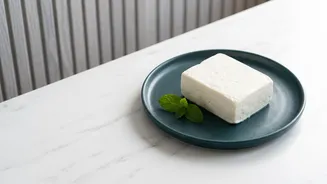
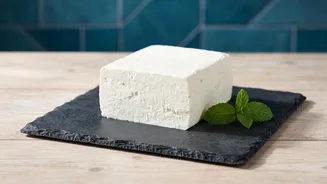
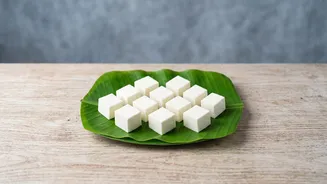
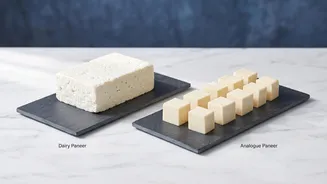
At first glance, analogue paneer looks and feels just like the real thing. However, the difference lies in its ingredients. Authentic paneer is a fresh cheese made by curdling milk. Analogue paneer, on the other hand, is a substitute where milk constituents,
primarily expensive milk fat and protein, are partially or wholly replaced with non-dairy ingredients. Most commonly, manufacturers use vegetable oils (like palm oil), starch, skimmed milk powder, and emulsifiers to create a product that mimics the texture and appearance of traditional paneer. The result is a cheaper alternative, but one that is often lower in protein and higher in processed fats, classifying it as a different product altogether.
Why Is FSSAI Stepping In?
The core issue for the Food Safety and Standards Authority of India (FSSAI) is consumer transparency. The regulator’s primary concern is that consumers are being misled. When you buy a packaged product labelled 'paneer' or order a paneer dish at a restaurant, you expect to receive a dairy product with a specific nutritional profile. However, if an analogue is used without clear disclosure, the customer is unknowingly consuming a different item. This practice has become widespread enough that several states, including Maharashtra, Gujarat, and Karnataka, have already imposed their own bans or restrictions on the sale of analogue paneer misrepresented as the real thing. FSSAI’s proposed nationwide rules aim to create a uniform standard to prevent this confusion across the country.
Decoding the New Draft Rules
The FSSAI's proposal isn't an outright ban on the product itself, but a strict restriction on how it can be named and marketed. The draft amendment, published in late September 2026, seeks to prohibit the use of the term “paneer” for any product not made from milk. This means that manufacturers will no longer be able to include the word 'paneer' in the product’s name, labelling, or advertising. Even products that are currently licensed under the existing “Analogue in Dairy Context” category will have to be renamed. The goal is to ensure that the word “paneer” is reserved exclusively for the traditional milk-based product, eliminating any ambiguity for consumers at the point of sale.
How Will This Affect You?
For consumers, this change means more clarity. You will be better able to distinguish between authentic dairy paneer and its non-dairy substitutes. For restaurants and food service businesses that use analogue paneer to manage costs, they will be required to clearly state this on their menus. This prevents a situation where a dish is advertised with paneer but made with a cheaper alternative. For manufacturers of analogue products, the challenge will be to rebrand and market their products under a new name that doesn't use the term 'paneer'. While they can continue to produce and sell their products, they must do so transparently. This move is expected to level the playing field for dairy farmers and producers of genuine paneer who have been competing with lower-cost imitations.
What Happens Next?
It is important to remember that these are currently draft regulations. The FSSAI has opened a 60-day window for stakeholders—including manufacturers, consumer groups, and the general public—to submit their suggestions and objections. This consultation period allows the industry and consumers to voice their opinions on the proposed changes. Once the 60-day period concludes, the FSSAI will review all the feedback before making a final decision on the amendment. If finalised, the rules will establish a clear, nationwide regulatory framework for how paneer and its analogues are labelled and sold, bringing an end to the grey area that has existed for years.