





A New Era for Wildlife Tourism
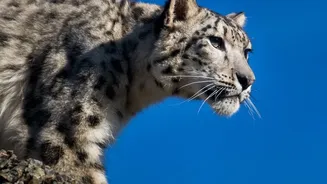
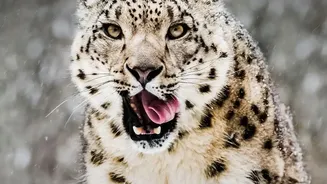
In October 2026, the Ladakh administration officially launched India's first high-altitude wildlife safari, specifically targeting snow leopard sightings. This isn't just about tourism; it's a major step towards community-based conservation. The programme,
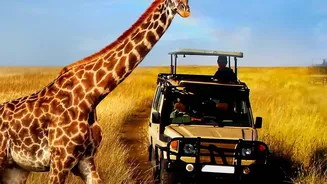
a collaboration between the administration and the Snow Leopard and High-Altitude Nature Conservation (SHAN) Society, uses specially designed vehicles and trained local guides. The core objective is to promote responsible eco-tourism, prevent illegal off-roading that damages the fragile ecosystem, and create sustainable livelihoods for local communities, making them active partners in conservation. The initiative was flagged off during Wildlife Week 2026, starting with six vehicles operating on approved routes.
Where the Ghosts Roam
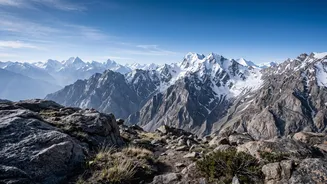
Ladakh is rightfully called the 'snow leopard capital of the world', hosting an estimated 477 of India's total 718 individuals. This new safari programme initially focuses on the hotspots where these majestic cats are most frequently sighted. Key locations include the valleys of Rumbak, Shang, and Ulley. These areas fall within the broader landscape of Hemis National Park, which boasts one of the highest recorded densities of snow leopards anywhere on the globe. As the programme expands, routes are being identified in other promising regions like Changthang and Karakoram Wildlife Sanctuaries, as well as areas around Nubra, Zanskar, and Kargil.
The Best Time for Your Expedition
Patience and timing are everything. The prime season for spotting snow leopards is during the harsh winter months, generally from November through March. During this period, the heavy snowfall at higher elevations pushes their primary prey, like the bharal (blue sheep) and ibex, down into the more accessible valleys. The snow leopards naturally follow their food source, bringing them to lower altitudes where they are more likely to be seen. While February and March are traditionally popular due to mating season activity, sightings are consistently possible throughout the winter. Be prepared for extreme cold, with daytime temperatures often staying below freezing.
What to Expect on a Safari
A snow leopard safari is an adventure, not a leisurely drive. It requires physical fitness, acclimatisation to high altitudes (Leh is at 11,500 feet), and a great deal of patience. Most expeditions begin with two to three days in Leh to allow your body to adjust to the low oxygen levels. Daily life on the safari involves early starts, with expert local trackers scanning the mountainsides for any sign of the cats. You'll travel by vehicle to vantage points and then proceed on foot, using spotting scopes and binoculars to scan the vast, rocky terrain. Sightings are never guaranteed, but the expertise of local guides, who have an intimate knowledge of the animal's behaviour, significantly increases your chances.
Choosing a Responsible Trip
The ethos of snow leopard tourism in Ladakh is deeply connected to conservation. When choosing an operator, look for those who prioritise community involvement and ethical practices. Many established tour companies work directly with local communities, employing them as guides and trackers and using a network of village homestays for accommodation. These homestay programmes, pioneered by organisations like the Snow Leopard Conservancy India Trust, ensure that tourism revenue directly benefits the people who share the landscape with the wildlife. This approach turns the snow leopard from a perceived threat to livestock into a valued asset for the community, fostering a powerful incentive for its protection.
More Than Just Leopards
While the snow leopard is the star attraction, the starkly beautiful landscape of Ladakh is home to a host of other fascinating wildlife. During your search, you are very likely to encounter herds of blue sheep and Asiatic ibex clinging to the cliff faces. You might also spot the Tibetan wolf, red fox, or the elusive Eurasian lynx. The skies are equally rewarding for birdwatchers, with opportunities to see majestic golden eagles and lammergeiers (bearded vultures) soaring on the updrafts. This rich biodiversity makes every day in the field a rewarding experience, whether the 'ghost' makes an appearance or not.