






The Atlantic Is Not the Mediterranean
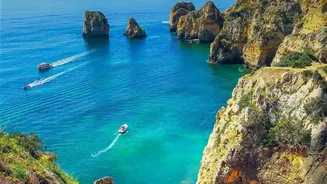
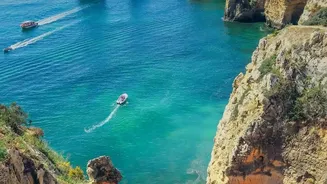
First, it's vital to understand that the waters bathing Portugal are the powerful North Atlantic, not the calmer Mediterranean. Even on a bright, sunny day with little wind, powerful swells generated by storms hundreds of miles away can arrive unexpectedly
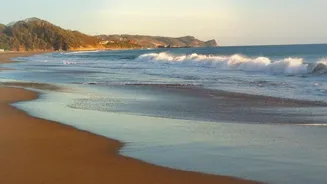
at the coast. These long-period waves carry immense energy and can create dangerous shore breaks, where waves crash directly onto the sand with significant force. Unlike the often-gentle lapping of Mediterranean waves, the Atlantic is dynamic and can change rapidly, making it essential for swimmers to remain vigilant at all times. Never turn your back on the sea, as rogue waves can sweep people off rocks or the shoreline without warning.
Understanding the Power of the Tide
Tides are the regular rise and fall of the sea level, caused by the gravitational pull of the moon and sun. In Portugal, these changes can be dramatic, altering a beach's landscape in just a few hours. A wide, sandy expanse at low tide might disappear completely as the tide comes in, potentially cutting off your return path if you've explored around a headland or into a sea cave. Every year, emergency services rescue people trapped by rising water. Conversely, a high tide can quickly make the water much deeper close to shore, surprising less confident swimmers. Always check a local tide chart before you head out, especially if you plan on exploring coves and rock formations.
Spotting the Silent Threat: Rip Currents
Rip currents are the single greatest danger on Portuguese beaches, responsible for the majority of drownings and rescues. They are powerful, narrow channels of water that flow away from the shore at high speed, capable of pulling even the strongest swimmer out into deeper water. They are not 'rip tides' and have nothing to do with the tide itself, but they are often strongest when the tide is outgoing. The key is to know how to spot them: look for a channel of churning, choppy, or discoloured water; a gap in the line of breaking waves; or a line of foam or seaweed moving steadily out to sea. A patch of water that looks deceptively calm might actually be a rip.
What to Do If You're Caught in a Rip
If you find yourself caught in a rip current, the most important thing to do is stay calm and conserve your energy. A rip will pull you away from shore, but it will not pull you under the water. Do not try to swim directly against the current; you will exhaust yourself without making progress. Instead, swim parallel to the shoreline until you are free of the current's pull. Once you are out of the rip, you can then angle back toward the breaking waves and make your way to shore. If you are unable to escape, float on your back, wave your arms, and shout for help.
Why 'Quiet' Doesn't Mean 'Safe'
The allure of a 'quiet' or 'secret' beach is undeniable, but these locations often come with a hidden trade-off: a lack of supervision. Many of Portugal’s secluded coves and wilder beaches are unpatrolled, meaning there are no lifeguards, no warning flags, and no one to help if you get into trouble. In fact, data shows that the overwhelming majority of drownings occur on unguarded beaches. 'Quiet' beaches, often reached by steep trails or unpaved roads, put the full responsibility for safety on you. Before you venture to a remote spot, you must be prepared to assess the conditions yourself.
Your Pre-Swim Safety Checklist
Before entering the water, especially at an unpatrolled beach, take a few minutes to observe. Check a reliable forecast for swell and tide information. When you arrive, watch the water for at least 15 minutes to identify wave patterns and potential rip currents. If possible, choose a lifeguarded beach, which will be marked by flags: green for safe, yellow for caution, and red for no swimming. Remember that pool swimming is no substitute for ocean experience; the Atlantic's currents and changing conditions present a much greater challenge. By taking these simple precautions, you can fully appreciate the stunning beauty of Portugal's coast with confidence and respect.