






The Heart of the Controversy
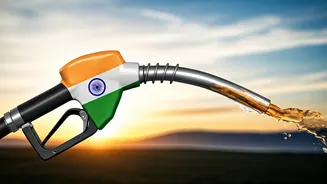
The issue began with media reports, originating from a Bhutanese newspaper, which claimed that the neighbouring country had turned down a proposal from Indian Oil Marketing Companies (OMCs) to import E20 petrol. E20 is petrol blended with 20% ethanol,
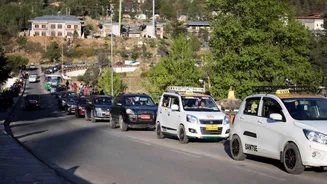
a key part of India's clean energy transition policy. According to these reports, Bhutanese officials had expressed concerns about the fuel's suitability for their existing infrastructure. The primary worry cited was that older underground storage tanks, common in Bhutan's mountainous terrain, could be vulnerable to water seepage, which can affect the quality of ethanol-blended fuel and potentially damage vehicle engines.
A Firm Denial from the Government
In response to the growing narrative, India’s Ministry of Petroleum and Natural Gas issued a swift and unambiguous denial. In a public “Fact Check,” the ministry stated that claims of Bhutan declining an offer were “incorrect.” The core of the government's clarification is that no such offer was ever on the table. The official statement read: "No such offer has been made by the Oil Marketing Companies (OMCs), and there is no proposal for export of E20 petrol to Bhutan.” Essentially, the government’s position is that Bhutan could not have rejected a proposal that was never formally made, thereby aiming to quell speculation about a diplomatic or trade disagreement.
A Partnership Built on Trust and Aid
This exchange, while focused on fuel, plays out against a backdrop of an exceptionally deep and strategic relationship. India remains Bhutan’s most important development partner by a significant margin. For Bhutan's 13th Five-Year Plan (2024-2029), India has committed assistance of ₹10,000 crore. This financial support is not abstract; it funds a wide array of tangible projects including healthcare centres, schools, roads, bridges, and digital infrastructure across the Himalayan kingdom. This long-standing cooperation has been described by the Ministry of External Affairs as an “exemplary partnership” built on deep trust and goodwill.
Beyond Aid: Strategic and Economic Ties
The India-Bhutan relationship extends far beyond development aid into crucial economic and strategic domains. Hydropower has long been a cornerstone of this cooperation, with India not only funding major projects but also being the primary buyer of Bhutan’s surplus electricity. More recently, India has pledged its full support for Bhutan's ambitious Gelephu Mindfulness City, a special administrative region on the border with Assam aimed at attracting foreign investment and creating an economic corridor connecting South and Southeast Asia. India's commitment includes enhancing road and railway connectivity to the region, underscoring its integral role in Bhutan’s economic future.
Why Such Rumours Are Significant
In the context of such a close partnership, reports of disagreements, even if officially denied, are noteworthy. They can be amplified to create a perception of friction where none exists. For India, Bhutan is a vital buffer and a steadfast ally in a sensitive Himalayan region where other global powers are attempting to increase their influence. For Bhutan, a landlocked nation, India is its gateway to the sea and the world, and its primary economic anchor. The timing of the E20 report is also relevant as it surfaced while the Indian government was addressing domestic debates about its ethanol-blending policy. This makes the narrative of a foreign partner's 'rejection' a sensitive talking point, which explains the government's strong move to label it misleading.