





A Legacy of Stricter Scrutiny
The phrase “Trump-era visa enforcement” refers to a suite of policies and a general shift in administrative attitude that began between 2017 and 2021. While administrations change, the machinery of policy often moves more slowly, and the impact of these
changes continues to be felt. Key among these were moves to tighten the criteria for H-1B work visas, which are a common goal for students post-graduation, and increased scrutiny on the F-1 student visa itself. Policies promoting “extreme vetting” have led to more rigorous interviews, demands for more extensive documentation, and a less predictable application process. According to the Presidents' Alliance on Higher Education and Immigration, the Trump administration took over 400 immigration-related actions, creating a complex and often intimidating landscape for students.
The Numbers Tell a Story
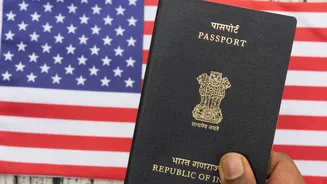
Recent data from 2025 and 2026 highlights a worrying trend. According to an analysis by the Center for Immigration Studies, F-1 student visas issued to Indian nationals plunged by 62% during the peak admission season of May to August 2025, compared to the same period in 2024. In raw numbers, this meant a drop from over 58,000 visas to just over 22,000. The F-1 visa rejection rate for Indian applicants has also climbed, hitting a decade-high of 41% in 2024. This is a significant increase from pre-pandemic levels and reflects the tougher environment applicants now face. The most common reason for denial falls under Section 214(b) of the US Immigration and Nationality Act, which requires applicants to prove they do not intend to immigrate permanently—a subjective and often difficult hurdle to clear.
OPT and H-1B: The Unravelling Pathway
For many Indian students, the F-1 visa is just the first step. The ultimate goal often includes gaining work experience through Optional Practical Training (OPT) and securing an H-1B visa. However, this pathway is also under pressure. Proposals from the Trump administration aimed to restrict OPT and its STEM extension, which are critical for gaining practical experience. More recent regulatory agendas from August 2026 indicate continued plans to reform the H-1B program, with a focus on narrowing exemptions and increasing oversight of third-party placements, a model frequently used by Indian IT consulting firms. This creates a double bind: students face a tougher battle to get into the US, and once there, the path to a sustainable career is becoming more constrained.
The Human and Financial Stakes
Behind the statistics are the very real anxieties of students and their families. A visa rejection doesn't just mean a change of plans; it often means the loss of non-refundable university deposits and hefty visa application fees. The emotional toll of a denial, after years of academic preparation and financial planning, is immense. Furthermore, the fear of deportation for minor infractions has grown. Incidents of students being deported for seemingly small issues, such as honestly admitting to past marijuana use (which is federally illegal in the US despite state laws), highlight the unforgiving nature of the current enforcement climate. Reports from early 2026 show that hundreds of Indian nationals have been deported from the US, underscoring that the consequences of a misstep can be severe.
Navigating the New Normal
The dream of studying in America is not over for Indian students, but the rulebook has changed. The current environment demands meticulous preparation and an acute awareness of the rules. Applicants must be prepared for a 3-5 minute interview where they must convincingly demonstrate their academic intent and strong ties to India. With increased scrutiny, every part of an application, from the DS-160 form to social media history, can be examined. This heightened pressure has led many to consider alternatives, with reports showing a significant drop in student interest in the US, while countries like Germany, Ireland, and the UK see a corresponding rise. For those still set on the US, success now depends not just on academic merit, but on navigating a complex and demanding bureaucratic process with zero room for error.