



The Green Vegetable Paradox
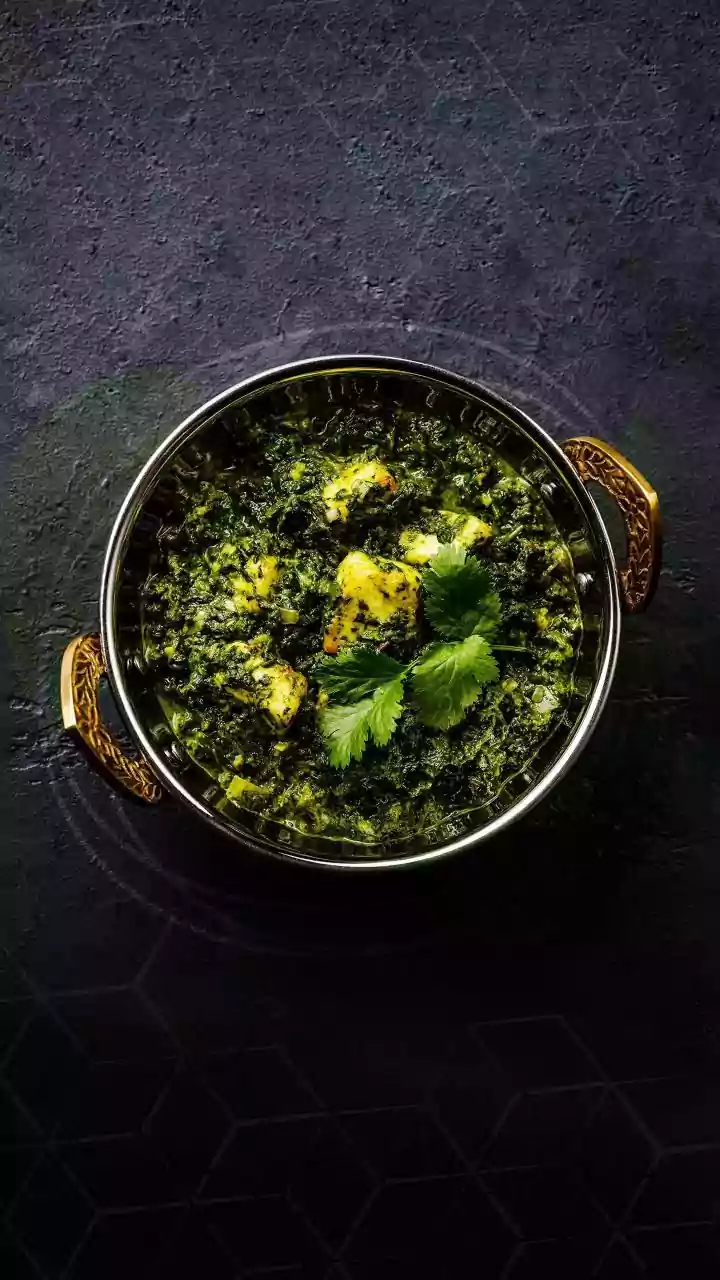
On paper, many leafy greens look like calcium superstars. Spinach (palak), for instance, contains a significant amount of calcium. For generations, we've been told to eat our greens for strong bones, and this advice isn't wrong—greens are packed with
essential nutrients like iron, potassium, and vitamins. However, the amount of a nutrient a food contains and the amount your body can actually absorb—known as its bioavailability—are two very different things. When it comes to the calcium in certain popular greens, there’s a catch that significantly changes the story.
Meet the Oxalates: Calcium's Kryptonite
The problem lies with a naturally occurring compound called oxalate. Found in high concentrations in greens like spinach (palak) and amaranth (chaulai), oxalates bind with calcium in the gut to form calcium oxalate. This new compound is insoluble, meaning your body cannot absorb it, and it gets flushed out. As a result, only a tiny fraction of the calcium from high-oxalate greens is actually available for your body to use. Some studies suggest that as little as 5% of the calcium in spinach is absorbed. This doesn't mean these greens are unhealthy; their other benefits are immense. It just means we shouldn't rely on them as our primary source of calcium.
The Real Heroes: Bioavailable Calcium Sources
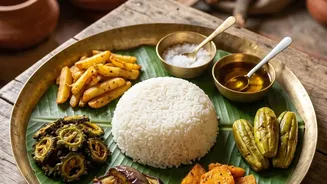
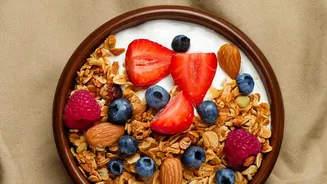
So, if not just palak, then what? The key to meeting your daily calcium needs—which for most adults is around 1000 mg per the Indian Council of Medical Research (ICMR)—is dietary diversity. Fortunately, the traditional Indian kitchen is already equipped with fantastic, highly absorbable calcium sources. The most well-known are dairy products. Milk, dahi (curd), and paneer are excellent because their calcium is highly bioavailable, and the lactose in milk can even aid absorption. For many, a daily bowl of dahi or a serving of paneer provides a strong foundation for bone health.
Powerful Plant-Based Alternatives
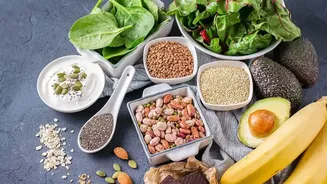
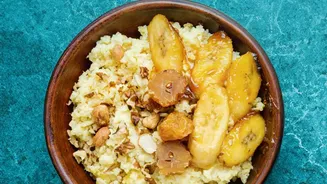
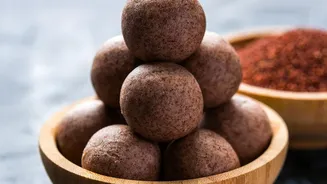
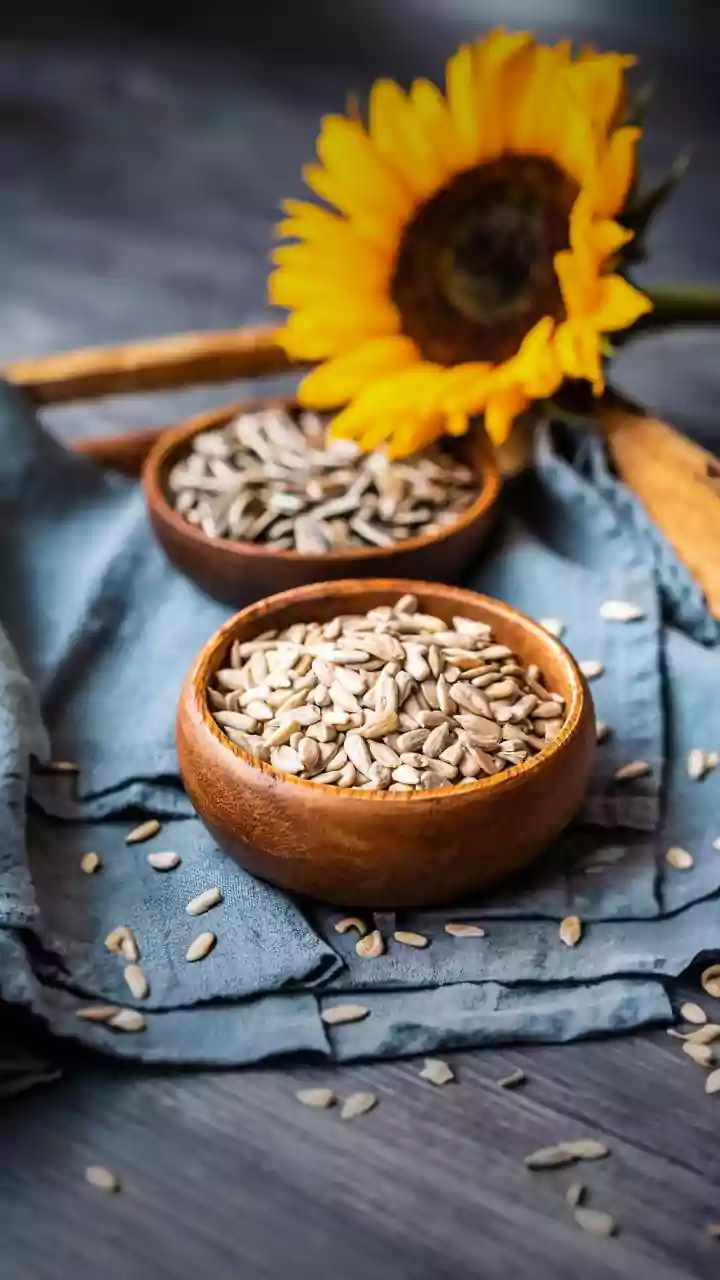
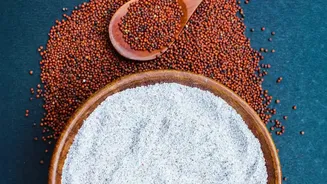
For those who are lactose intolerant, vegan, or simply want to diversify, there are incredible plant-based powerhouses. The undisputed champion in the Indian diet is ragi (finger millet). Gram for gram, ragi contains significantly more calcium than most other cereals. Another tiny giant is sesame seeds (til). Whether in laddoos, chikkis, or as tahini, sesame seeds are one of the richest plant sources of calcium available. Legumes like chickpeas (chana) and kidney beans (rajma), along with nuts like almonds, also contribute a healthy dose. Soybeans and their products, like tofu, are another excellent addition.
Smarter Greens and Other Helpers
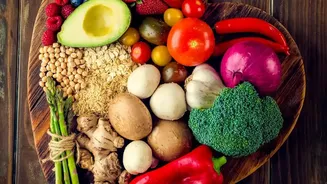
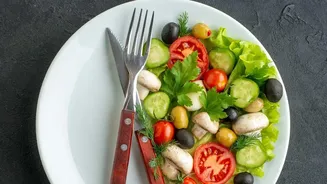
Not all greens are high in oxalates. Mustard greens (sarson), kale, and drumstick leaves (moringa) offer a better calcium payoff. Moringa, in particular, is a nutrient-dense leaf that can be easily added to dals and subzis. To maximize what you absorb, remember that Vitamin D is calcium's best friend; it's essential for absorption. Ensuring you get adequate, safe sun exposure or consuming Vitamin D-rich foods can make a huge difference. Building a truly calcium-rich diet isn't about focusing on one 'superfood' but about creating a balanced plate that draws from multiple food groups.