






1. Fuel Your Walk, Don't Overfill the Tank
The goal of a low-pressure walk is to feel energised and refreshed, not sluggish. Eating a large meal right before you head out can lead to discomfort as your body tries to digest and exercise simultaneously. Instead, focus on a light, easily digestible
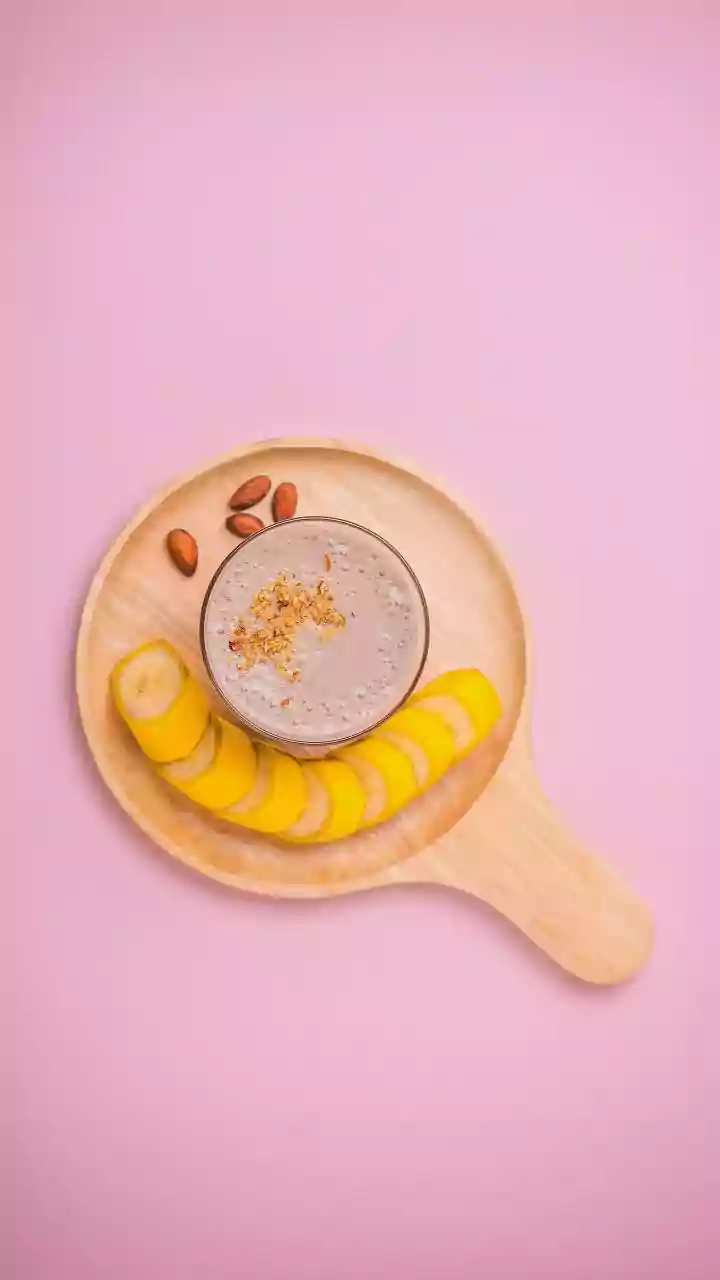
carbohydrate snack about 30 to 60 minutes before your walk. A banana or a small bowl of oatmeal are excellent choices. These foods provide a quick source of fuel for your muscles and brain without weighing you down, ensuring your movement feels good from the first step to the last. For gentle activities like a daily walk, this small boost is often all you need to get the most out of your movement. Think of it as putting just enough fuel in the car for a short trip, ensuring an efficient and comfortable ride.
2. The Smart Post-Movement Snack
What you eat after your movement is just as important as what you eat before. While a gentle walk doesn't require a massive recovery meal, a small, thoughtful snack can help your body repair and build. The focus here should be on a combination of protein and carbohydrates within one to two hours of finishing your activity. Protein helps with muscle maintenance, while carbohydrates replenish the energy stores you've used. This doesn't have to be complicated. Simple options like a handful of nuts, a small serving of yogurt, or a glass of milk are effective. This post-activity snack helps stabilise blood sugar levels, prevents the intense hunger that can lead to overeating later, and maximises the benefits of your daily movement.
3. Hydration as a Movement Motivator
Sometimes thirst is mistaken for hunger, leading to unnecessary snacking. By focusing on staying hydrated throughout the day, you become more in tune with your body’s actual needs. This simple habit has a dual benefit: it supports overall health and can reduce calorie intake. Furthermore, proper hydration is key to physical performance, even at low intensities. When your body is hydrated, your muscles function better, you feel more energetic, and movement feels easier. Try linking hydration to movement. Keep a water bottle on your desk and take a short walk to refill it every hour. This small act gets you moving and ensures you're drinking water consistently, creating a positive feedback loop where hydration encourages movement, and movement encourages hydration.
4. Anchor Your Day With One Great Meal
Trying to eat perfectly at every meal is a recipe for stress and failure. A more sustainable approach is to focus on one “anchor meal” each day that is consistently balanced and nutrient-dense. This could be your lunch or your dinner. The principle of food combining suggests pairing proteins (like chicken or lentils) with non-starchy vegetables (like leafy greens, broccoli, and carrots) or pairing starches (like rice or potatoes) with those same vegetables. By not mixing large amounts of protein and starches in the same meal, some find digestion can feel smoother. Having this one solid, well-combined meal provides a nutritional foundation for your day. It takes the pressure off every other food choice and complements the benefits of your daily low-pressure movement by ensuring your body gets a reliable influx of quality nutrients.