





The Essence of Sawan Fasting
The month of Sawan, also known as Shravan, is one of the most sacred periods in the Hindu calendar, dedicated to the worship of Lord Shiva. Many devotees observe fasts, particularly on Mondays (Somvar), to seek blessings, purify the mind and body, and practice
spiritual discipline. This period of fasting, or 'vrat', comes with a specific set of dietary guidelines rooted in Sattvic principles, which emphasize simple, pure foods that are light on the body and calming for the mind. The diet traditionally avoids grains like wheat and rice, lentils, onions, garlic, and regular table salt. This is also tied to Ayurvedic wisdom, which suggests that digestion is weaker during the monsoon season, making a lighter diet more suitable.
Navigating the Vrat Kitchen
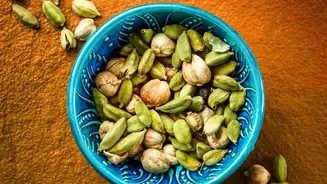
While the list of restricted foods may seem long, the vrat-friendly pantry is surprisingly versatile. Staples include fruits, milk products like paneer and ghee, and specific pseudo-grains and flours such as sabudana (tapioca pearls), kuttu (buckwheat flour), and rajgira (amaranth flour). Vegetables like potatoes, sweet potatoes, and bottle gourd (lauki) are widely consumed. Seasoning is kept simple, with sendha namak (rock salt) replacing regular salt, and mild spices like cumin, black pepper, and cardamom being permitted. The goal is to consume foods that provide energy without being heavy or difficult to digest, allowing the focus to remain on spiritual reflection.
Why Aloo Halwa Is a Perfect Fit
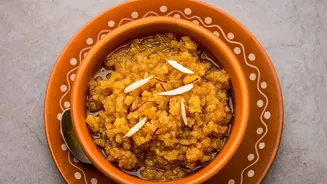
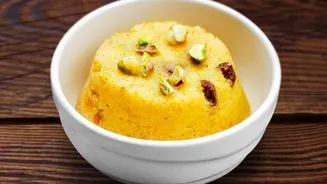
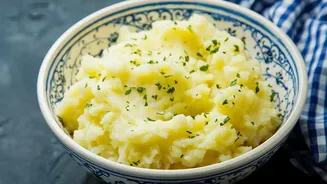
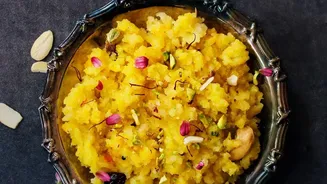
Amidst the savoury dishes of sabudana khichdi and kuttu ki puri, the desire for a satisfying dessert often arises. This is where Aloo Halwa, a traditional sweet from North India, shines. Made primarily from boiled and mashed potatoes, ghee, sugar or jaggery, milk, and nuts, every single one of its ingredients is permissible during a Sawan fast. Potatoes, being a root vegetable, are a fasting staple that provide carbohydrates for energy. Ghee offers richness and healthy fats, while sugar provides a quick energy boost. The result is a warm, comforting, and indulgent dessert that is naturally gluten-free and perfectly aligned with vrat principles. It’s a sweet treat that nourishes and satisfies without breaking the rules of the fast.
A Simple Recipe for Vrat-Friendly Halwa
Making Aloo Halwa at home is a straightforward process. Start by boiling, peeling, and mashing or grating about half a kilogram of potatoes. The secret to a smooth texture is to ensure there are no lumps. Heat a few tablespoons of pure ghee in a heavy-bottomed pan and roast the mashed potatoes on medium heat for several minutes until they turn a light golden brown and release a pleasant aroma. Next, add sugar to your taste and continue to cook until it dissolves completely. Pour in about half a cup of milk, perhaps infused with a few strands of saffron for colour and fragrance, and stir well. Add a pinch of cardamom powder for flavour. Continue cooking, stirring constantly, until the halwa thickens and starts to pull away from the sides of the pan. Finally, mix in chopped nuts like almonds and cashews, and serve hot.
Other Grain-Free Fasting Sweets
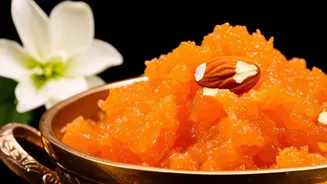
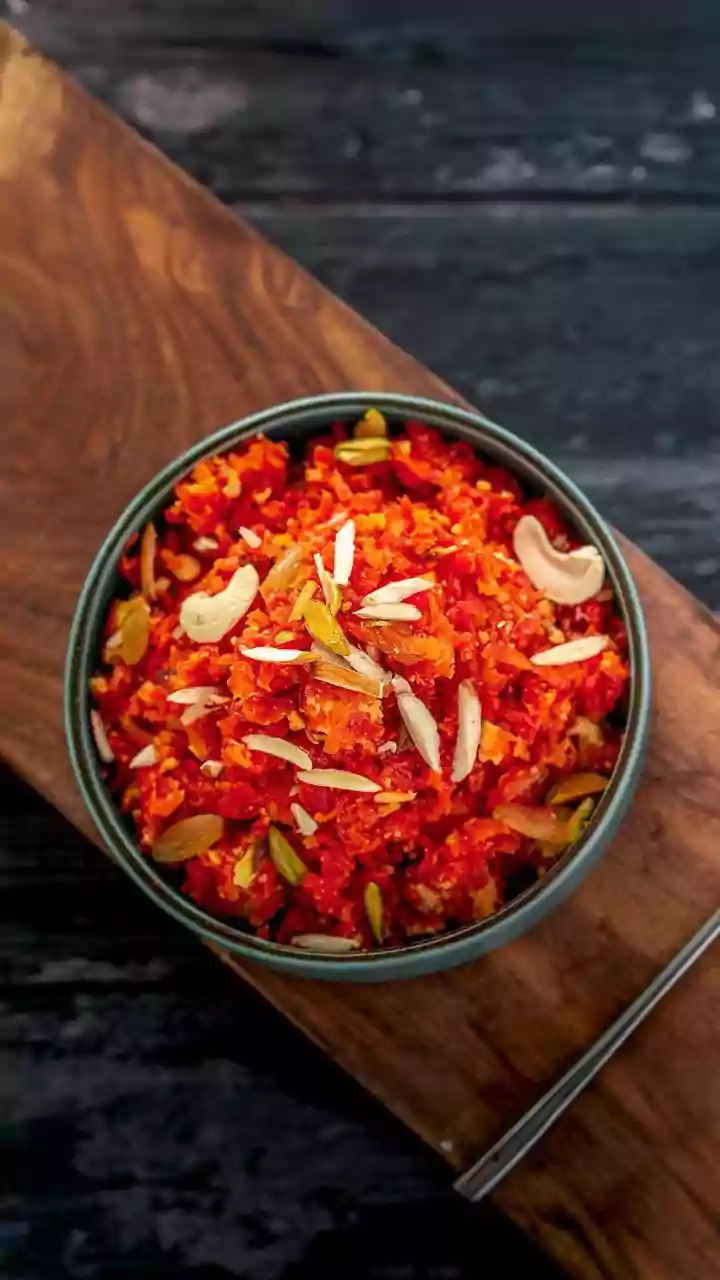
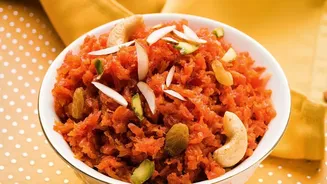
While Aloo Halwa is a fantastic option, it's not the only grain-free dessert suitable for Sawan. The vrat-friendly sweet menu is rich with creative options. Sabudana Kheer, a creamy pudding made from tapioca pearls, milk, and sugar, is a classic choice across India. Makhana Kheer, made with roasted fox nuts, offers a different texture and is packed with nutrients. You can also explore fruit-based desserts, like a simple fruit salad with a sprinkle of rock salt, or sweets made from other permitted vegetables, such as Lauki Halwa (bottle gourd halwa). For those who enjoy ladoos, versions made with coconut and jaggery or rajgira (amaranth) flour are also popular and perfectly acceptable during fasting.