





A Continental Comeback
Just a few decades ago, wolf populations in Europe were decimated, surviving only in isolated pockets. Today, thanks to legal protections, habitat restoration, and a greater understanding of their ecological role, their numbers are surging. Recent studies
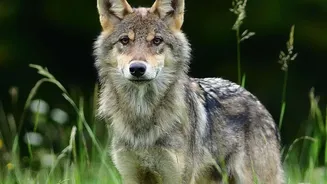
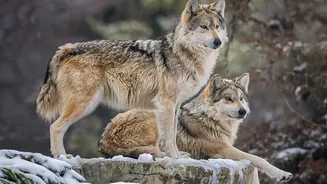
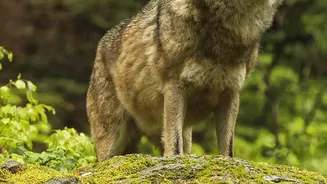
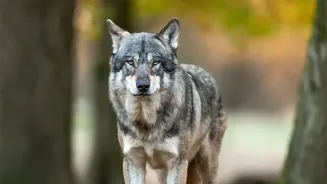
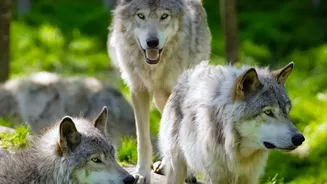
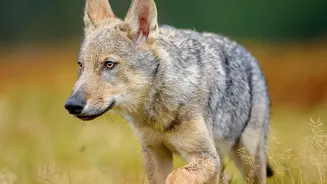
show the European wolf population has grown significantly, with estimates reaching over 21,500 individuals. This conservation success story means wolves are now found in nearly every mainland European country, repopulating landscapes from which they were absent for centuries. This recovery has been hailed as a triumph for rewilding efforts, demonstrating that even in a human-dominated continent, there is space for large carnivores to return.
From Fear to Fascination
The wolf’s return is not just an ecological victory; it marks a significant cultural shift. For centuries, the wolf was a figure of fear, persecuted as a threat to livestock and people. While conflicts still exist, particularly for farmers who can suffer livestock losses, a new perspective is emerging. The wolf is increasingly seen as a symbol of wildness and a key part of a healthy ecosystem. This change in perception is fuelling a new tourism economy. Communities are discovering that a live wolf can be a powerful economic asset, attracting international visitors and creating a financial incentive for conservation. This burgeoning industry turns the predator from a perceived liability into a source of local pride and income.
Where the Wild Things Are
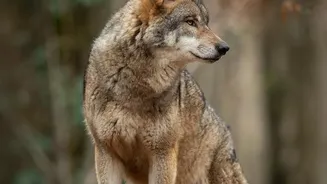
Several regions have become hotspots for this new wave of wildlife tourism. In Spain, the Sierra de la Culebra and the Riaño Mountains offer some of the best opportunities to spot the Iberian wolf, with established tour operators leading expeditions. Italy's Abruzzo National Park is another prime destination, where wolves thrive in the rugged Apennine mountains alongside bears and chamois. Further east, the vast Carpathian Mountains in Romania and the primeval Białowieża Forest in Poland provide wild, immersive tracking experiences in landscapes that are also home to lynx and brown bears. These destinations offer a glimpse into some of Europe's most spectacular and untamed natural areas.
What to Expect on a Tour
A wolf-watching trip is an exercise in patience and a deep dive into nature, not a guaranteed sighting. Wolves are famously elusive and shy of humans. Tours are typically led by expert guides who focus on education and tracking. Expect early mornings, long hours spent scanning hillsides with binoculars, and lessons in identifying tracks, scat, and other signs of wolf presence. The thrill is in the chase and the understanding of the animal's habitat. While a direct sighting is a rare and profound reward, the experience is about immersing oneself in the wilderness the wolf inhabits. Hearing a distant howl at dusk can be just as memorable as a fleeting glimpse. Responsible tour operators emphasize minimal disturbance, ensuring the wolves' well-being comes first.
A Howl for the Future
The rise of wolf tourism is more than just a travel trend; it's a promising model for coexistence. By creating economic benefits for the rural communities that live alongside these predators, tourism helps offset the costs and conflicts associated with their return. This model, proven successful with wolf reintroduction in places like Yellowstone National Park, shows that conservation and local economies can support each other. As more travellers seek authentic, nature-based experiences, the demand for responsible wildlife watching is likely to grow, providing further support for the protection of Europe's magnificent and wild natural heritage.