







In our modern world, sitting for long hours is unavoidable for many. But this constant state of rest can make your hips, back, and shoulders feel tight and sore. Understanding why this happens is the first step to feeling better.
The Anatomy of a Slouch
When you sit for extended
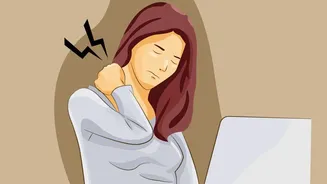
periods, your body adapts to the position, but not in a good way. Your hip flexor muscles, which connect your legs to your torso, shorten and become tight. This can pull on your lower back, contributing to that familiar ache. Meanwhile, your glute muscles, which should be supporting you, can effectively ‘go to sleep’ from lack of use. This combination forces your spine to compensate, often leading to a slumped posture where your back rounds and your shoulders hunch forward. This rounded shoulder position can strain your neck and upper back muscles, completing the trifecta of stiffness that many desk workers experience.
Your First Defence: An Ergonomic Workspace
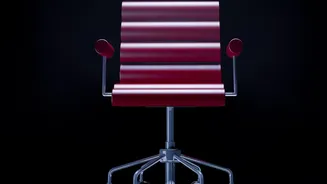
Before you even think about stretching, take a look at your setup. A few small adjustments can make a world of difference. Adjust your chair so your feet are flat on the floor with your knees bent at a comfortable 90-degree angle. Your lower back should be supported by the chair's lumbar support; if it isn't, a small pillow or rolled-up towel can work wonders. Your screen should be positioned so the top of it is at or slightly below eye level, preventing you from craning your neck. Finally, make sure your keyboard and mouse are close enough that your elbows can stay near your body, also at a roughly 90-degree angle, allowing your shoulders to relax.
Movement is the Best Medicine
Even the perfect chair can't defeat biology. The human body is designed to move. The simplest rule is to take a movement break at least once every hour, though every 30 minutes is even better. You don’t need a full workout. Simple desk-side stretches can release tension and get blood flowing. Try a seated spinal twist by gently rotating your torso, or a cat-cow stretch by arching and rounding your back while seated. For your hips, a figure-four stretch (crossing one ankle over the opposite knee and leaning forward) is excellent. To counteract hunched shoulders, try squeezing your shoulder blades together or doing a chest-opening stretch in a doorway.
Building a Stronger Foundation
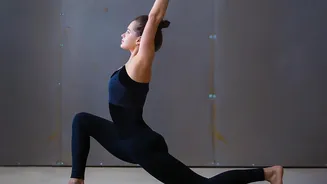
While stretching provides immediate relief, building strength is the long-term solution. The goal is to strengthen the muscles that become weak from sitting. This includes your glutes, core, and upper back. Simple exercises like squats, planks, and rows, performed a few times a week, can create a stronger support system for your spine and improve your default posture. Think of it as training your body to resist the slouch. A standing hip flexor stretch, like a shallow lunge, is also crucial to counteract the shortening that happens when you sit. These activities help build a more resilient frame that is less susceptible to the strains of a sedentary day.
When Self-Care Reaches Its Limit
Movement, stretching, and ergonomic adjustments can solve many common aches. However, it's vital to recognise when you need professional help. If your pain is persistent and lasts for more than a few weeks despite your best efforts, it's time to see a doctor or a physiotherapist. Red flags that require immediate attention include pain that radiates down your leg, numbness or weakness, or pain that is severe and constant. These could be signs of issues like a herniated disc or nerve compression that self-care won't fix. An individual assessment is crucial for a proper diagnosis and a targeted treatment plan.