






The night sky is no longer just for astronomers and poets. A revolution in rocket technology has dramatically lowered the cost of reaching orbit, transforming space into a bustling commercial frontier filled with new business and career opportunities.
What is the Rocket Revolution?
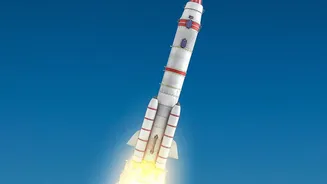
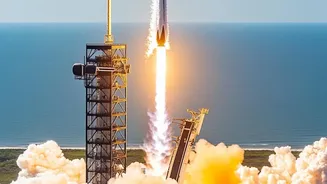
For decades, space was the exclusive domain of national governments. Rockets were expensive, single-use machines built for specific missions, making access to space infrequent and incredibly costly. That model has been completely upended. The 'Rocket Revolution' refers to this rapid shift, driven primarily by private companies pioneering reusable rocket technology. By designing and mastering the ability to land and reuse first-stage boosters—the most expensive part of the rocket—companies have slashed the cost of launching payloads into orbit. This has turned space access from a rare national event into a more frequent and competitive commercial service available to a wider range of customers, including companies, universities, and startups.
The New Commercial Frontier
Lower launch costs have unlocked a wave of commercial activities that were once science fiction. The most visible of these is the deployment of vast satellite constellations to provide global internet services. Beyond connectivity, opportunities are exploding in Earth observation, where satellites monitor everything from agricultural health and climate change to disaster response. Space tourism is now a reality, with companies offering flights to the edge of space and beyond. Looking further ahead, this revolution lays the groundwork for more ambitious ventures, including in-orbit manufacturing, advanced microgravity research, and even the future prospect of resource extraction from asteroids. The global space economy reached a record value in recent years and is projected to grow into a trillion-dollar industry, fueled by this commercial boom.
India’s Moment in the Cosmos
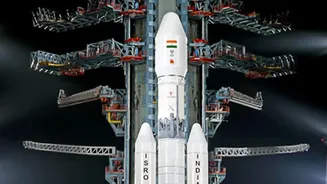
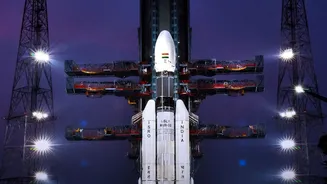
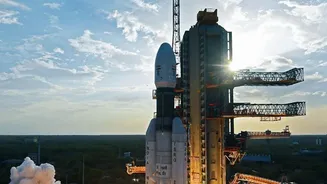
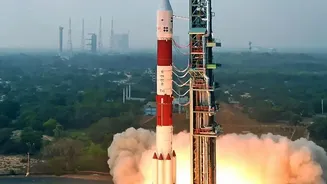
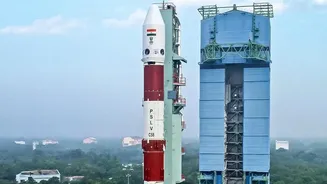
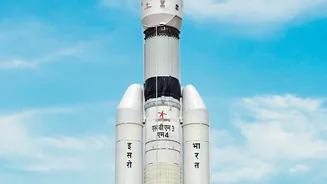
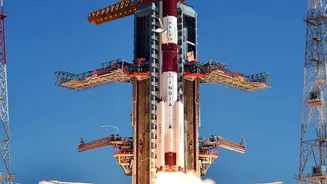
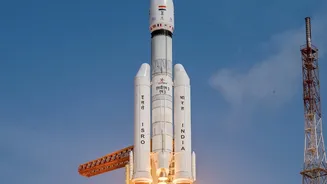
This global transformation is creating unprecedented opportunities for India. The Indian government has strategically opened the sector, encouraging private participation to increase the nation's share of the global space economy from its current 2-3% to a projected 8-10%. The Indian Space Research Organisation (ISRO) is transitioning its role, focusing more on advanced research and development while transferring the manufacturing of its workhorse rockets like the PSLV and SSLV to private industry consortia. This shift is nurtured by IN-SPACe, a government body created to authorise and facilitate private space activities. The result has been an explosion of innovation, with over 400 space-tech startups now active in India, working on everything from building rockets to designing satellites and analysing data. Companies like Skyroot Aerospace and Agnikul Cosmos are developing their own launch vehicles, marking a new era for homegrown commercial spaceflight.
Launching a Career in Space
This burgeoning industry has created a surge in demand for skilled professionals, particularly engineers. While aerospace engineering remains a core discipline for designing rockets and spacecraft, the needs are much broader. Mechanical engineers are vital for designing engines and structures, while electronics and avionics engineers develop the critical guidance, navigation, and communication systems. Perhaps the fastest-growing area is in software engineering, as modern spacecraft rely heavily on complex flight software, autonomous systems, and AI-driven mission planning. Expertise in propulsion systems, orbital mechanics, robotics, and embedded systems are highly sought after by both established aerospace firms and the new wave of startups.
More Than Just Rocket Science
The career opportunities extend well beyond traditional engineering. As the private space ecosystem matures, it requires a diverse range of talent to thrive. One of the largest growth areas is in satellite data analysis, where specialists use imagery to provide insights for agriculture, finance, and urban planning. Mission operations specialists are needed to manage spacecraft from the ground. Furthermore, the industry requires professionals in project management, supply chain logistics, space law and policy, and finance to support these complex, capital-intensive ventures. The growth of hundreds of startups means there are also roles in business development, marketing, and human resources, making the space sector accessible to a wider pool of talent than ever before.