


The Power of Pink Contrast
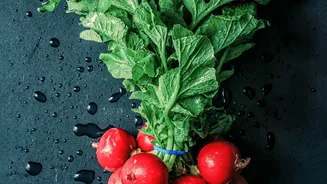
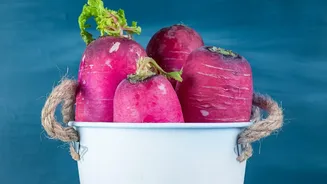
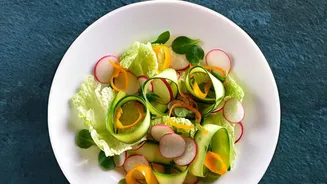
Often relegated to the side of a salad, the pink radish is a culinary powerhouse in disguise. Its primary gift to a dish is contrast. This isn't just about color, though its vibrant pink skin and crisp white flesh are visually stunning against darker,
cooked foods. The real magic lies in its texture and flavor. A fresh, raw radish delivers a satisfyingly sharp crunch and a distinct peppery bite. This peppery quality comes from the same enzymes found in mustard and horseradish. When paired with a soft, savoury, or fatty dish, this creates a delightful opposition. The crispness cuts through heavy textures, while the mild heat cleanses the palate, making each mouthful feel as balanced and interesting as the first.
Beyond the Salad Bowl
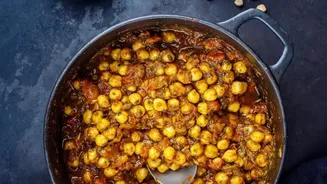
For too long, the radish has been typecast as a raw vegetable best suited for salads or relish trays. While delicious in those roles, its potential is far greater. When you introduce raw pink radish as a finishing element to cooked food, you unlock a new layer of culinary creativity. Think of it not as an ingredient that gets cooked down, but as a final flourish, a garnish with purpose. Sautéing or roasting radishes mellows their spicy flavor and turns them sweet and juicy, which is another excellent way to prepare them. However, for maximum contrast, using them fresh is key. The goal is to preserve that signature crunch and zesty flavor that can get lost when heat is applied.
Perfect Pairings for Maximum Impact
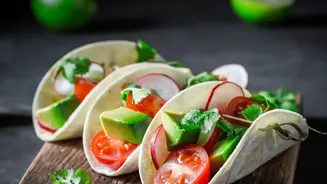
So, where does the pink radish shine brightest? The possibilities are surprisingly vast. Imagine thinly sliced radishes scattered over street-style tacos; their crispness is a perfect foil for seasoned meat and soft tortillas. They are a classic addition to lentil salads, providing a crunchy counterpoint to the earthy legumes. A rich, creamy risotto or a hearty beef stew can be instantly brightened by a handful of finely diced radish on top. Even a simple piece of grilled steak or a roasted slab of bacon can be elevated, with the radish's peppery notes cutting through the richness. They also work beautifully with Asian-inspired dishes, adding a fresh, crunchy element to stir-fries or noodle bowls just before serving.
Simple Preparations for a Finishing Touch
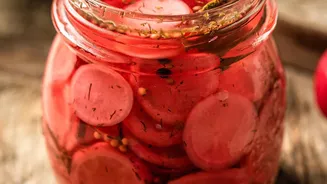
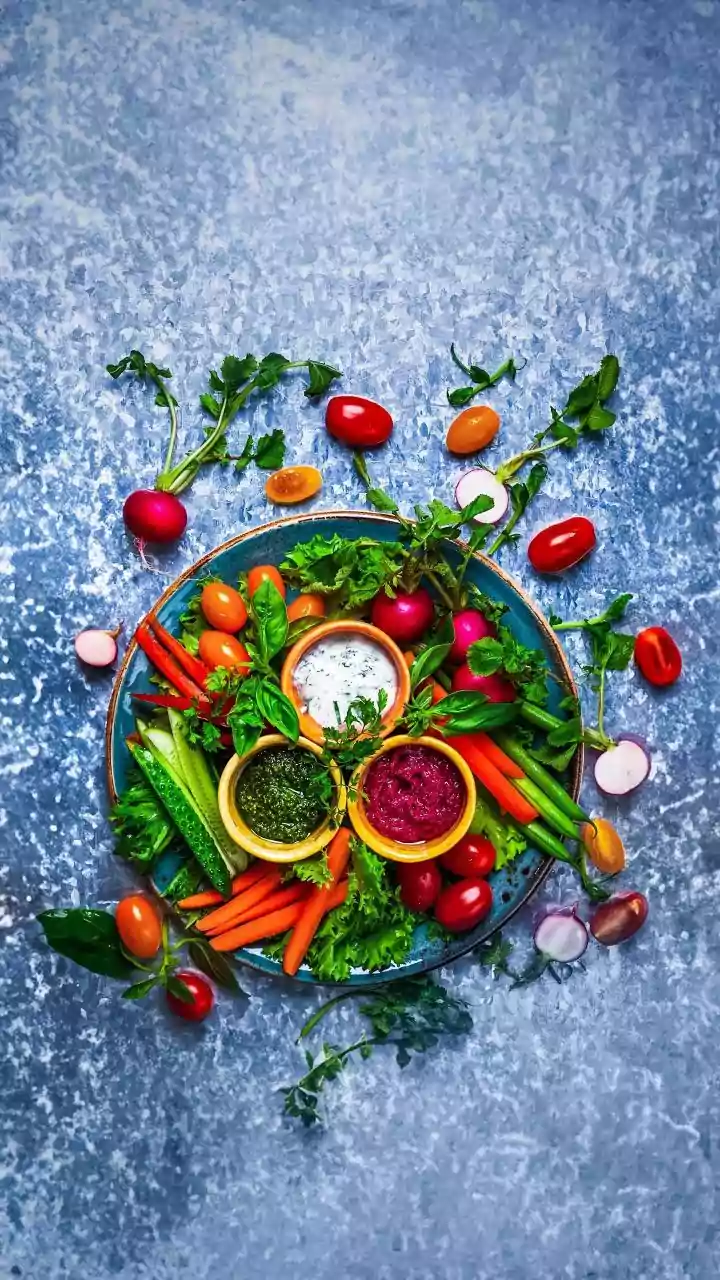
You don't need complicated techniques to prepare radishes for this role. The simplest method is often the best: just wash, trim, and slice them thinly. A mandoline can help create paper-thin, consistent slices that drape beautifully over a dish. For a different texture, you can dice them into small, confetti-like cubes or cut them into fine matchsticks (julienne). If you find their peppery flavor a little too intense, a quick pickle can temper the heat while maintaining the crunch. A simple brine of vinegar, water, sugar, and salt is all you need. These quick-pickled radishes are fantastic on sandwiches, grain bowls, and burgers, offering a tangy, crisp bite.
More Than Just a Pretty Garnish
While we celebrate its culinary virtues, it's worth noting that the pink radish is also a nutritional asset. Radishes are low in calories but high in fiber, vitamin C, and potassium. They belong to the cruciferous vegetable family, alongside broccoli and kale, and contain beneficial compounds. The vibrant color of pink and red radishes comes from anthocyanins, the same antioxidants found in berries. So, that final flourish not only adds flavor and texture but also a quiet boost of nutrients to your meal.