


The Ultimate Wildlife Quest
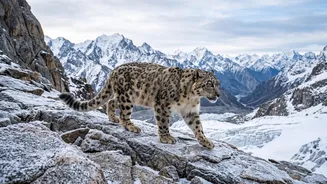
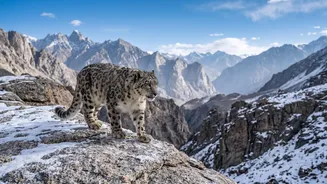
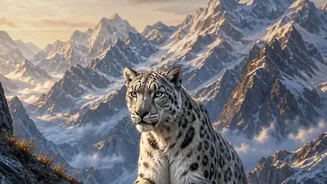
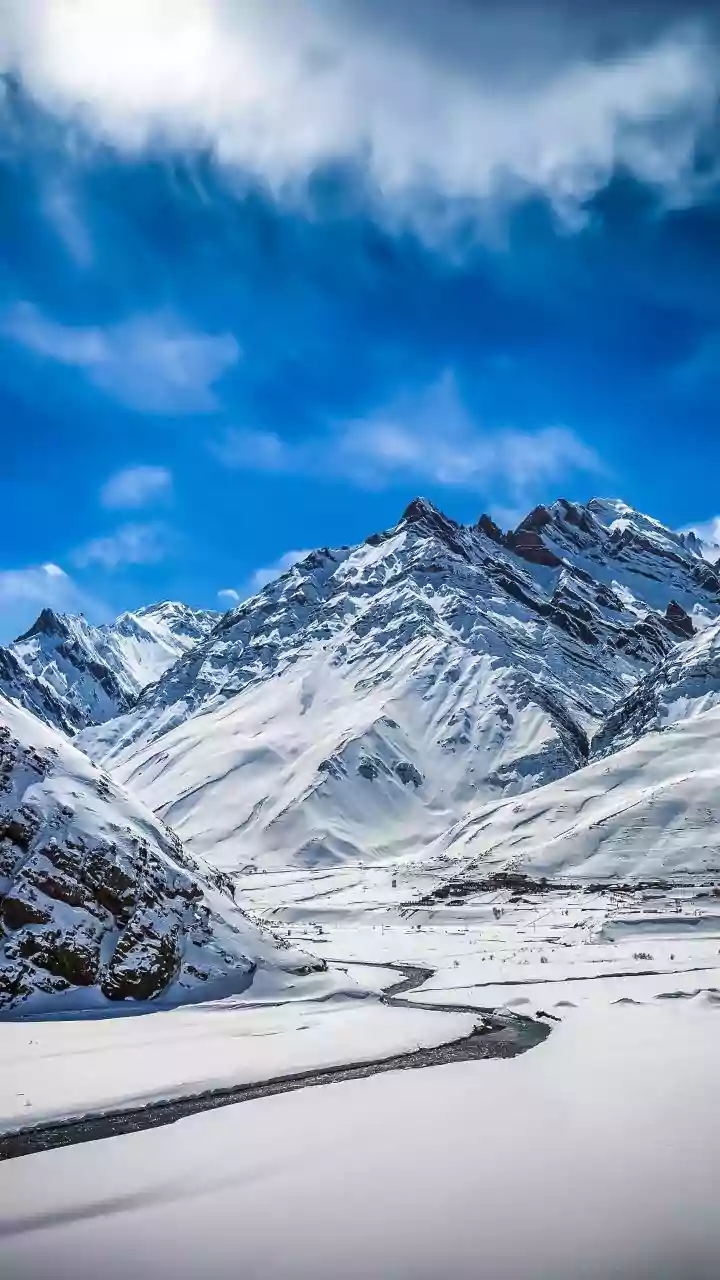
Known for their stunning camouflage and solitary nature, snow leopards thrive in the high, rugged mountains of Central Asia. Ladakh is arguably the best place in the world to see them, earning it the title 'Snow Leopard Capital of the World'. Spotting
one requires patience, expert guidance, and a bit of luck, as these cats blend seamlessly into the rocky, snow-dusted landscape. The journey takes you into a world of breathtaking alpine desert scenery, frozen rivers, and profound silence, making the final sighting an unparalleled reward for the dedicated wildlife enthusiast.
Planning Your Expedition
The prime season for a snow leopard safari is during the harsh winter months, from November to March. During this time, their primary prey, like the bharal (blue sheep) and ibex, move to lower altitudes in search of food, and the snow leopards follow them down. This seasonal migration makes the elusive cats more accessible to trackers. The epicentres for this activity are Hemis National Park, India's largest national park, and the Ulley Valley. Choosing a reputable, local tour operator is crucial. They not only have the expertise but also work in tandem with local communities, ensuring your tourism money directly supports conservation.
The Threat of Illegal Off-Roading
While ecotourism provides a sustainable path, Ladakh's growing popularity has a dark side: illegal off-roading. In recent years, there has been a surge in tourists driving vehicles off designated roads and into ecologically sensitive areas, including the shores of pristine lakes like Pangong Tso and protected wildlife habitats. These actions cause irreversible damage to the fragile ecosystem, disturb wildlife, pollute water sources, and destroy vegetation. Vehicles have been filmed chasing endangered animals and driving through streams, leading to significant habitat destruction. In response, the Ladakh administration has started imposing heavy fines on violators, stressing that irresponsible tourism will not be tolerated.
How Your Safari Makes a Difference
This is where a structured snow leopard safari becomes a powerful force for good. Reputable safari operators are mandated to stick to established routes, minimizing environmental impact. More importantly, they have transformed the local economy and attitudes towards conservation. By employing villagers as expert trackers, guides, and hosts for homestays, the safari industry provides a direct economic incentive for protecting snow leopards. Communities that once saw the cats as a threat to their livestock now view them as a valuable asset worth more alive than dead. A portion of the safari and homestay income often goes into a village conservation fund, which is used for projects like building predator-proof livestock corrals, running anti-poaching patrols, and supporting local handicraft initiatives that provide alternative livelihoods.
What to Expect on the Ground
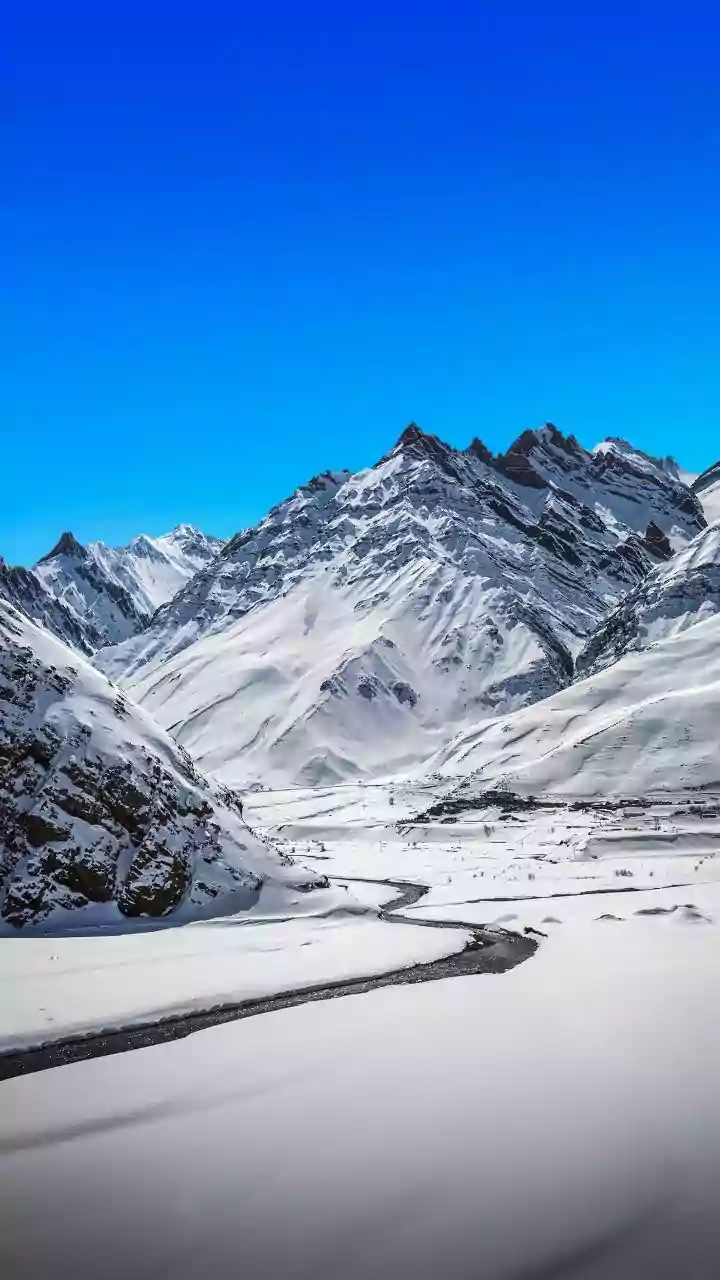
A snow leopard expedition is not a luxury holiday. It involves spending long hours in extreme cold, with temperatures often dropping well below freezing. You will need to acclimatise to the high altitude (often above 12,000 feet) in Leh for a few days before heading into the mountains. Days are spent with local trackers, using spotting scopes to scan vast mountainsides for any sign of movement. Accommodation ranges from basic but warm homestays, offering an incredible cultural immersion, to tented camps equipped for winter conditions. It is a strenuous but deeply rewarding adventure that combines the raw beauty of the Himalayas with a unique cultural and conservation experience.