








A Planet's Fever Chart
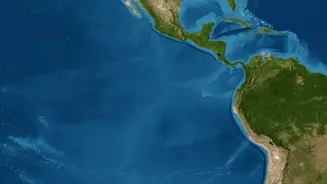
On August 22, 2026, the European Union's Copernicus Climate Change Service confirmed the alarming new record for the daily global average sea surface temperature. The measurement, which covers the global ocean between 60 degrees south and 60 degrees north,
surpassed the previous high set just months earlier in March 2024. What makes this record particularly concerning for scientists is its timing. Typically, oceans reach their peak warmth in March, following the Southern Hemisphere's summer. Setting a new record in August suggests an unprecedented accumulation of heat in the climate system, a clear and undeniable symptom of long-term, human-driven warming. This is more than a fleeting anomaly; it's consistent with a trend that has seen ocean heat records broken year after year.
The Science Behind the Spike
Two primary factors are driving this intense ocean heating: persistent global warming and the influence of a strengthening El Niño event. For decades, the oceans have acted as the planet's primary heat sink, absorbing over 90% of the excess energy trapped by greenhouse gas emissions. This has buffered the atmosphere from even more rapid temperature increases but has come at the cost of steadily warming the seas. Layered on top of this long-term trend is the current El Niño, a natural climate pattern characterized by warmer-than-average sea surface temperatures in the tropical Pacific. While El Niño is a natural cycle, it is now occurring in a world that is already significantly warmer. Scientists describe it as adding fuel to an existing fire, pushing already high temperatures into uncharted territory.
From Heatwaves to Hurricanes
The consequences of this excess ocean heat are profound and far-reaching. Warmer water expands, contributing directly to sea-level rise and increasing flood risks for coastal communities worldwide. It also fuels more powerful and destructive weather systems. The heat and moisture released from a warmer ocean surface act as super-fuel for storms, leading to more intense hurricanes, typhoons, and heavier rainfall events. Beneath the waves, the impact is just as devastating. The frequency of marine heatwaves—prolonged periods of extreme warmth—has more than tripled since the 1990s. These events trigger mass coral bleaching, destroy critical habitats like kelp forests, and cause mass die-offs of fish and other marine life, threatening the stability of entire ecosystems and the livelihoods that depend on them.
The Ripple Effect on India
For India, the warming of the surrounding oceans is not a distant problem. The Indian Ocean is warming faster than any other tropical ocean basin, a trend that directly impacts the subcontinent's climate and water security. Research has established a close link between marine heatwaves in the Indian Ocean and the behavior of the monsoon. A warmer ocean can alter atmospheric circulation, leading to a reduction in rainfall over central India while enhancing it over the southern peninsula, creating unpredictable patterns of drought and floods. The development of a strong El Niño, intensified by background warming, is already linked to a weaker monsoon. This disrupts agriculture, strains water resources, and affects the economy, demonstrating how a global temperature record has very local and tangible consequences for millions.