








An End to the Unpacking Ritual
Dubai International Airport (DXB) is in the process of rolling out a new generation of advanced security scanners designed to make the passenger journey faster and less intrusive. According to statements from Dubai Airports CEO Paul Griffiths, the airport
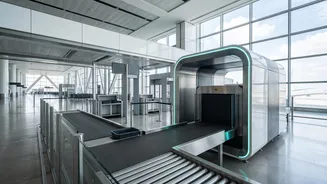
is investing heavily in new technology that will eventually eliminate the need for travellers to remove large electronics and liquids from their hand luggage during security screening. This upgrade targets one of the most common pain points in modern air travel, promising a future where security checks are a smoother, quicker, and more convenient experience for the millions of passengers who use the airport every year.
How the New Technology Works
The magic behind this streamlined process lies in Computed Tomography (CT) scanning technology. Similar to the CT scanners used in the medical field, these airport security machines create a detailed, rotatable 3D image of the contents of a passenger's bag. This high-resolution imaging allows security personnel and advanced algorithms to inspect the bag's contents thoroughly at a molecular level, without needing items to be separated into different trays. The system can effectively differentiate between benign materials and potential threats with a much higher degree of accuracy than traditional 2D X-ray scanners. This not only speeds up the process but also enhances security by providing a clearer and more detailed view.
The Gradual Rollout Plan
This change will not happen overnight. The new scanners are being introduced as part of a “gradual, ongoing programme of continuous upgrade,” according to airport officials. The project, which involves replacing all older screening equipment across all three terminals, is already underway. While some reports suggest a target for completion by the end of 2026, the key takeaway for travellers is that the transition is phased. This means that for the time being, passengers may encounter either the new, seamless lanes or the traditional ones where unpacking is still required. The ultimate goal is to have the new technology operational at every security point in the airport, ensuring a consistent and improved experience for all.
What This Means for Your Next Trip
So, what should you do on your next trip through Dubai? The best advice is to remain prepared and observant. Until the rollout is fully complete, travellers should pack as they normally would, keeping laptops and tablets easily accessible. Most importantly, listen carefully to the instructions provided by security staff at the checkpoint. If you are in a lane with the new scanners, you will likely be told you can leave everything in your bag. If you are in a lane with older equipment, you will need to follow the familiar procedure of placing electronics and liquids in a separate tray. It is also crucial to remember that the 100ml liquid rule has not been officially abolished. Even though the new scanners can see inside your bags, airline and airport regulations on liquid volumes still apply until formally changed.
Dubai Joins a Global Tech Trend
Dubai's move is part of a global shift in aviation security. Major airports around the world, including those in the UK, Europe, and the United States, are also in the process of implementing CT scanning technology at their security checkpoints. The contract for Dubai's upgrade was awarded to technology firm Smiths Detection in May 2025, highlighting a long-term strategic plan to modernise infrastructure and handle growing passenger numbers more efficiently. By adopting this technology, DXB not only enhances its own operational efficiency but also aligns with a new international standard that prioritises both robust security and a more passenger-friendly travel experience.