


The Old Journey
The classic tourist trail in Rajasthan was often a matter of compromise. A visit to Jaipur, the Pink City, was a must. So was a safari in Ranthambore National Park in hopes of spotting a tiger. But connecting the two involved a road journey of around
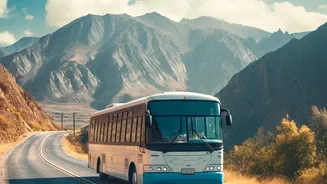
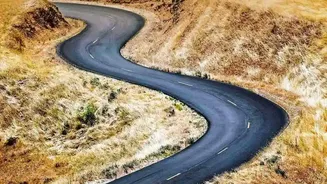
180-190 kilometres that could easily stretch to four hours or more. The route, a mix of state highways and other roads, could be unpredictable, with varying conditions and local traffic making for a tiring and time-consuming drive. This travel time often acted as a deterrent, forcing tourists on tighter schedules to pick one destination over the other, or to rely on the limited train connectivity to Sawai Madhopur, the nearest station to Ranthambore. This logistical hurdle effectively kept Ranthambore slightly outside the easy reach of a standard Golden Triangle (Delhi-Agra-Jaipur) itinerary.
A New Expressway Lifeline
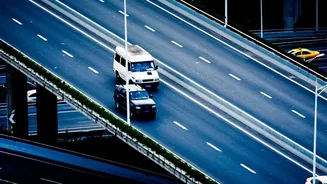
The game-changer has been the development of the Delhi-Mumbai Expressway, a massive infrastructure project transforming connectivity across western and northern India. A key section of this expressway, from Delhi to Dausa and Lalsot, has drastically improved access into the heart of Rajasthan. Crucially, this new road provides a high-speed, access-controlled link that significantly slashes travel times. From Jaipur, travellers can now connect to this modern highway, turning the arduous four-hour drive to the Ranthambore region into a much smoother and faster affair. What was once a journey measured in patience is now a comfortable drive, making same-day trips more feasible and weekend getaways far more attractive. This improved connectivity is a direct result of a national push to expand and upgrade India's highway network, which has grown by 60% since 2014.
From Triangle to Tangent
This newfound ease of travel is doing more than just saving a few hours; it's fundamentally altering tourist behaviour and building wider travel circuits. The traditional Golden Triangle is no longer a closed loop. Now, Ranthambore is becoming a natural extension, a tangent that tourists can easily add to their itinerary. Officials have noted that the expressway will provide a huge benefit to tourism spots like Ranthambore, Sariska, and Keoladeo National Park, drawing more visitors from major hubs like Delhi and Jaipur. Travel and tour operators are already packaging 'Golden Triangle with Ranthambore' tours, a combination that was previously more challenging to market due to the travel time involved. This allows tourists to combine the cultural heritage of Jaipur with the wildlife adventure of Ranthambore in a single, seamless trip.
The Economic Ripple Effect
Better roads bring more than just tourists; they bring economic opportunity. The improved accessibility is a catalyst for growth along the entire corridor. Local businesses, from hotels and guesthouses in Sawai Madhopur to restaurants and souvenir shops, are poised to benefit from the increased footfall. The expressway itself is being developed with tourism in mind, with plans for 'Grameen Haats' or rural markets at various points to help local farmers and artisans sell their products directly to travellers. This infrastructure push stimulates investment, encourages the development of new hospitality projects, and creates direct and indirect jobs, boosting the local economy. As one hospitality expert noted, better roadways and express highways have significantly enhanced accessibility, positioning Rajasthan to become the tourism capital of India.
Building the Circuits of the Future
The Jaipur-Ranthambore story is a powerful example of a wider national trend. Across India, new highways are acting as arteries of growth, connecting previously isolated or hard-to-reach destinations and allowing for the creation of new, diversified tourist circuits. The Rajasthan government is already looking at developing new circuits to promote desert, tribal, and religious tourism, moving beyond just forts and palaces. The success of connecting major hubs like Jaipur to wildlife sanctuaries like Ranthambore serves as a blueprint. It demonstrates that strategic investment in road infrastructure does not just move vehicles faster; it redraws maps, creates opportunities, and helps a wider range of destinations share in the benefits of India's booming tourism sector.