





The Discomfort of the Desk
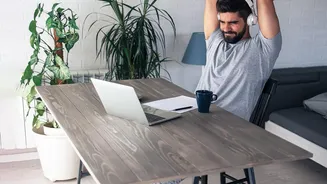
Sitting for prolonged periods, a reality for millions of office workers, takes a significant toll on the body. It may seem harmless, but this sustained lack of motion can lead to a cascade of physical issues. When you remain seated, your hip flexors shorten
and tighten, your gluteal muscles can weaken, and poor posture often follows, with shoulders rounding forward and your neck straining. This static position puts pressure on the discs and joints in your spine, reduces circulation, and can lead to chronic stiffness and pain in the lower back, hips, and neck. Over time, this inactivity can contribute to weakened muscles and reduced joint lubrication, making even simple movements feel uncomfortable.
Movement as a Remedy
When faced with stiffness, the instinct might be to rest, but experts suggest the opposite is often more beneficial. Gentle, consistent movement is key. The idea isn't to jump into an intense workout, but to gently reintroduce motion to joints and muscles that have become stiff. Movement helps to stimulate the production of synovial fluid, which lubricates your joints, much like oil in an engine. It also improves blood flow, delivering vital oxygen and nutrients to tissues. By strengthening the muscles that surround your joints, you provide better support, taking pressure off areas like your knees and spine. Even small, regular movements throughout the day can break the cycle of inactivity and begin to reverse its effects.
Your Desk-Side Yoga Practice
You don't need a yoga mat or a full hour to reap the benefits of yoga. A few simple, discreet poses can be done right from your office chair to release tension and improve flexibility. Start with a Seated Spinal Twist: sit tall at the edge of your chair, feet flat on the floor. Gently twist your torso to one side, placing your opposite hand on your thigh for a light leverage. Hold for a few breaths and repeat on the other side. For your back and shoulders, try a Seated Cat-Cow. With hands on your knees, inhale to arch your back and look up, then exhale to round your spine and drop your chin to your chest. Finally, release your neck with gentle rolls, slowly bringing your ear toward your shoulder, holding briefly, and repeating on the other side.
Beyond Yoga: More Gentle Movements
A holistic approach to combating stiffness includes a variety of movements. Shoulder rolls are excellent for releasing tension in the upper back; simply lift your shoulders toward your ears, then roll them backward and down. Don't forget your wrists and fingers, which can get strained from typing. Extend your arms and gently flex your wrists up and down, then spread your fingers wide and close them into a fist. Seated leg lifts, where you extend one leg straight out and hold for a few seconds, can improve circulation in your lower body. The most important thing is to take frequent micro-breaks. Stand up, walk to the water cooler, or simply stretch your arms overhead every 30 to 60 minutes.
Building a Healthy Habit
The key to lasting relief is consistency. Integrating these gentle movements into your daily routine is more effective than sporadic, intense efforts. Try 'habit stacking' by linking a stretch to an existing part of your day, such as doing neck rolls every time you finish a phone call. Set a recurring alarm on your phone or computer as a simple reminder to stand up and move. Listen to your body; it will often send signals like stiffness or discomfort as a prompt to change positions. The goal is not perfection but progress. By starting with just a few minutes of mindful movement each day, you can build a sustainable habit that keeps your body feeling more comfortable and resilient against the demands of a desk job.