




A Taste of Tradition
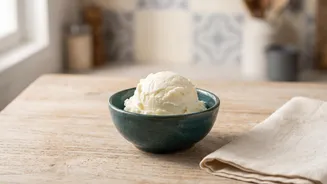
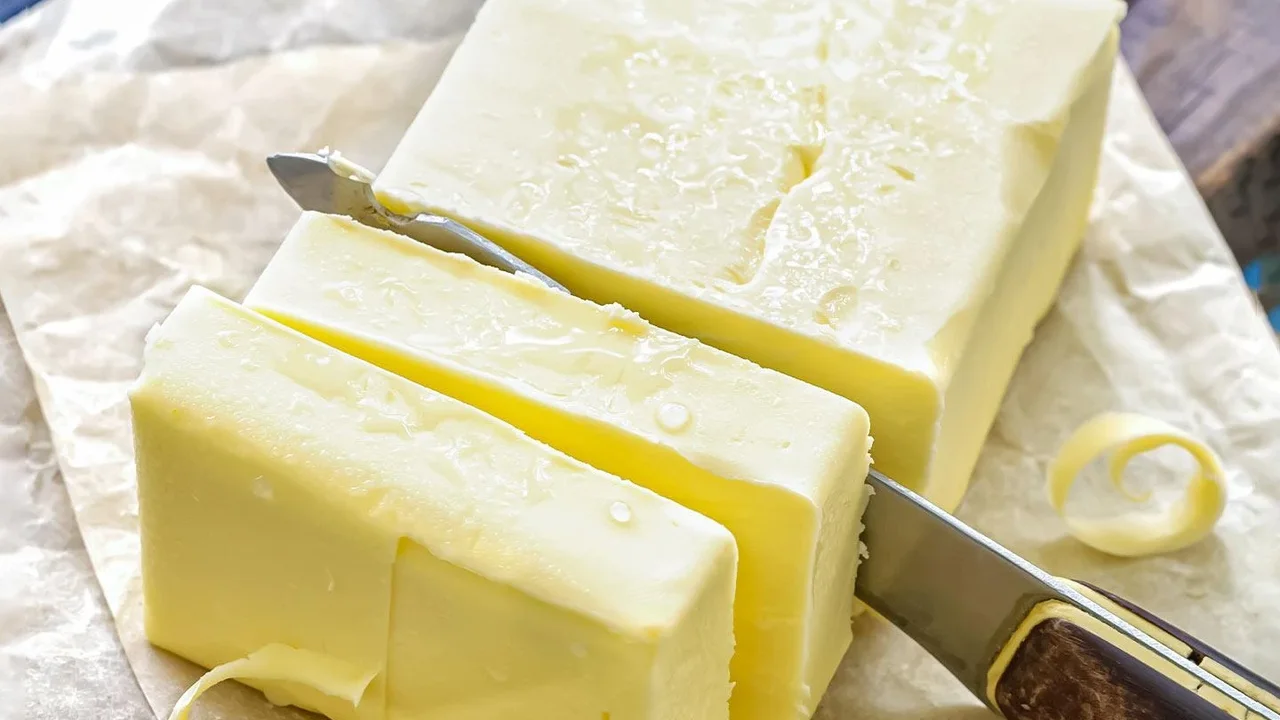
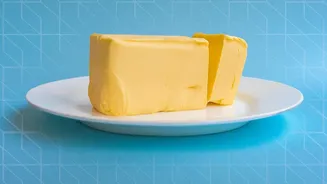
Long before foil-wrapped yellow blocks filled refrigerator doors, Indian kitchens ran on homemade white butter. Known as 'safed makkhan' in the North, 'loni' in Maharashtra, or 'benne' in Karnataka, this fresh, unsalted fat was a cornerstone of daily
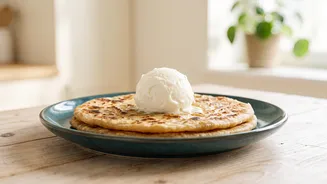
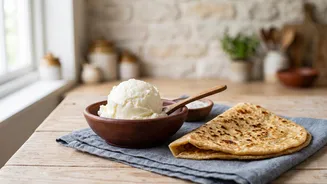
life. The process itself is a ritual steeped in patience: collecting the thick cream, or malai, from boiled milk over several days, storing it carefully, and then churning it until glorious blobs of butter separate from the buttermilk. This butter isn't just food; it's an emblem of domestic generosity, the dollop melting over a hot paratha, or the enriching touch to a hearty dal. Its pure, slightly tangy flavour and light texture are a world away from its commercial, salted counterparts, offering a taste that is both unprocessed and deeply comforting.
The Divine Butter Thief
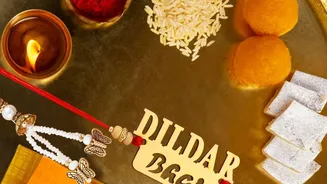
The story of white butter is incomplete without mentioning its most famous connoisseur: Lord Krishna. Fondly known as 'Makhan Chor' or the butter thief, his childhood antics in Vrindavan often revolved around stealing freshly churned butter from the homes of the gopis (milkmaids). These tales, passed down through generations, are more than just stories of mischief. The gopis would prepare their best butter, hoping Krishna would choose their homes for his playful raids, seeing it as a divine blessing. Krishna would share the stolen treat with his friends and even the monkeys, a lesson in selfless sharing. This divine connection makes white butter an essential offering, or prasad, during festivals like Janmashtami, celebrating Krishna's birth and his eternal love for makkhan.
What You Will Need
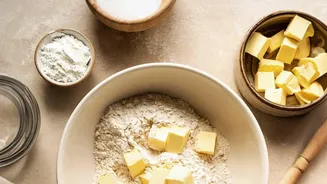
Making your own white butter is surprisingly simple and requires minimal ingredients. The magic lies in the process, not a complicated list. The primary ingredient is full-fat cream, known as malai in Hindi. For about a cup of butter, you will need to collect malai from full-fat milk over the course of a week or so. Simply boil the milk, let it cool completely, and then skim off the thick layer of cream that forms on top. Store this cream in an airtight container in the freezer. When you have collected about three-quarters of a cup or more, you're ready to start. The only other things you'll need are a bowl, a blender (hand or stand mixer), ice cubes, and some chilled water. The cold temperature is key to helping the butterfat separate easily from the buttermilk.
Step-by-Step: The Churning
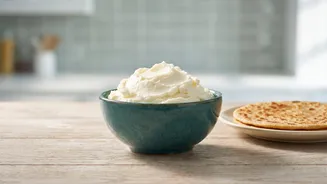
Once you have enough malai, transfer it to a large bowl. If it was frozen, allow it to thaw first. Add a handful of ice cubes to the cream. Begin to blend the mixture using a hand blender or a stand mixer on a medium speed. Initially, the cream will become smooth and resemble whipped cream. Keep going. After a few minutes, you'll notice the texture changing; it will start to look grainy and curdled. This is the sign you're on the right track. Suddenly, you will see pale yellow clumps of butterfat begin to separate from a thin, watery liquid, which is the buttermilk. This separation can happen quite quickly, so keep a close eye on it. The solid clumps are your fresh, homemade white butter.
Washing and Storing Your Butter
This final step is crucial for the butter's shelf life. Once the butter has clumped together, add about half a cup of chilled water to the bowl. This helps the butter firm up. Using clean hands, gather the butter solids into a ball, squeezing gently to press out as much of the buttermilk as possible. Discard the liquid or save the buttermilk for other recipes. To 'wash' the butter, place the ball in a fresh bowl of cold water and knead it gently. This removes any remaining buttermilk, which can cause the butter to spoil quickly. Repeat this washing process once or twice until the water runs clear. Shape your butter into a block or ball, and store it in an airtight container in the refrigerator. It will stay fresh for about a week.