


The Enduring Charm of Safed Makkhan
For generations, the ritual of churning butter has been a staple in many Indian households. It represents more than just a food item; it’s a connection to tradition and purity. The story of white butter is famously tied to Lord Krishna, who was endearingly
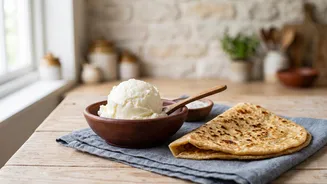
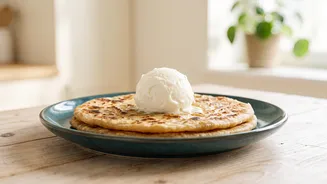
called 'Makhan Chor' (butter thief) for his love of freshly churned butter. This cultural significance is celebrated during festivals like Janmashtami, where offering homemade makhan is a cherished practice. It symbolises a pure, simple, and heartfelt offering, much like the unconditional love of devotees. This rich history elevates homemade butter from a mere condiment to a symbol of heritage and familial love, often served with affection on hot parathas and rotis.
Healthier Than Its Yellow Counterpart
Beyond the nostalgia, there are compelling health reasons to choose homemade white butter. Unlike most commercial yellow butters, homemade makkhan is typically unsalted and free from preservatives and artificial colouring. This gives you better control over your sodium intake. White butter is a source of fat-soluble vitamins like A, D, E, and K, which are crucial for vision, immunity, and skin health. It also contains butyrate, a short-chain fatty acid that may help reduce inflammation and support digestive health. Because it is minimally processed, it retains more of its natural nutrients compared to heavily processed store-bought varieties.
What You Will Need
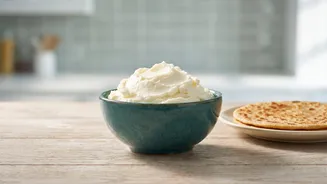
The beauty of making white butter lies in its simplicity. You only need one primary ingredient: full-fat cream, known as malai in Hindi. You can collect malai at home or use store-bought heavy cream. To collect it at home, boil full-fat milk, let it cool completely, and then skim off the thick layer of cream that forms on top. Store this cream in an airtight container in the refrigerator or freezer until you have collected a sufficient amount, typically at least two to three cups. Besides the cream, you will also need chilled water and ice cubes, which are essential for the churning process.
The Method: From Cream to Butter
Once you have enough cream, the transformation begins. If your cream is frozen, allow it to come to room temperature. Transfer the cream to a blender, food processor, or a large bowl if using a hand mixer. Begin to churn or blend the cream. Initially, it will thicken and form soft peaks, much like whipped cream. Keep going. After a few more minutes, the cream will start to curdle and look grainy. This is the sign that separation is imminent. Suddenly, you will see pale, buttery solids begin to separate from a thin, watery liquid—this liquid is buttermilk. At this stage, add a cup of chilled water or a few ice cubes. This helps the butter solids firm up and clump together, making them easier to separate from the buttermilk.
Washing and Storing Your Butter
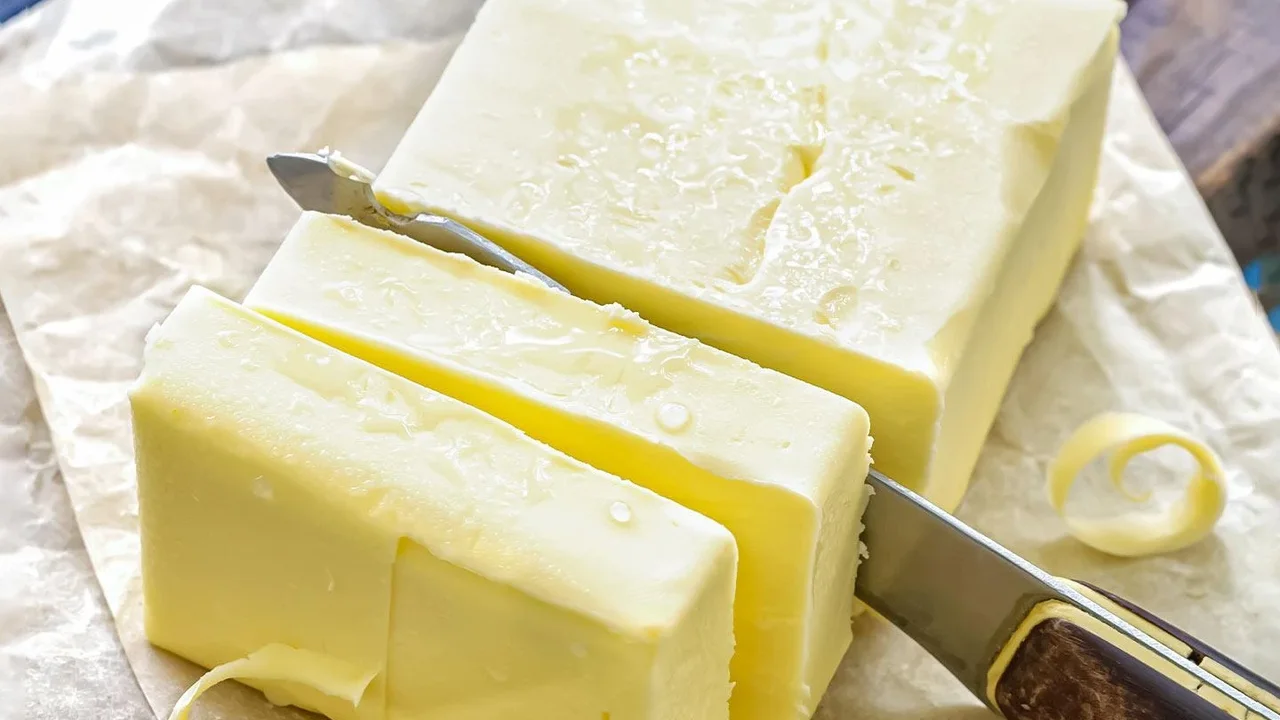
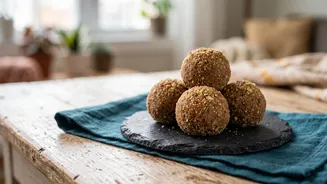
Once the butter has separated, pour off the buttermilk. You can save this nutritious liquid for use in baking, making kadhi, or simply as a refreshing drink. The next step is to 'wash' the butter to remove any remaining buttermilk, which helps it stay fresh longer. Place the butter solids in a bowl of fresh, ice-cold water. Gently knead and press the butter with a spatula or clean hands to squeeze out the milky liquid. Discard the water and repeat this washing process two or three more times, until the water runs almost clear. Once washed, press out any excess water and shape your butter into a block or roll it into balls. Store it in an airtight container in the refrigerator for up to a week, or in the freezer for several months.
How to Best Enjoy Your Creation
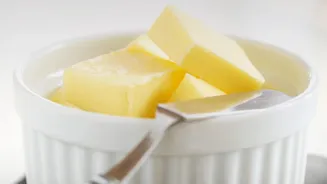
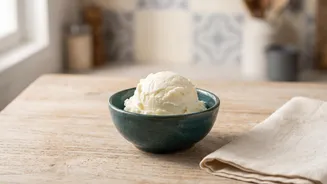
The reward for your efforts is a deliciously fresh, creamy, and pure butter. Its flavour is mild and sweet, a world away from the saltiness of many commercial butters. There are countless ways to enjoy it. Spread it generously on hot, fluffy parathas, toast, or freshly made rotis. A dollop on top of dal makhani or sarson ka saag adds a rich, luxurious finish. For a simple treat reminiscent of childhood, mix a spoonful of white butter with a little sugar or mishri and enjoy it as is—a nod to Lord Krishna's favourite snack, makhan mishri.