



The Glow-Up: Why Bother With Beetroot?
Before we tackle the mess, let's remember why beetroot is worth the effort. It's a powerhouse of nutrients that benefit the skin. Rich in Vitamin C and antioxidants, beetroot helps fight free radicals, which can cause premature ageing. The same properties
can help brighten the complexion, reduce pigmentation, and even out skin tone. Its anti-inflammatory nature can soothe irritated skin and help control acne, while its high water content provides natural hydration. Essentially, a beetroot mask is a shortcut to nourished, glowing skin, making that vibrant colour seem a little less intimidating and a lot more inviting.
A Simple, Less-Messy Mask Recipe
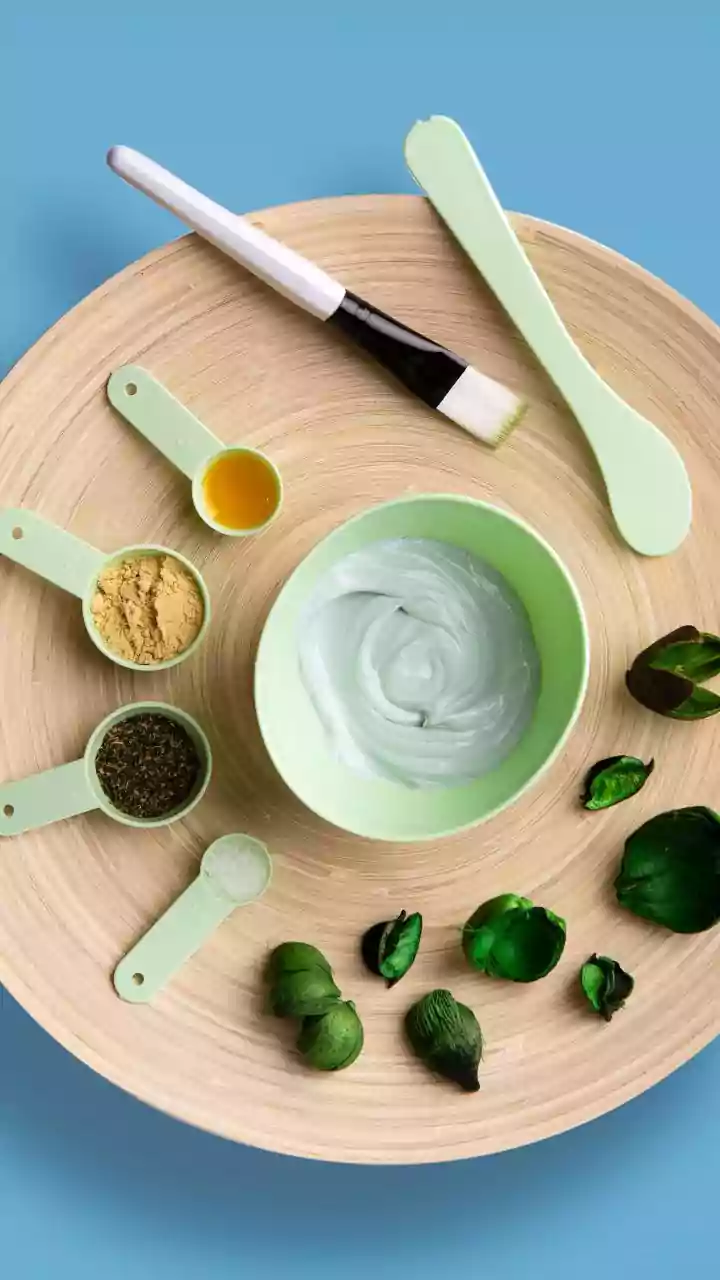
A runny mask is a messy mask. The key to control is adding a thickener. Forget just plain beetroot juice; creating a paste is your first line of defence against drips and splatters. For a simple and effective mask, combine two tablespoons of beetroot juice or powder with two to three tablespoons of a thickening agent like plain yogurt (dahi), gram flour (besan), or Fuller's earth (multani mitti). Yoghurt offers gentle exfoliation with lactic acid, while besan and multani mitti are excellent for absorbing excess oil. Mix until you have a smooth, thick paste that won't run down your face. This consistency is crucial for keeping the mask exactly where you want it.
Preparation is Everything
The secret to a mess-free beetroot mask experience begins before you even apply it. First, change into an old t-shirt you don't mind getting stained. Tie your hair back securely and wear a headband to keep your hairline clear. Beetroot’s powerful pigment will stain skin and hair. To prevent a temporary pink hairline or eyebrows, apply a thin layer of petroleum jelly, coconut oil, or a thick moisturiser along your hairline, on your eyebrows, and around your nostrils. This creates a barrier that the mask can't penetrate. Finally, lay down an old towel over your bathroom counter or any surface you'll be using. A few minutes of prep can save you a lot of scrubbing later.
The Art of Application
Ditch your fingers for this task. Using a flat foundation brush or a dedicated face mask applicator gives you precision and control, minimising the risk of drips and flicks. Apply the mask in a cool, well-lit bathroom, preferably leaning over the sink. Start by spreading an even layer across your face, avoiding the delicate skin around your eyes and mouth. The thicker paste you mixed earlier should adhere nicely without running. Work in sections—forehead, cheeks, nose, and chin—to ensure even coverage. Once applied, stay relatively still for 15-20 minutes to let the mask dry and work its magic. Resist the urge to talk or make expressive faces, which can cause the mask to crack and flake off.
The Cleanup Strategy
When it's time to rinse, don't just splash water everywhere. Lean over the sink and use lukewarm water to gently soften the mask first. Use your fingertips to massage in slow, circular motions, which provides a final bit of exfoliation as you rinse. This helps lift the mask away cleanly. Have an old, dark-coloured washcloth handy to wipe away any residue from your face and the sink basin. If you notice a slight pink tint on your skin, don't panic. A gentle facial cleanser on a cotton pad will usually lift any remaining pigment. A few drops of lemon juice mixed with water can also work, but use it cautiously, especially if you have sensitive skin.