

India’s Unblinking Eye on the Sun
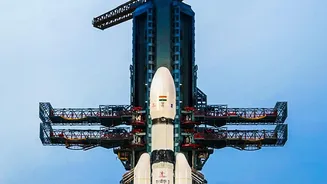
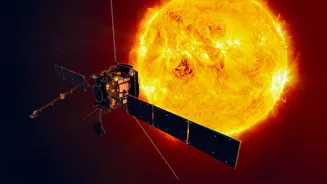
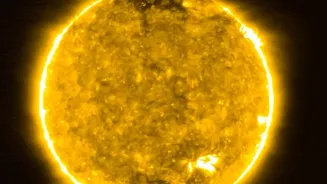
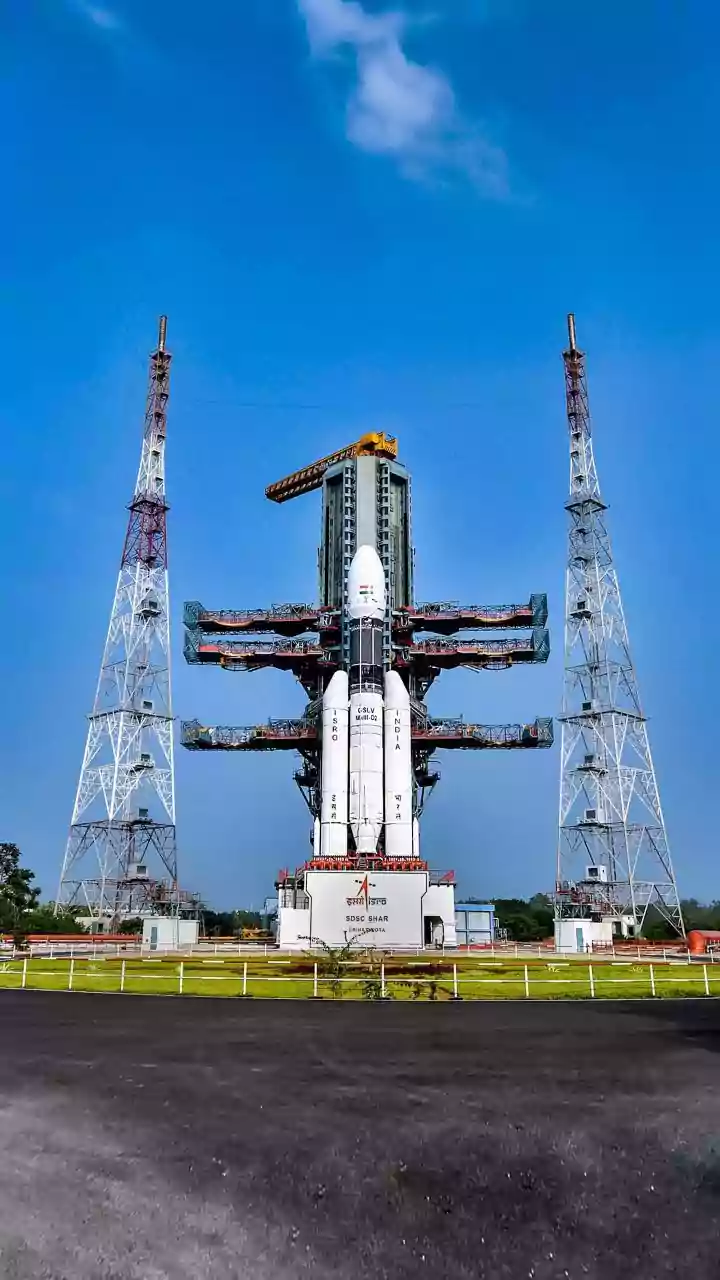
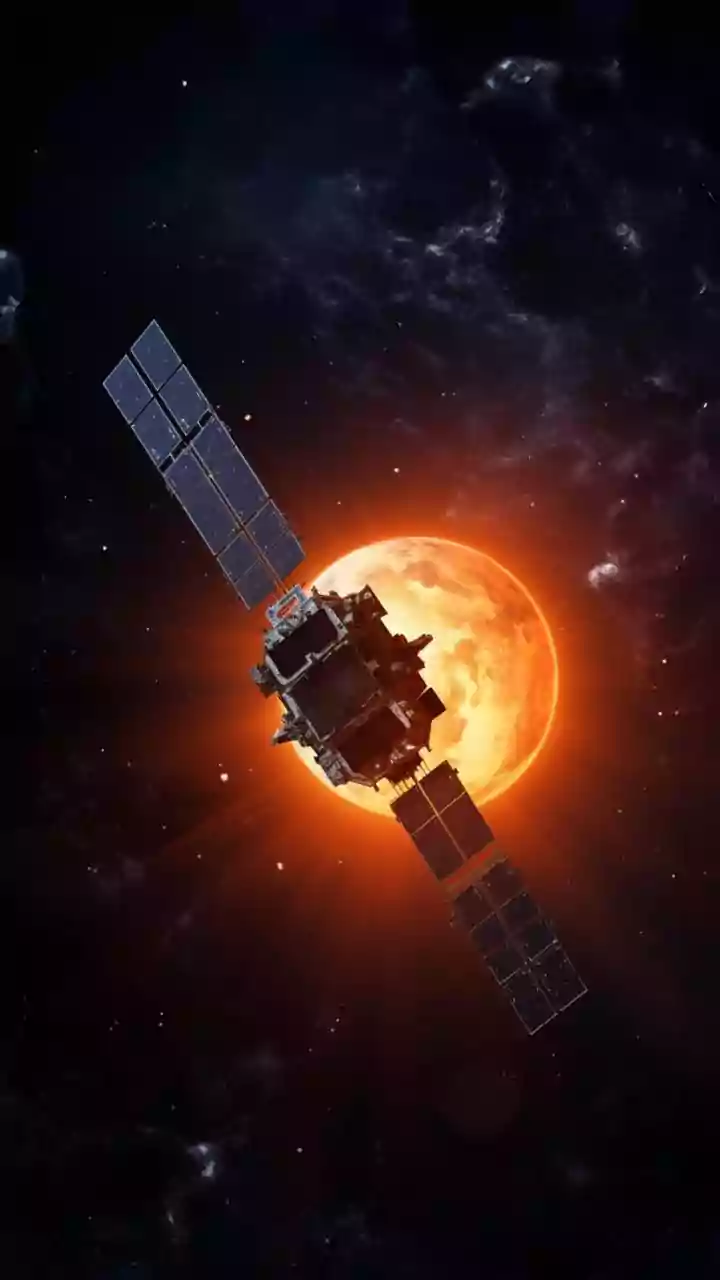
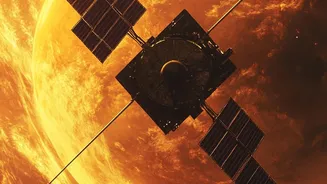
Launched by the Indian Space Research Organisation (ISRO) on September 2, 2023, Aditya-L1 is the nation's first dedicated solar observatory. It is strategically positioned at Lagrange Point 1 (L1), a gravitationally stable spot about 1.5 million kilometres
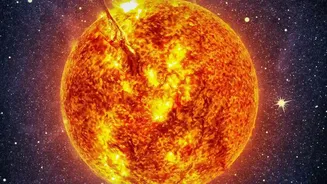
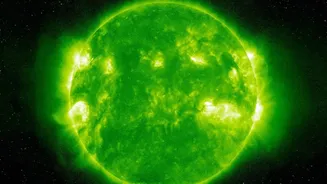
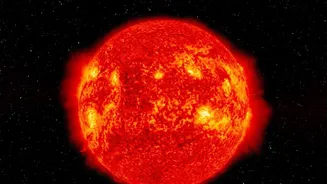
from Earth, which allows it an uninterrupted, continuous view of the Sun. Aditya-L1 is equipped with a suite of instruments, but the star of this collaborative show is the Visible Emission Line Coronagraph (VELC). Developed by the Indian Institute of Astrophysics (IIA), VELC is designed to study the Sun's corona—its superheated outer atmosphere—by analysing the light it emits. This gives scientists crucial data on the temperature, density, and velocity of the coronal plasma, especially in the moments leading up to an eruption.
Europe’s Artificial Eclipse in Space
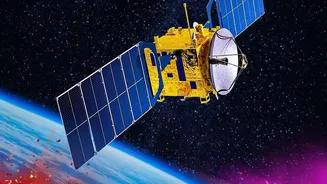
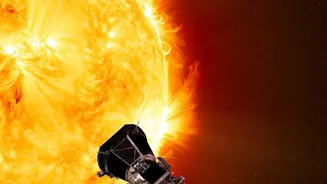
The European Space Agency's (ESA) Proba-3 mission is a technological marvel in its own right. Launched by an ISRO PSLV rocket in December 2024, it is the world's first precision formation-flying mission. Proba-3 consists of two separate spacecraft flying in perfect tandem, about 150 metres apart. One spacecraft, the 'Occulter', blocks the bright light from the Sun's main disk, casting a precise shadow over the second spacecraft, the 'Coronagraph'. This manoeuvre creates an artificial solar eclipse in space, allowing its ASPIICS instrument to capture incredibly detailed images of the faint, inner corona closer to the solar surface than was previously possible. This innovative approach minimises the stray light that typically hinders ground-based and single-spacecraft coronagraphs.
A Powerful Combination
The true breakthrough comes from combining the different, complementary strengths of Aditya-L1 and Proba-3. While Proba-3’s ASPIICS provides razor-sharp images of the corona's structure, Aditya-L1’s VELC provides spectroscopic data, analysing the properties of the gas itself. For the first time, scientists can observe the same solar event with both imaging and spectroscopy simultaneously. This dual perspective allows for cross-validation of data; for instance, measurements of a solar eruption's mass and energy can be independently calculated and confirmed by both teams, greatly increasing confidence in the findings. Recently, the missions jointly observed two Coronal Mass Ejections (CMEs) in September 2025, providing a complete picture of their evolution from birth.
Decoding Violent Solar Weather
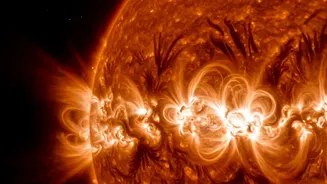
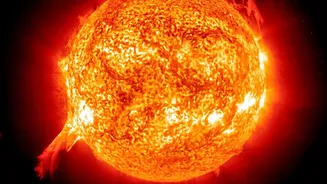
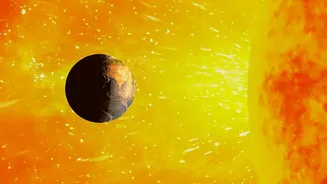
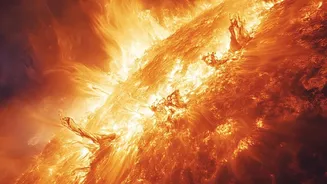
The primary targets for this joint mission are Coronal Mass Ejections (CMEs)—colossal explosions that hurl billions of tonnes of plasma and magnetic fields from the Sun into space. When directed at Earth, these eruptions can trigger severe geomagnetic storms, threatening satellites, power grids, and communication networks. Observing CMEs near their origin has been a long-standing challenge for scientists. This collaboration allows researchers to measure key parameters like mass, density, and energy right at the moment of eruption, providing critical data to improve space weather forecasting models. By understanding the initial division of energy in a CME, scientists hope to better predict its speed, trajectory, and potential impact on our planet.
A New Chapter in Space Diplomacy
This collaboration is more than just a scientific endeavour; it's a powerful example of international cooperation in a field where single-nation efforts are often limited by cost and complexity. The partnership between ISRO and ESA leverages the unique strengths of each agency, creating a scientific capability greater than the sum of its parts. This synergy not only accelerates our understanding of the Sun but also sets a precedent for future joint missions. As nations around the world expand their space ambitions, such collaborative models that pool resources, share data, and foster scientific dialogue will be crucial for tackling the biggest questions in space science and ensuring the responsible exploration of our solar system.