




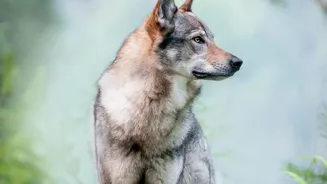


The Return of an Apex Predator
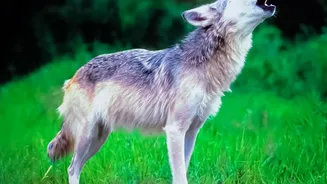
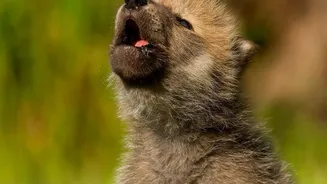
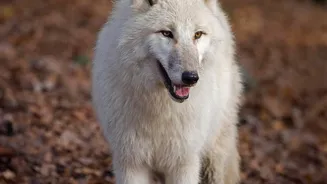
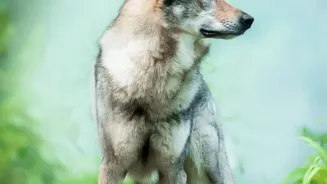
One of modern Europe's greatest conservation successes is howling from the forests and mountains. The grey wolf, once eradicated from much of the continent, has returned in force. Thanks to decades of legal protection under measures like the EU's Habitats
Directive, wolf populations have rebounded dramatically. A 2022 study estimated the population at over 21,500 across the continent, a figure that represents a nearly 60% increase in just ten years. Countries like Italy, Spain, and Germany now host populations numbering in the thousands. This isn't a story of reintroduction, where humans bring animals back. Instead, wolves have reclaimed their ancestral territories on their own, dispersing from surviving pockets in Southern and Eastern Europe and demonstrating a remarkable ability to adapt to human-dominated landscapes. They are now found in almost every mainland European country, a testament to conservation policies and the resilience of nature.
Conflict on the Pasture
The wolf's return has not been celebrated by everyone. For rural communities, particularly livestock farmers, it has revived age-old tensions. As wolf packs have grown, so have reports of attacks on sheep, goats, and even cattle. The numbers paint a stark picture of the challenge: across the EU, wolves are estimated to kill around 56,000 domestic animals annually. This creates not only a direct economic loss for farmers but also a significant emotional and administrative burden. While compensation schemes exist in most member states, many argue they don't fully cover the costs or the stress involved. The conflict has become a potent political issue, pitting conservation goals against the livelihoods of rural populations. In response to pressure from agricultural groups, the European Union has recently moved to downgrade the wolf's status from “strictly protected” to “protected,” giving member states more flexibility to manage populations, which could include culling. This decision has been praised by farming lobbies but condemned by conservation groups, who argue it is a political move that ignores science and threatens decades of progress.
A New Breed of Wildlife Tourism
On the other side of the coin, the return of the wolf has created an entirely new economic opportunity: wildlife tourism. In regions like Spain’s Riaño Mountains, Italy's Apennines, and the French Alps, small tour operators are guiding travellers on expeditions to track wolves and, if they are lucky, catch a glimpse of the elusive predator. This niche market is growing, attracting photographers, nature lovers, and adventure travellers from around the world. These trips generate revenue for local guides, lodges, and restaurants, providing a powerful economic incentive for conservation. Proponents argue that a living wolf can be far more valuable to a local economy over its lifetime than the cost of livestock it might predate. The success of wolf tourism in places like Yellowstone National Park in the US, which generates millions in annual revenue, is often cited as a model for what could be achieved in Europe. It presents a compelling case for coexistence, turning a symbol of conflict into an engine for sustainable local development.
The Search for Middle Ground
Navigating the path forward requires balancing these competing interests. The challenge lies in fostering genuine coexistence. This involves more than just policy debates in Brussels; it requires practical, on-the-ground solutions. Successful coexistence hinges on the widespread adoption of non-lethal preventative measures. These include using specialised livestock guardian dogs, like the Maremma Sheepdog, which have been bred for centuries to protect flocks, as well as installing wolf-proof fencing. Financial support from the EU helps farmers invest in these measures. However, success often depends on local context, farmer engagement, and managing public perception. The debate is no longer simply about whether wolves should exist in Europe—their return is a fact. The critical question now is how humans will adapt. The wolf’s comeback is a mirror reflecting Europe’s ability to share its landscape, manage complex socio-economic conflicts, and decide what a modern, thriving ecosystem truly looks like.