





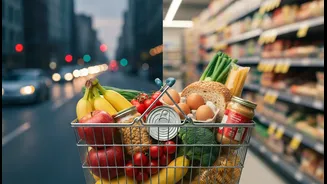


The Science of Superior Flavour
Produce that is grown in its natural season simply tastes better. The reason is scientific. When fruits and vegetables are allowed to ripen on the vine under optimal growing conditions—the right amount of sun, rain, and soil temperature—they develop their
full flavour and nutritional profile. A sun-ripened tomato picked in summer is juicier and sweeter because it has been allowed to mature fully on the plant, developing the natural sugars and compounds that create its rich taste. Out-of-season produce is often picked early to withstand long-distance shipping and then artificially ripened using gases. This process can't replicate the complex flavours that develop naturally, often resulting in produce that is bland, mealy, or less vibrant. Seasonal produce is also fresher because it travels shorter distances from farm to market, which means less time in storage and a more robust flavour when it reaches your plate.
The Economics of Eating Seasonally
Following the seasons is also kinder to your wallet. The basic law of supply and demand is at play here. When a particular fruit or vegetable is in season, it is abundant. Farmers have a large harvest, and this plentiful supply drives down prices at your local market. Conversely, when you buy produce out of season, it has likely been grown in a greenhouse or imported from a different climate, incurring significant costs for transportation, storage, and artificial growing conditions. These extra expenses are passed on to the consumer, making the produce more expensive. By choosing seasonal items, you are not only getting better prices but also supporting local farmers and reducing the environmental footprint associated with long-haul transportation.
Your Summer Shopping List (March - June)
Indian summers are synonymous with some of the most beloved fruits. This is the time to indulge in the king of fruits, the mango, available in numerous varieties across the country. Hydrating fruits like watermelon and muskmelon are at their peak, offering a sweet respite from the heat. You'll also find juicy litchis and jackfruit. On the vegetable front, summer is the time for gourds of all kinds—bottle gourd (lauki), bitter gourd (karela), and ridge gourd (turai) thrive in the warmth. Okra (bhindi), cucumbers, and pumpkins are also in abundance.
A Guide to the Monsoon Harvest (July - September)
The monsoon season brings a refreshing change and its own unique bounty. This is the prime season for jamun (black plum), a tart and sweet fruit that is eagerly awaited. Peaches, plums, and cherries also make an appearance in the markets. For vegetables, the humid and warm conditions are perfect for leafy greens like spinach and amaranth. The gourd family continues to flourish, joined by corn, which becomes a popular street-side snack. You will also find an abundance of brinjal (eggplant) and various beans during these months.
The Best of Winter's Bounty (October - February)
Winter brings a crispness to the air and a vibrant array of produce to the markets. This is the peak season for citrus fruits, with oranges, sweet limes (mosambi), and kinnow being exceptionally juicy and flavourful. Grapes, pomegranates, and apples from regions like Himachal Pradesh are also at their best. Winter vegetables are arguably the stars of the season. Look for sweet carrots, beetroot, fresh peas, and hearty greens like spinach (palak) and mustard greens (sarson). Cauliflower and cabbage are also at their peak, offering great taste and value.