





The Reality of Winter Rail Travel
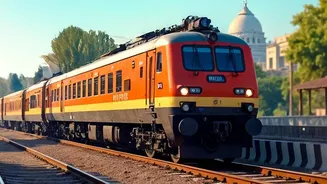
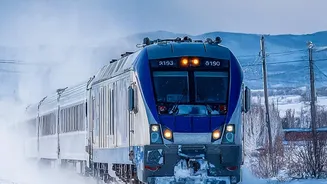
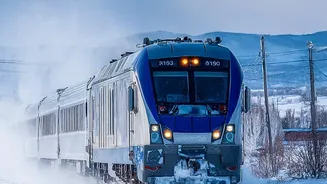
Travelling by train during the Indian winter, especially from December to February, is a different experience. The primary challenge, particularly in North India, is dense fog. This isn't just a minor inconvenience; it severely reduces visibility for
loco pilots, forcing trains to run at slower speeds for safety. Consequently, schedules can be thrown into disarray, leading to long delays, rescheduling, and sometimes, pre-planned cancellations. Indian Railways often announces a list of cancelled or partially cancelled trains months in advance to manage the network congestion caused by these 'foggy season' conditions. Therefore, the first step in planning is acknowledging that flexibility is non-negotiable.
Strategic Route Selection
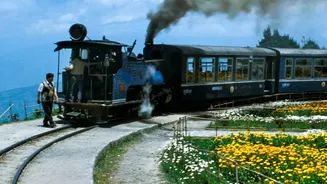
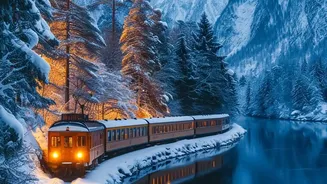
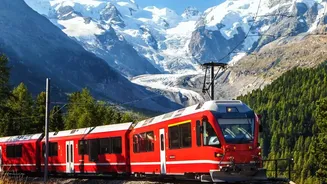
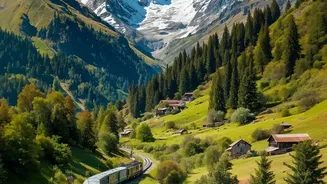
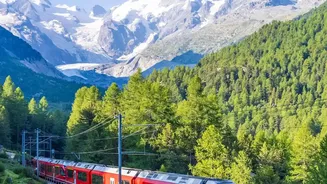
While the northern plains are most affected by fog, many other routes offer breathtaking and reliable winter journeys. The Konkan Railway, running along the west coast from Mumbai to Goa and beyond, is largely unaffected by fog and provides stunning views of the Arabian Sea. Journeys into Rajasthan are popular as the desert climate becomes pleasant. For those seeking snow, the mountain railways are a prime choice. The Kalka-Shimla Railway, a UNESCO World Heritage site, offers a fairytale-like journey through pine forests and potentially snow-dusted landscapes. Similarly, the Darjeeling Himalayan Railway provides iconic 'toy train' experiences with views of the Himalayas. Choosing a route outside the main fog belt can significantly reduce the risk of disruption.
Booking Connections: A Buffer is Best
Booking connecting trains in winter requires a defensive strategy. It is highly advisable not to book tight connections, especially if your first train is travelling through a fog-prone zone. A delay of several hours is common, which could cause you to miss your onward journey. The safest approach is to plan a significant buffer between trains—think 8-12 hours or even an overnight stay in your connecting city. This might seem overly cautious, but it's a realistic precaution against winter schedule volatility. When booking, use the IRCTC website or app, or reliable third-party portals, and always double-check the running status of your train using the National Train Enquiry System (NTES) before heading to the station.
Packing for Warmth and Delays
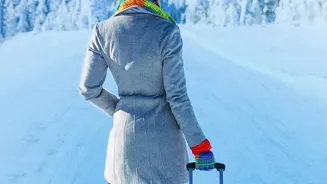
Packing for a winter train journey is about more than just a sweater. While AC coaches are climate-controlled, they can still feel chilly, and the provided linen might not be enough for everyone. Layering is the most effective strategy. Pack thermal wear, a warm jacket or fleece, and a soft shawl or a personal blanket for extra comfort. Given the possibility of delays, your carry-on should be a survival kit. Include a power bank for your devices, a thermos for hot water or tea, and a stash of non-perishable snacks like nuts, biscuits, or fruit. Don't forget any essential medicines, keeping them in your hand baggage for easy access.
Onboard Comfort and Safety
Once onboard, settle in for the journey. Keep your luggage secured, especially during overnight trips; a small chain and lock to fasten your bags to the berths below the seat is a common practice. Stay hydrated by sipping warm water, which is more comforting in the cold than chilled drinks. While pantry cars and e-catering services are available, having your own snacks and a thermos gives you a reliable backup if the train is held up in a remote area. If travelling in an AC coach, you can usually request the attendant to adjust the temperature if it's too cold. Be prepared for the rhythmic journey, enjoy the misty views from the window, and embrace the unhurried pace that defines rail travel in the winter.