





The Anatomy of a Perfect Parfait
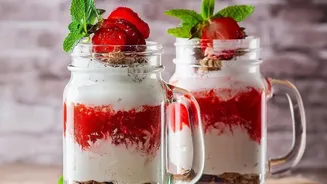
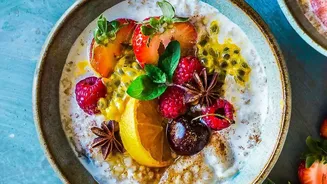
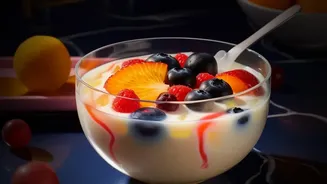
At its heart, a parfait is a symphony of simple layers: something creamy, something fruity, and something crunchy. The beauty lies in its balance and the visual appeal of its distinct strata, typically served in a clear glass to show off the colours and textures.
The creamy base is usually yoghurt, the fruit layer provides sweetness and vibrancy, and a sprinkle of granola or nuts adds a satisfying crunch. This combination is not only delicious but also packs a nutritious punch, making it a smart way to start your day or refuel in the afternoon.
The Great Fruit Debate: Fresh vs. Frozen
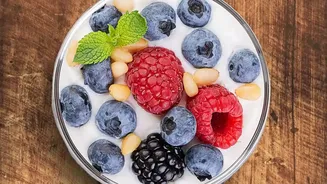
The central question for any parfait artist is whether to use fresh or frozen fruit. Both have their merits. Fresh, in-season fruit offers unparalleled flavour and a firm texture that holds up well in layers. Berries like strawberries, blueberries, and raspberries are classic choices. Peaches, mangoes, and bananas also work beautifully. Frozen fruit, on the other hand, is a fantastic, budget-friendly option available year-round. The main challenge with frozen fruit is its tendency to release water as it thaws, which can lead to a soggy parfait. To avoid this, it's best to thaw the fruit beforehand in a colander to drain excess liquid. Some actually enjoy the saucy consistency that thawed frozen fruit creates when mixed with yoghurt. For a quick preparation, a brief 30-second stint in the microwave can soften frozen berries without turning them mushy.
A Simple Berry Parfait Recipe
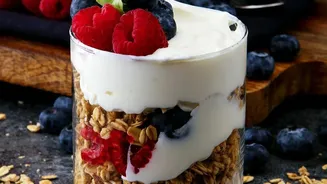
This recipe is a blueprint for perfection, easily adaptable to your taste. For one serving you will need: 3/4 cup of yoghurt, 1/2 cup of mixed berries, and 1/4 cup of granola. A drizzle of honey or maple syrup is optional for extra sweetness. Begin by spooning about a third of your yoghurt into the bottom of a clear glass or jar. Add a layer of mixed berries, followed by a sprinkle of granola. Repeat the layers until the glass is full, ending with a final topping of fruit and a last scattering of granola. For the best texture, serve immediately. If you're preparing it ahead of time, it's wise to add the granola just before eating to ensure it stays crunchy.
Choosing Your Creamy Base
The yoghurt you choose forms the foundation of your parfait. Greek yoghurt is a popular choice due to its thick, creamy texture and high protein content, which makes for very stable layers. Regular plain or vanilla yoghurt also works wonderfully. For a healthier approach, using plain yoghurt and sweetening it yourself with a little honey, maple syrup, or mashed fruit gives you control over the sugar content. Many store-bought flavoured yoghurts can contain significant amounts of added sugar. If you are dairy-free, plant-based yoghurts made from coconut, almond, or soy are excellent alternatives that deliver on creaminess.
Adding the Essential Crunch
The crunchy layer is crucial for textural contrast. Granola is the go-to option, and you can use either store-bought or a simple homemade version. Making your own granola allows you to control the ingredients and sweetness, often combining rolled oats with nuts, seeds, and a natural sweetener like honey or maple syrup before baking. Beyond granola, you can get creative with your crunch. Chopped nuts like almonds or pecans, various seeds such as chia or sunflower seeds, or even crushed biscuits can provide that delightful textural element.
Expert Tips and Variations
To elevate your parfait, focus on the details. When layering, use a spoon to carefully place ingredients against the side of the glass to create clean, visible lines. For an even neater presentation, a piping bag can be used for the yoghurt layers. Don't be afraid to experiment with flavours. Try a tropical version with mango, pineapple, and coconut flakes. A 'cherry pie' parfait could feature cherry compote and crushed graham crackers. You can also make a 'parfait bar' for a fun brunch, setting out bowls of different yoghurts, fruits, and crunchy toppings for guests to build their own creations.