



What Exactly Are Orbital Weapons?
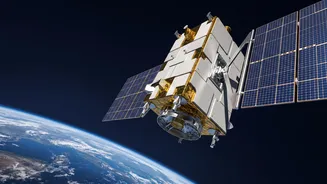
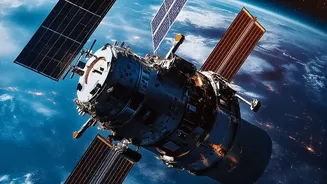
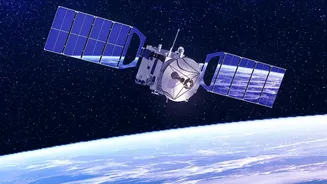
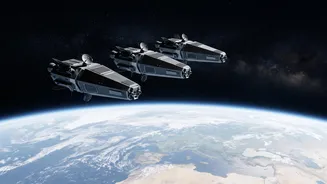
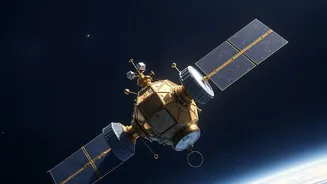
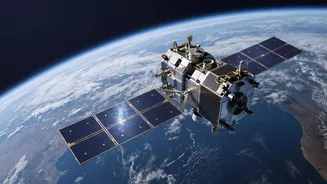
Orbital weapons aren't just bombs floating in space. The term covers a range of technologies designed to disrupt, damage, or destroy systems in orbit. This includes direct-ascent anti-satellite (ASAT) missiles launched from the ground to physically smash
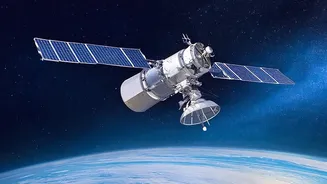
into a target satellite. Other types are more subtle, such as co-orbital weapons that are placed in orbit and can maneuver to interfere with another satellite, or ground-based systems that use lasers or electronic jamming to blind or disable them. While the 1967 Outer Space Treaty bans placing weapons of mass destruction in orbit, it has loopholes regarding conventional weapons, leading to a grey area that nations have begun to exploit.
The New Space Race Players
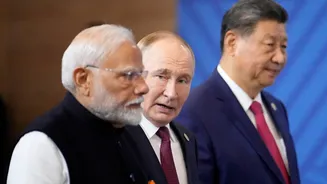
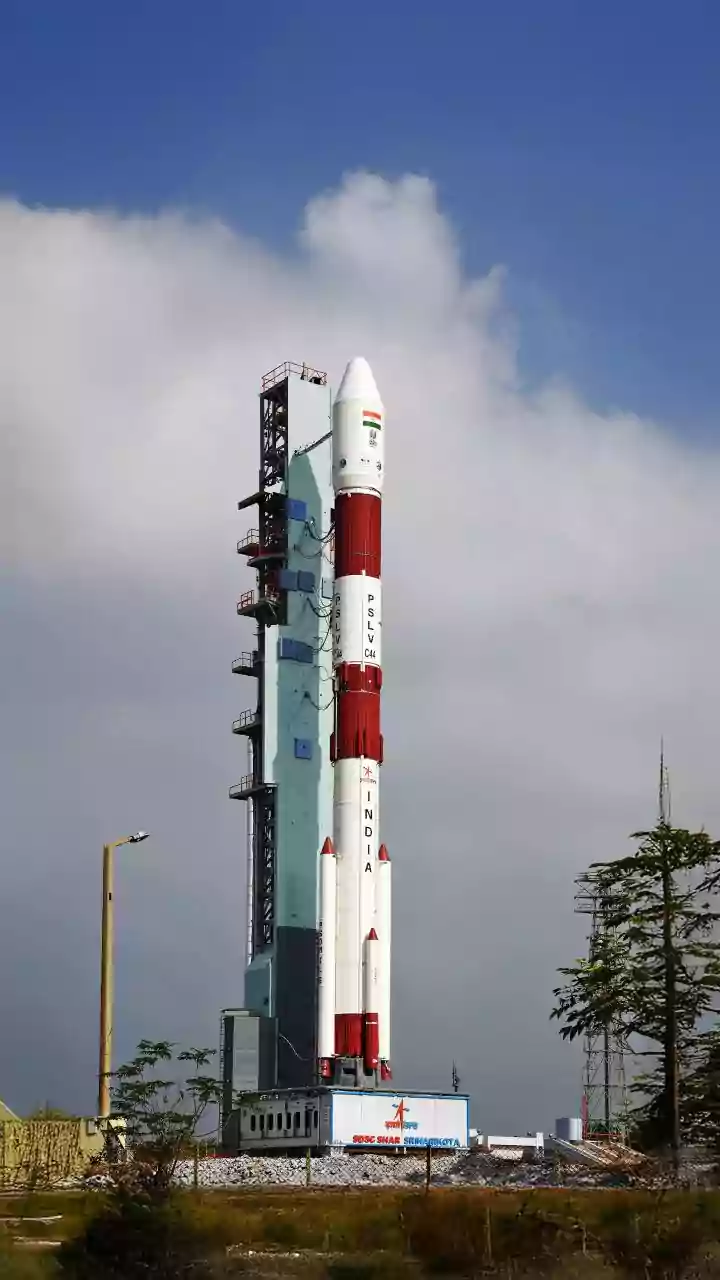
The competition to control the high ground of space is no longer a two-horse race. During the Cold War, the United States and the Soviet Union were the primary actors. Today, they have been joined by other major powers. China has demonstrated significant capabilities, including a 2007 ASAT test that created a massive field of space debris. India also proved its ASAT capability with its 'Mission Shakti' test in 2019, successfully destroying one of its own low-orbit satellites. These tests, while framed as defensive demonstrations, signal a new and more crowded era of space militarisation, with countries like Russia, the US, China, and India all possessing the ability to destroy satellites in orbit.
The Looming Threat of Space Debris
One of the most significant dangers of using destructive orbital weapons is the creation of space junk. A single collision can generate thousands of pieces of debris, travelling at speeds over 28,000 kilometres per hour. This leads to a scenario known as the 'Kessler Syndrome', first proposed by a NASA scientist in 1978. The theory describes a potential chain reaction where the density of orbital debris becomes so high that collisions create a cascading effect, generating even more junk until low Earth orbit becomes unusable for generations. This isn't just a theory; a 2009 collision between two intact satellites demonstrated the principle in practice, creating a dangerous new debris cloud.
How a War in Space Affects You
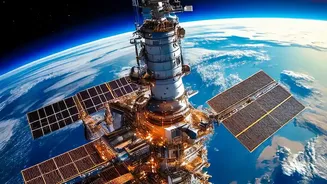
A conflict in orbit would have immediate and severe consequences on the ground. Modern life is critically dependent on satellite infrastructure. Your phone's GPS navigation would fail. Weather forecasting would become far less accurate, hindering disaster management. Financial markets and banking systems, which rely on the ultra-precise timing signals from GPS satellites to synchronise transactions, could face collapse. Communications, television broadcasts, and internet services would be widely disrupted. Essentially, the invisible framework that keeps much of the global economy and modern society running would be switched off, causing chaos that would affect everyone, not just militaries.
The Diplomatic Deadlock
Despite the clear dangers, international efforts to prevent an arms race in space have stalled. While there is a UN-backed commitment from many nations, including the US, to stop conducting destructive direct-ascent ASAT tests, a comprehensive and binding treaty remains elusive. Proposals for new agreements, such as the Prevention of an Arms Race in Outer Space (PAROS) treaty, have been debated for years without consensus. Major powers are often reluctant to agree to limitations that could hinder their own strategic capabilities, creating a cycle of mistrust that fuels further weapon development and makes the orbital environment increasingly precarious.