



A Sudden, Terrifying Surge
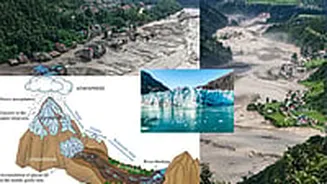
For communities along Nepal's Trishuli River and its tributaries, the event was apocalyptic. On Wednesday morning, August 26, 2026, the river transformed without warning. Water levels surged by as much as nine metres in just half an hour, creating a wall
of debris-filled water that moved at incredible speed. This deluge swept away homes, bridges, roads, and hydropower plants, leaving a trail of devastation and causing hundreds of fatalities, with many more reported missing. The torrent arrived so quickly that there was little to no time for people to flee, turning a quiet morning into a scene of chaos.
The Search for a Cause
In the immediate aftermath, confusion reigned. Initial reports from Nepali officials suggested an earthquake might have triggered a landslide. The tremors were so significant they registered as a magnitude 5.2 event. However, the U.S. Geological Survey (USGS) and other seismic experts quickly determined that the seismic signal was not from a tectonic earthquake but was generated by the disaster itself. Other theories, like a traditional Glacial Lake Outburst Flood (GLOF)—where a moraine-dammed lake bursts—were also considered. But satellite imagery revealed no large glacial lake at the source, pointing to a different and perhaps more unpredictable phenomenon.
Anatomy of a Collapse
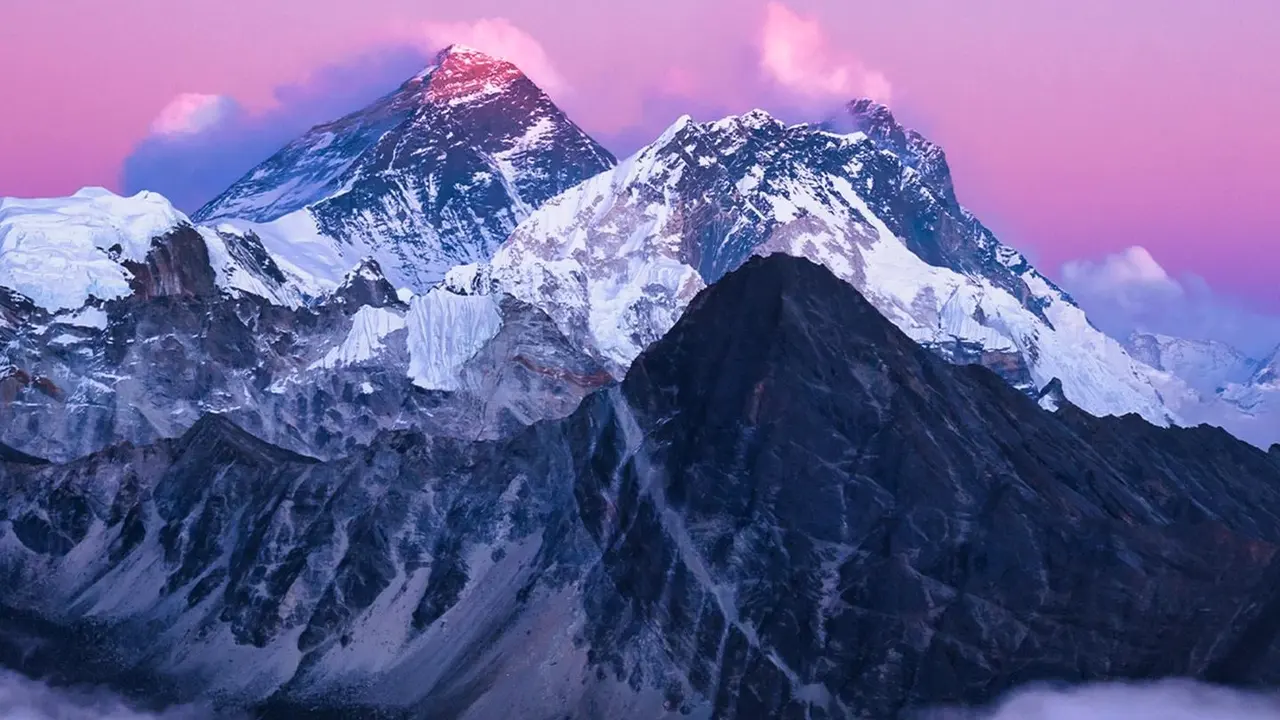
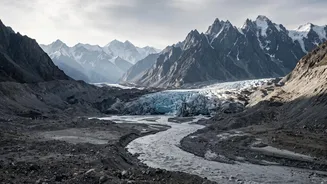
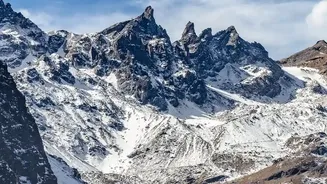
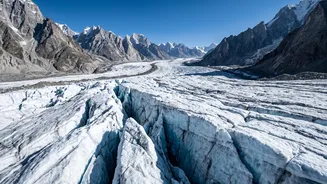
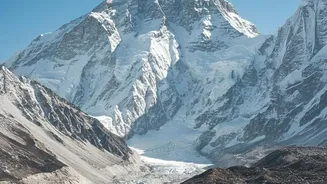
The leading explanation now, supported by satellite imagery and expert analysis, is a catastrophic ice and rock avalanche. High on a mountain peak, a massive chunk of a glacier, estimated to be about 0.2 square kilometres, broke away. This colossal block of ice and rock then plummeted about 1,200 metres into the valley below. The immense energy from this fall was like a bomb exploding. The friction and force of the impact likely pulverized much of the ice, converting it almost instantly into water. This water mixed with loose rock and sediment, creating an extraordinarily large and fast-moving debris flow that funnelled into the narrow river channels.
A Climate Change Fingerprint
While scientists are cautious about linking any single event directly to climate change, the broader context is undeniable. The Himalayas are warming at a rate faster than the global average. This warming has multiple destabilizing effects. It causes glaciers to recede and thin, making them structurally weaker. It also thaws permafrost, the frozen ground that acts like a glue holding steep mountain slopes together. As this 'glue' melts, the risk of massive rock and ice avalanches increases dramatically. Scientists note that these types of cascading hazards—a collapse turning into a debris flow and then a flood—are becoming the "new normal" in the region.
A Ticking Clock for the Himalayas
This tragedy is a stark illustration of the evolving dangers faced by millions of people living downstream from the world's highest mountains. The Hindu Kush Himalaya region's glaciers provide water for nearly two billion people, but their accelerated melting poses a severe threat. Research shows that Himalayan glaciers melted 65% faster in the 2010s than in the previous decade. This incident underscores the urgent need for enhanced monitoring of high-altitude hazards and the development of effective early-warning systems. For communities in Nepal and across the region, understanding and adapting to these new, fast-moving threats is a matter of survival.