






What Exactly Is Breath Journaling?
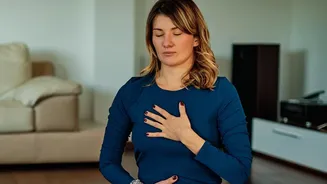
Breath journaling is a mindfulness technique that combines two fundamental wellness practices: controlled breathing and expressive writing. At its core, you begin by focusing on your breath for a few minutes—typically inhaling and exhaling slowly and deeply
to calm your nervous system. Immediately following this period of mindful breathing, you write down your thoughts, feelings, or physical sensations. This isn't about crafting perfect sentences; it's about creating a record of your internal state in that moment. The practice helps you to observe your mental and emotional patterns without judgment, turning fleeting moments of awareness into actionable insight.
The Science-Backed Benefits
The power of breath journaling lies in its dual approach. Slow, deep breathing is scientifically proven to activate the parasympathetic nervous system, which is the body's 'rest and digest' mode. This process can lower your heart rate, reduce blood pressure, and decrease levels of stress hormones. Studies show that slow breathing can also improve mental clarity and focus by increasing oxygen flow to the brain. When you pair this with journaling, you tap into the well-documented benefits of expressive writing. Research indicates that journaling can lower depression scores, help process emotions, and increase self-awareness by helping you identify patterns and triggers for anxiety or stress. The combination sharpens your ability to notice how your body and mind are connected.
How to Start a Simple Practice
Getting started with breath journaling is simple and requires no fancy equipment. All you need is a notebook (physical or digital) and a quiet space where you won't be distracted for 10 to 15 minutes. First, set a timer for about five minutes and focus solely on your breath. A simple technique is 'box breathing': inhale for a count of four, hold for four, exhale for four, and hold for four. Once the timer goes off, immediately pick up your pen and start writing. Don't overthink it. Let your thoughts flow freely in a 'stream of consciousness' style. Write about what you’re feeling, what’s on your mind, or any physical sensations you noticed while breathing. The goal is to be honest, not eloquent.
Using Prompts to Add Structure
If you find a blank page intimidating, journaling prompts can provide a gentle structure to your practice. Prompts are guided questions that give you a starting point and help you focus your reflection on a specific topic. They can be especially helpful for beginners or on days when your mind feels either too scattered or completely blank. Using a prompt helps you move past the initial hurdle of “what should I write about?” and dive deeper into your mental state. This structured approach can make it easier to identify recurring thought patterns, anxiety triggers, and sources of stress over time.
Sample Prompts to Get You Started
The right prompt depends on what you hope to achieve in your session. You can tailor them to your needs, whether you're dealing with anxiety, seeking clarity, or cultivating gratitude. For releasing anxiety: "Where do I feel this anxiety in my body?" or "What is one thing I can do right now to feel safer?". For self-reflection: "What thoughts are distracting me right now?" or "What is one thing I need to let go of?". For cultivating positivity: "What was the best thing that happened to me today?" or "List three things that make you smile.". For grounding yourself: "Describe five things you can see and four things you can hear right now." or "What does it feel like to be in your body at this moment?".