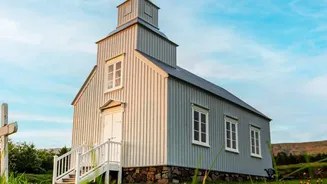




A Legacy Built of Wood
In regions like Maramureș in Romania and across the border in Poland and Ukraine, a unique collection of wooden churches stands as a proud monument to vernacular architecture. Several groups of these churches, including the Wooden Tserkvas of the Carpathian
Region and the Wooden Churches of Maramureș, are jointly recognised by UNESCO as World Heritage Sites. Built between the 16th and 19th centuries, these structures are celebrated for their outstanding craftsmanship and as a reflection of the distinct cultural and religious traditions of the local communities. Often constructed by Orthodox and Greek Catholic faiths, these churches represent a fusion of ecclesiastical design with local folk artistry.
Mastery Without Metal
What makes these churches so remarkable is the extraordinary level of carpentry skill they exhibit. Many were built using horizontal log techniques, with complex corner jointing and interlocking beams assembled with such precision that metal nails were often unnecessary. This method, sometimes referred to as 'zrąb' construction in Poland, required an intimate knowledge of wood, as artisans used hand-hewn fir, oak, and other local timbers to create structures that were both spiritually resonant and incredibly durable. The design often features tall, slender steeples, soaring bell towers, and distinctive multi-layered shingle roofs that protect the structure from the harsh mountain weather.
Expressions of Faith and Identity
These churches were more than just places of worship; they were the heart of their communities and a bold statement of cultural identity. In some cases, historical circumstances dictated the use of wood. For example, during the Austro-Hungarian rule, Orthodox Romanians in Maramureș were forbidden from building permanent stone churches, leading them to perfect the art of timber construction as an act of resilience. The resulting architectural style is a unique blend of Gothic verticality and Byzantine layouts. Inside, the churches are often a revelation, with walls and ceilings covered in vibrant, colourful frescoes depicting biblical scenes and saints, painted in a charmingly direct folk style that was meant to educate and inspire the congregation.
Stories Carved in Timber
Each church tells its own story. The Church of the Archangels Michael and Gabriel in Șurdești, Romania, boasts one of the tallest wooden towers in Europe, reaching over 72 metres. The church in Budești holds not only priceless painted icons but also the coat of mail of a local folk hero. Across the border in Poland and Ukraine, the 16 tserkvas on the UNESCO list are distinguished by their tri-partite plans (three-part layout) and onion-shaped domes, reflecting the traditions of the Boyko, Lemko, and Hutsul ethnographic groups. These structures are not uniform but showcase a rich diversity of styles adapted to their specific locality and community.
An Enduring Heritage
Today, many of these churches are still active places of worship, continuing the spiritual traditions they have housed for centuries. Their inclusion on the UNESCO World Heritage list highlights their global significance and helps ensure their preservation for future generations. Visiting them is often an intimate experience, taking you to quiet villages where a key-keeper might be called from their home to open the doors for you. These structures are not just historical artifacts; they are living heritage, embodying the soul of a region and the timeless beauty of human craftsmanship. They stand as a powerful reminder that the most enduring monuments are often born not of wealth and power, but of community, faith, and masterful artistry.