



The Natural Spectacle: Plitvice Lakes, Croatia
Prepare for a walk through a real-life fairy tale. Plitvice Lakes National Park is an aquatic wonderland where 16 terraced lakes spill into one another through a series of breathtaking waterfalls. The water’s color shifts from emerald green to deep turquoise
depending on the light and minerals, creating a dynamic spectacle. This adventure is about immersing yourself in nature. Wooden boardwalks meander across the crystal-clear water, bringing you so close to the cascades you can feel the mist on your face. The park offers multiple hiking trails, electric boat rides across the largest lake, and panoramic train routes, allowing you to tailor the intensity of your exploration. Inscribed on the UNESCO list in 1979, Plitvice is a testament to the power of water shaping a unique karst landscape over millennia.
The Urban Time Capsule: Historic Centre of Kraków, Poland
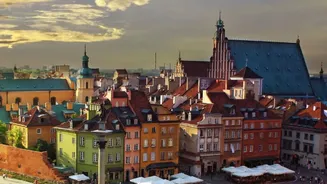
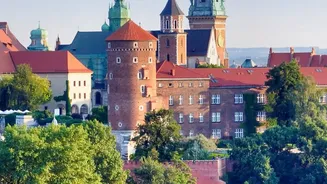
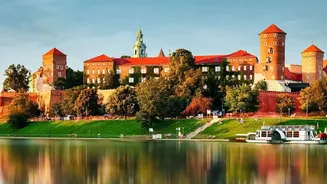
Walking through Kraków's Old Town is like stepping onto a perfectly preserved film set of European history. As one of the first sites added to the UNESCO list, its medieval urban layout remains intact, centered around one of Europe's largest market squares. The adventure here is one of discovery down every cobblestone alley. You can explore the 14th-century Wawel Royal Castle, listen for the hourly bugle call from St. Mary's Basilica's tower, or haggle for amber in the Renaissance-era Cloth Hall. The city pulses with life, from its bustling cafés and underground museums to the quiet, ringed gardens of Planty Park that replaced the old city walls. It's an urban journey that effortlessly blends Gothic, Renaissance, and Baroque architecture with a vibrant modern energy.
The Spiritual Retreat: Rila Monastery, Bulgaria
Nestled high in the Rila Mountains at over 1,100 meters, this monastery is more than just a beautiful building; it’s the spiritual heart of Bulgaria. Founded in the 10th century by the hermit St. Ivan of Rila, its fortress-like walls enclose a courtyard of stunning beauty, with arched colonnades, checkerboard stonework, and vivid frescoes depicting biblical scenes. The adventure here is one of peaceful contemplation and cultural immersion. For centuries, especially during Ottoman rule, the Rila Monastery was a crucial guardian of Bulgarian language, faith, and identity. Today, you can wander the serene complex, visit the museum, and admire Hrelyo’s Tower, the oldest surviving structure from 1335. It offers a profound sense of tranquility and a powerful connection to a nation's soul.
The Subterranean Quest: Caves of Aggtelek and Slovak Karst
For a journey into the Earth's depths, this cross-border UNESCO site shared by Hungary and Slovakia offers an unparalleled underground adventure. The area boasts over 1,000 caves, forming a complex and diverse karst system. The star of the show is the Baradla-Domica cave system, one of the longest in Central Europe, which can be explored on guided tours. Inside, you'll discover a world of towering stalagmites, delicate stalactites, and vast caverns that have been used by humans for thousands of years. Some tours even feature classical music to demonstrate the incredible acoustics. Another highlight is the Dobšiná Ice Cave, where a permanent underground glacier creates a surreal landscape of frozen formations. This is an adventure for the curious, revealing a hidden world shaped by water and time.
The Architectural Pilgrimage: Wooden Tserkvas of the Carpathian Region
This transnational site, spread across Poland and Ukraine, offers a different kind of journey—a hunt for architectural marvels hidden in the Carpathian foothills. The 16 wooden churches, or tserkvas, were built between the 16th and 19th centuries by Orthodox and Greek Catholic communities. Each church is a masterpiece of carpentry, constructed from horizontal logs with soaring, multi-level roofs and onion domes that create distinctive silhouettes against the sky. The adventure lies in seeking out these remote structures, each reflecting the unique traditions of the local communities that built them. Inside, many contain intricate iconostasis screens and colorful frescoes. These tserkvas are not just buildings; they are a living testament to a unique timber-building tradition that has survived for centuries in this isolated, forested region.