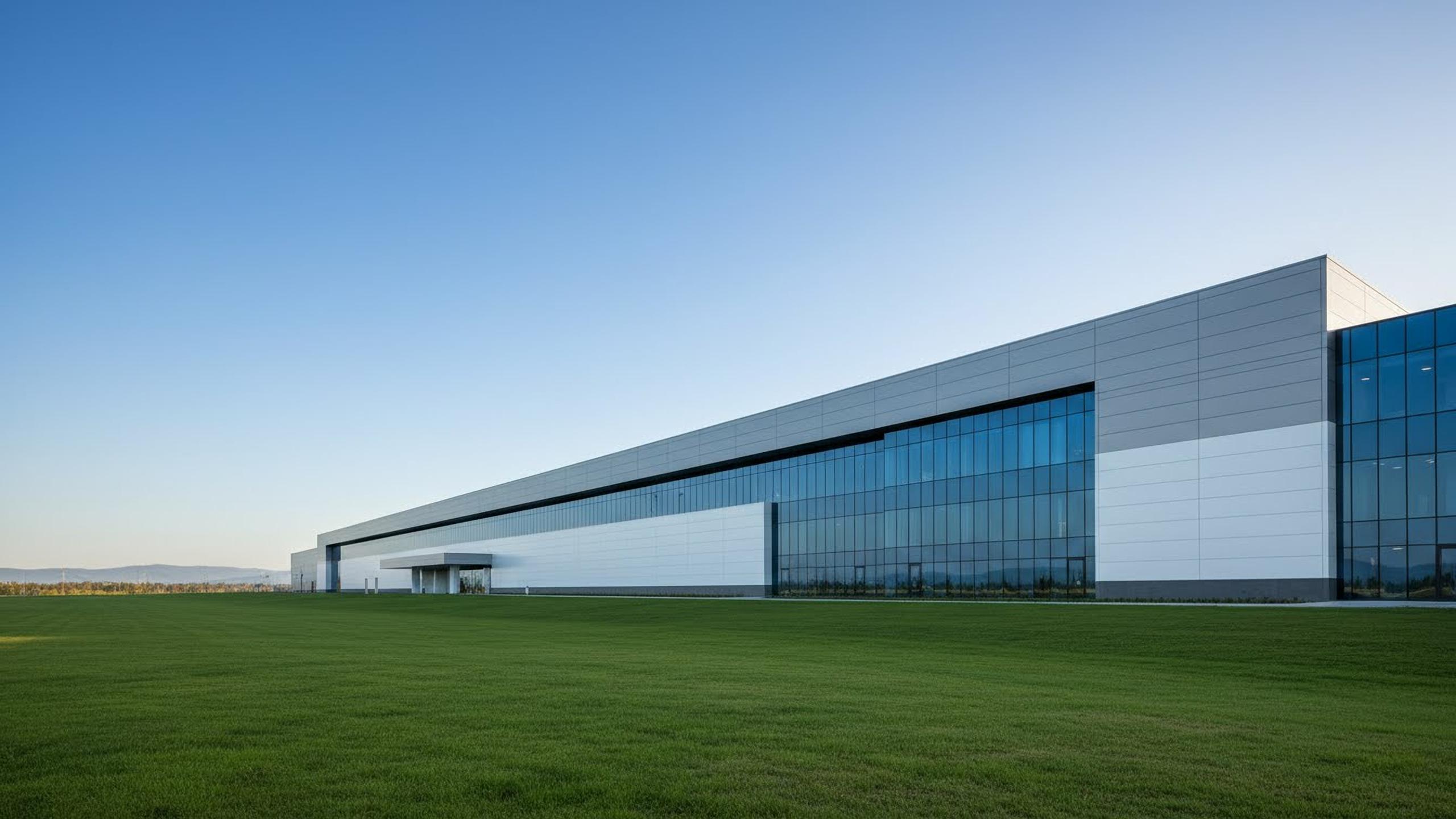








What Exactly Are AI Gigafactories?
Think of AI Gigafactories as supercharged, large-scale computing hubs designed specifically for artificial intelligence. These aren't just typical data centres; they are specialized facilities that combine immense processing power from advanced AI chips,
sophisticated software, high-speed connectivity, and energy-efficient infrastructure. The goal is to provide the raw computational muscle needed to develop, train, and run the most advanced, next-generation AI models. The European Commission envisions these as one-stop shops for the entire AI lifecycle, accessible to a wide range of users, from startups and researchers to large corporations and public authorities, thereby democratising access to high-performance computing.
The €30 Billion Power Play
The headline figure of over €30 billion is a combination of public and private funds. The structure involves up to €10 billion in public funding from the EU and participating member states, which is intended to attract and unlock at least €20 billion more from private investors. This public-private partnership model is central to the strategy, aiming to de-risk the massive upfront investment required for such projects. The funding will support the establishment of up to seven AI Gigafactories across the continent. This initiative is managed by the European High Performance Computing Joint Undertaking (EuroHPC JU), which will oversee a competitive process for consortia to build and operate these facilities.
The Drive for Digital Sovereignty
The primary motivation behind this massive investment is the pursuit of 'digital sovereignty'. For years, Europe has watched as the AI landscape became dominated by tech giants in the United States and China. European companies and researchers often find themselves reliant on American cloud providers for the computing power needed for large-scale AI projects. This creates a strategic vulnerability. By building its own world-class infrastructure, the EU aims to close this 'compute gap', ensuring that European innovation can flourish on European soil, aligned with the bloc's own rules and values on data protection, security, and ethics. It's a clear statement of intent to become a leading 'AI Continent' rather than a mere consumer of technologies developed elsewhere.
Key Players and Flagship Projects
While the call for tenders is open to consortia across the EU, several countries have shown strong interest. Nations like France, Germany, Italy, and Spain are expected to be major players. France, for instance, has been particularly aggressive, with its 'Jules Verne' supercomputer project being a central piece of its national strategy to become an AI leader. This machine, once operational, will be an 'exascale' system, capable of a quintillion calculations per second, providing unprecedented power for AI model training and scientific research. These national initiatives, backed by industry-led consortia and companies like Atos's Eviden, will form the backbone of the continent-wide network of AI Gigafactories and smaller 'AI Factories' that already exist.
Challenges on the Road Ahead
Despite the ambitious vision and significant funding, the path forward is not without challenges. A major hurdle is that a large portion of the public funding depends on the EU's next long-term budget, which is not yet fully secured. Furthermore, there's an inherent irony in the quest for sovereignty: the advanced AI chips needed to power these European gigafactories will still predominantly come from American companies like Nvidia and AMD. Securing a domestic supply of these critical components is a longer-term goal for the EU. Finally, the immense energy consumption of such large-scale computing facilities presents another significant constraint that will require innovative, energy-efficient data centre designs to overcome.