

The Golden Rules of Pairing
Before diving into specifics, a few guiding principles can help you make great choices. The most important rule is to ensure your drink is at least as sweet as, if not slightly sweeter than, your dessert. A dry beverage paired with a sweet treat can make the
drink taste sour or flat. Another approach is to decide if you want to complement or contrast flavours. Complementary pairings match similar notes—like a nutty coffee with a nutty cake—while contrasting pairings create balance, such as a bitter espresso cutting through a rich, sweet dessert. Finally, match intensities; a light, delicate dessert calls for a light-bodied drink, while a rich, heavy sweet needs a beverage that can hold its own.
Pairing Rich and Decadent Cakes
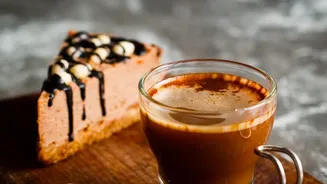
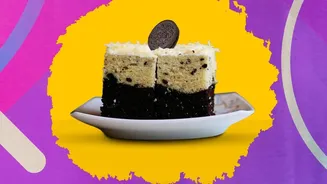
Chocolate cake is a classic, and its best friends are often bold and robust. For wine, a Ruby Port or a French Banyuls has the sweetness and dark-fruit weight to match a dense chocolate cake. When it comes to coffee, the bitterness of a dark roast or a strong espresso beautifully contrasts with the cake's sweetness, a combination often described as a match made in heaven. In fact, coffee is such a powerful flavour enhancer that many bakers add it directly to their chocolate cake recipes. For tea lovers, a full-bodied black tea like an English Breakfast or Assam has the necessary structure to stand up to rich cocoa without getting lost. The tannins in the tea help cleanse the palate between bites.
Pairing Lighter Cakes and Pastries
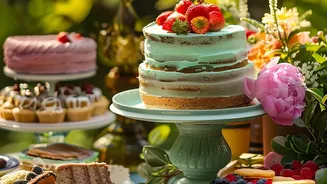
For lighter vanilla, sponge, or angel food cakes, you need a beverage that won't overpower their delicate nature. A gently sparkling Moscato d'Asti or a demi-sec (semi-dry) Champagne works wonderfully. With coffee, a creamy latte complements a slice of cake without stealing the show. If you're enjoying a buttery, flaky pastry like a croissant or scone, a light roast coffee with bright, acidic notes can cut through the richness beautifully. For tea pairings, a delicate white tea is a great match for simple sponge cakes, while a fragrant Earl Grey, with its notes of bergamot, elevates vanilla cakes and buttery shortbread.
Pairing Creamy and Custard Desserts
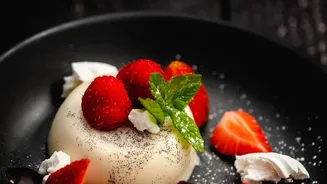
Cheesecakes, crème brûlée, and other creamy custards have a rich texture that pairs wonderfully with specific drinks. A classic wine pairing for crème brûlée or cheesecake is a Sauternes, a honeyed dessert wine that complements the custardy base. A crisp, off-dry Riesling can also work, as its acidity cuts through the richness. For a coffee option, the milky profile of a latte is a gentle match for the velvety texture of a cheesecake. If you prefer tea, herbal options like chamomile can provide a refreshing contrast to a heavy, creamy dessert, cleansing the palate.
Pairing Fruit-Based Desserts
With fruit desserts, the right pairing often depends on the fruit's acidity and sweetness. For tarts made with sharp fruits like lemon or rhubarb, a late-harvest Riesling or a sweet Jurançon provides the necessary sweetness to balance the tartness. For desserts based on red berries, like a cherry crumble, a sparkling red like Brachetto d'Acqui is an excellent choice. If you're drinking coffee, a light roast with its own fruity and citrus notes will echo the flavours in a fruit tart or pie. Green tea also works well with fruit-based desserts, as its lighter, vegetal notes won't overwhelm the natural sweetness of the fruit.