




The Numbers That Signal Hope
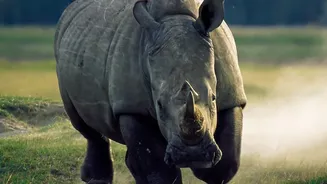
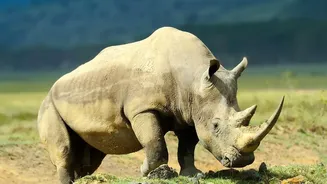
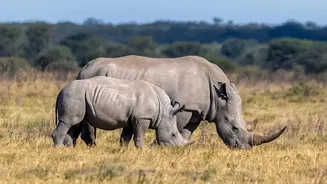
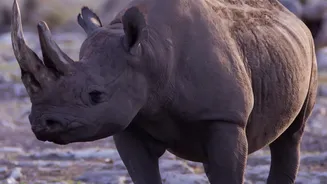
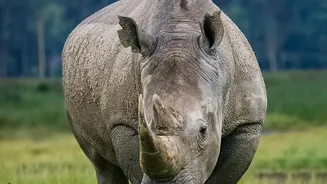
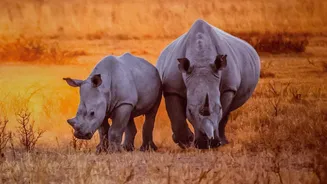
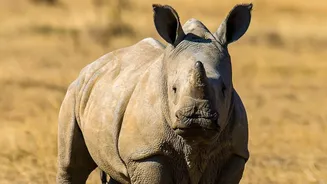
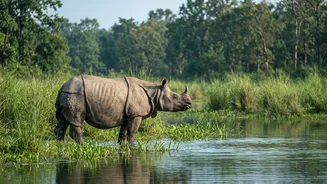
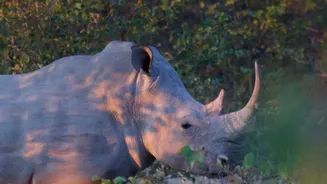
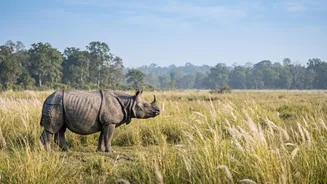
The fourth rhino census conducted in Dudhwa Tiger Reserve (DTR) has brought encouraging news for conservationists and wildlife lovers across the country. The survey tallied a total of 53 greater one-horned rhinoceroses. The crucial detail lies in the demographic
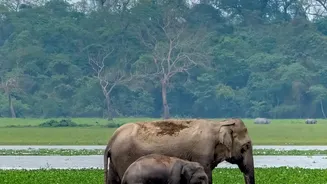
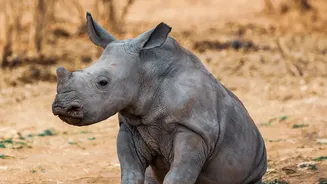
breakdown: 25 of these are adult females, compared to 17 adult males, with the remainder being 11 calves and sub-adults. This healthy, female-skewed sex ratio is a critical indicator of a population poised for growth. The census, a meticulous exercise carried out by 20 teams of forest personnel and experts from WWF-India, involved surveying the reserve's designated rhino rehabilitation areas atop elephants. This positive result comes despite the natural challenges of predation and territorial disputes, which resulted in three rhino deaths over the past year.
Why More Females Matter
In the world of conservation biology, a population with more breeding-age females than males is a recipe for success. A higher number of females directly translates to a greater potential for births, accelerating the population's growth rate. For a species like the greater one-horned rhino, listed as Vulnerable on the IUCN Red List, every birth is a step away from extinction. In populations with too many males, conflicts can arise over territory and mating rights, which sometimes lead to injuries or even death among rhinos, including females and calves. A balanced or female-biased ratio reduces this internal conflict, creating a more stable social environment for calves to be raised successfully. Therefore, the findings in Dudhwa suggest not just a growing population, but a structurally healthy one, capable of sustaining its own recovery.
A Four-Decade Journey
This success story was not written overnight. It is the culmination of a bold and challenging reintroduction program that began nearly four decades ago. The greater one-horned rhino was once widespread across the Gangetic plains but had been wiped out from the Dudhwa region by the late 19th century due to hunting and habitat loss. In 1984, in a pioneering effort, seven rhinos were translocated from Assam and Nepal to a specially created, fenced enclosure in Dudhwa. This founder population faced initial setbacks but slowly began to establish itself. Over the years, the rhinos were managed within two Rhino Rehabilitation Areas (RR1 and RR2) to protect them and foster breeding. The program was a cautious but determined experiment to see if a viable population could be rebuilt from scratch in its historical habitat.
Beyond the Enclosures
A major recent development in this long-running project has been the phased release of rhinos from their enclosures into the wilder, unfenced grasslands of the reserve. As of this year, 11 rhinos are now free-ranging, a significant step towards creating a truly wild and self-sustaining population. This move is designed to give the animals more space, reduce the risks of inbreeding, and improve genetic diversity within the group. These free-roaming individuals, tracked via radio collars, also represent a new opportunity for tourism, allowing visitors to the open safari zones a chance to witness these magnificent animals in a more natural setting. The successful adaptation of these rhinos is a testament to the meticulous planning and monitoring by the Uttar Pradesh Forest Department and its partners.
The Path Ahead
While the survey results are a cause for celebration, the work is far from over. The rhinos of Dudhwa still face significant threats. The proximity of the reserve to the India-Nepal border creates challenges related to poaching and human-wildlife conflict. Furthermore, tiger predation remains a natural threat, particularly for rhino calves. Ensuring the long-term security of this population requires constant vigilance, robust anti-poaching measures, and active habitat management. The success in Dudhwa also provides a valuable blueprint for other conservation programs, demonstrating that with long-term commitment, scientific management, and the dedicated efforts of frontline forest staff, it is possible to bring a species back from the brink.