

The Invisible Ripening Agent
The culprit behind this rapid ripening is a natural plant hormone called ethylene. Released as an odourless, colourless gas, ethylene acts as a master switch in the life cycle of many fruits. It signals cells to begin the processes we recognise as ripening:
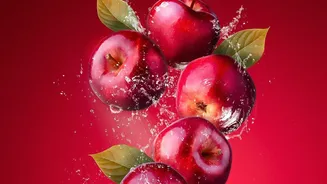
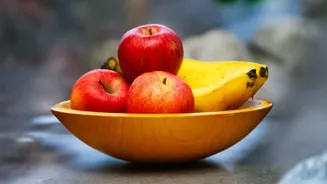
changing colour, softening, and becoming sweeter. While some fruits produce very little ethylene, others are prolific producers, and this difference is the key to understanding your fruit bowl dynamics. The old saying that “one bad apple can spoil the bunch” is chemically true because a ripening or bruised apple releases significant amounts of this gas.
High Ethylene Producers
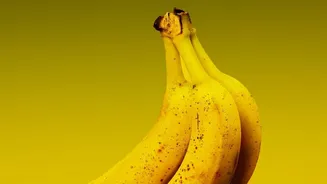
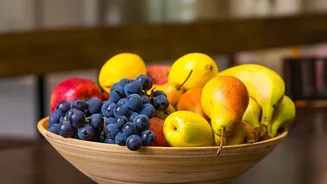
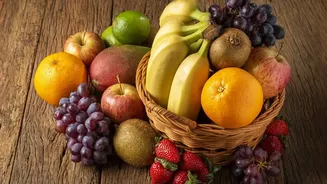
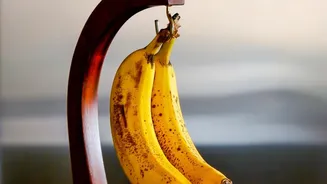
Apples are one of the most well-known high-ethylene producers, but they are far from alone. Other fruits that release substantial amounts of this ripening gas include apricots, avocados, ripe bananas, cantaloupes, pears, peaches, plums, and tomatoes. As these fruits mature, their ethylene production ramps up, creating a gaseous cloud around them that can influence any sensitive produce nearby. A ripe banana, for instance, also produces ethylene, which is why a single banana in a bunch will often cause its neighbours to ripen at a similar pace.
The Sensitive Bunch
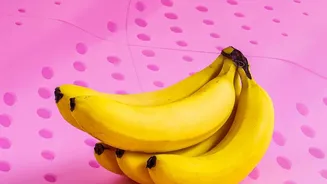
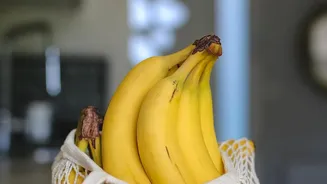
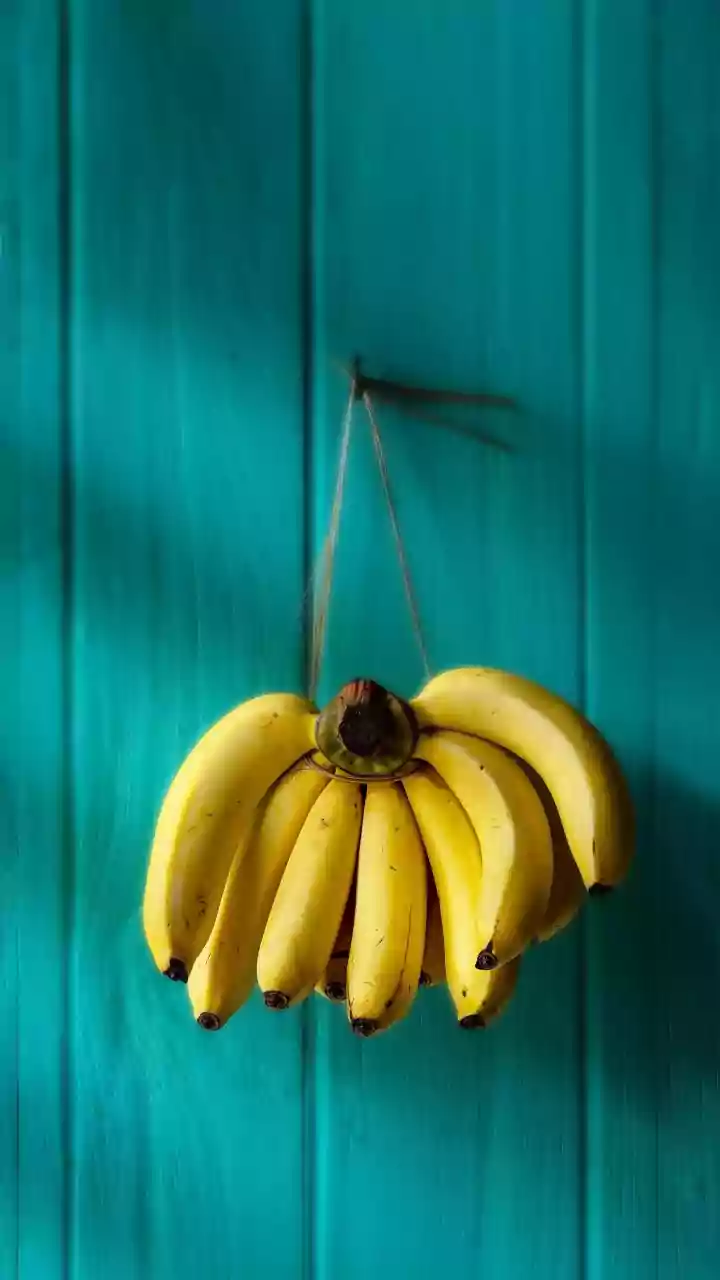
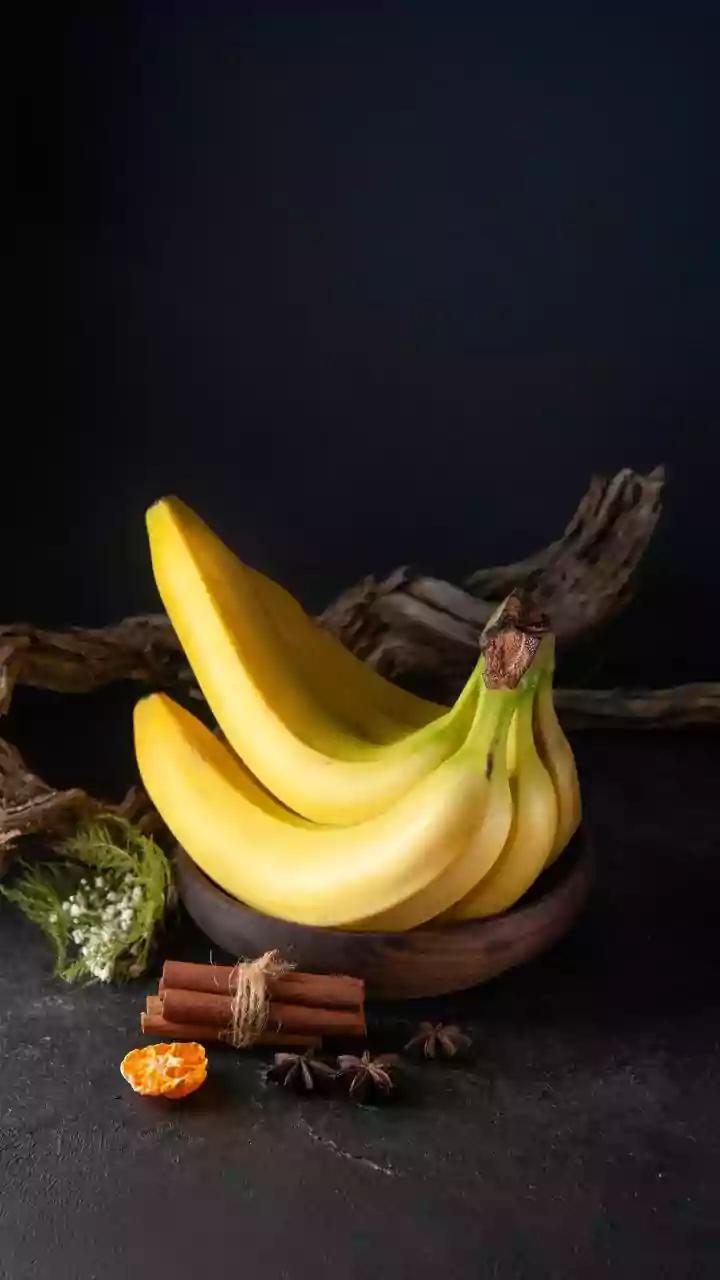
On the other side of the equation are ethylene-sensitive fruits and vegetables. These are items that react strongly when exposed to the gas. Unripe bananas are famously sensitive to ethylene. When an unripe banana detects ethylene in its environment—say, from a nearby apple—it triggers its own internal ripening process. This includes converting starches into sugars, which makes the fruit sweeter, and breaking down chlorophyll, which causes the peel to turn from green to yellow and eventually brown. Other sensitive produce includes asparagus, broccoli, carrots, cucumbers, and leafy greens, which can yellow, become bitter, or spoil faster when exposed to ethylene.
A Smart Fruit Bowl Strategy
Understanding the relationship between ethylene producers and sensitive produce allows you to take control of your kitchen counter. To keep your bananas from ripening too quickly, the simplest solution is to store them separately from high-ethylene fruits like apples. If you want your leafy greens, broccoli, or carrots to last longer, do not store them in the same crisper drawer as apples or pears. Refrigeration slows down the ripening process for most fruits, but bananas are an exception; they should be kept at room temperature until ripe. Once they reach your desired ripeness, you can move them to the fridge to keep them for a few more days, though the peel will turn black.
Harnessing Ethylene for Good
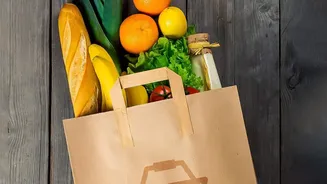
This powerful ripening agent isn't always the enemy. You can use your knowledge of ethylene to your advantage. If you have a hard, unripe avocado, peach, or pear, you can speed up its ripening by placing it in a paper bag with an apple or a ripe banana. The paper bag traps the ethylene gas that is released, concentrating it and accelerating the ripening of the sensitive fruit. Just be sure to check on it daily, as the process can happen quite quickly. This simple trick transforms ethylene from a source of spoilage into a useful tool for enjoying your fruit at its peak perfection.