





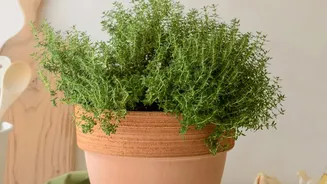
The Rise of the Urban Green Thumb
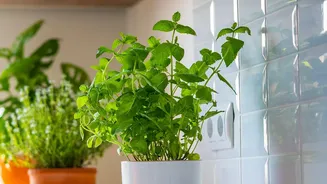
The appeal of a windowsill herb garden is clear. It offers apartment residents and those without outdoor space a way to connect with their food, save money, and add fresh, organic flavour to their meals with minimal effort. Beyond the culinary benefits,
tending to indoor plants can improve air quality and provide a calming daily ritual that enhances mental well-being. This trend isn't about achieving a massive harvest; it's about the satisfaction of snipping your own fresh basil for a pasta sauce or mint for a cup of tea, right from your kitchen.
Finding the Right Light and Location
Success starts with sunlight. Most culinary herbs are sun-lovers and require at least four to six hours of direct sunlight each day to truly thrive. A south-facing window is often considered ideal, but east or west-facing windows can also provide sufficient light. Before you start, observe your windowsills throughout the day to see which spots get the most consistent sun. Also, be mindful of temperature fluctuations; avoid placing your herbs too close to cold drafts or heat vents, as stable temperatures are important for healthy growth.
Your Starter Toolkit: Pots, Soil, and Plants
Getting started doesn't require expensive equipment. The three essentials are containers, the right soil, and your chosen herbs. Choose pots that are at least 4-6 inches deep to allow for healthy root development. Crucially, ensure every pot has drainage holes at the bottom to prevent water from pooling, which can lead to root rot. When it comes to soil, opt for a high-quality, lightweight 'potting mix' rather than heavy garden soil, as it provides the better drainage that container herbs need. While you can grow herbs from seed, beginners may find it easier to start with young plants from a local nursery or even a grocery store.
The Best Herbs for Beginners
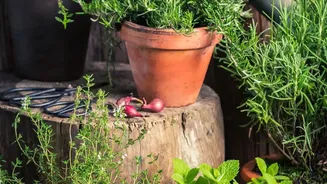
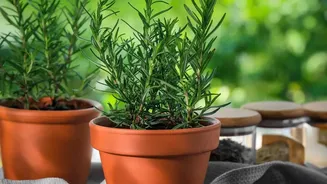
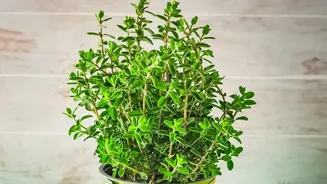
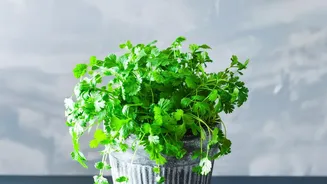
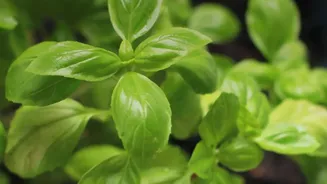
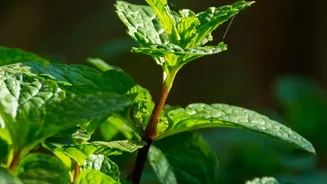
Not all herbs are equally suited for indoor life. For a hassle-free start, choose adaptable and popular varieties. Basil is a favourite that loves a sunny, warm spot. Chives are incredibly resilient and easy to grow, adding a mild onion flavour to dishes. Mint is famously vigorous, so it's best to give it its own pot to prevent it from taking over. Parsley is another great choice that does well in pots and brightens up countless recipes. Other excellent options for a sunny windowsill include thyme, oregano, and rosemary.
The Golden Rules: Watering and Harvesting
Overwatering is one of the most common mistakes in indoor gardening. A good rule of thumb is to check the soil with your finger; if it feels dry about an inch down, it's time to water. Indoor conditions change, so a rigid watering schedule is less effective than checking the soil's needs. Don't be shy about harvesting your herbs. In fact, regular trimming encourages the plants to grow fuller and bushier, and it prevents them from becoming 'leggy' or sparse. Once a plant is about 4-6 inches tall, you can start snipping leaves as needed, always cutting just above a leaf node to promote new growth.