

The Main Event: A Dazzling Display
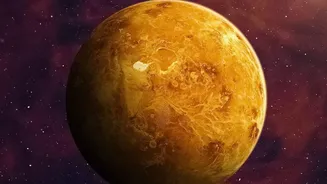
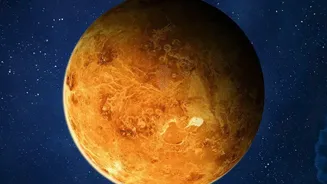
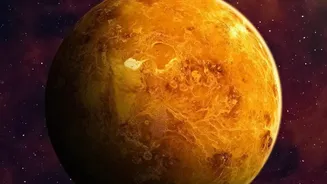
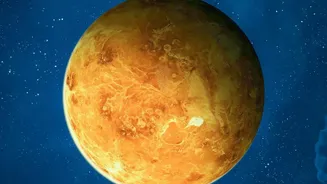
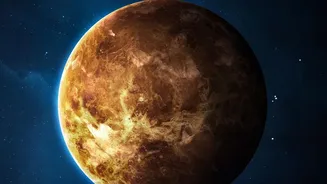
Mark your calendars for August 15, 2026. On this evening, Venus will reach what astronomers call its 'greatest eastern elongation'. In simple terms, this is when the planet will appear at its farthest from the Sun in our evening sky. This angular separation
gives us the perfect window to observe it. As the Sun dips below the horizon, Venus will linger, shining with remarkable brilliance against the deepening twilight. It will be the brightest object in that part of the sky, a steady beacon that easily outshines any actual star. This event isn’t just a fleeting moment; the days surrounding August 15 will also offer prime viewing opportunities for this celestial spectacle.
Understanding Evening Elongation
So, what exactly is happening up there? Venus orbits the Sun inside Earth's path, meaning we always see it relatively close to the Sun. We can only spot it for a few hours just after sunset (as an 'Evening Star') or just before sunrise (as a 'Morning Star'). An 'elongation' is the maximum angular distance Venus achieves from the Sun from our perspective. 'Eastern' elongation specifically means it is to the east of the Sun, making it visible in the evening. On August 15, Venus will be at its peak separation of about 46 degrees. This height allows it to climb above the atmospheric haze near the horizon, giving us a clearer, more stable view before it sets a few hours after the Sun.
How to Watch This Celestial Gem
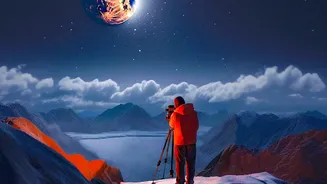
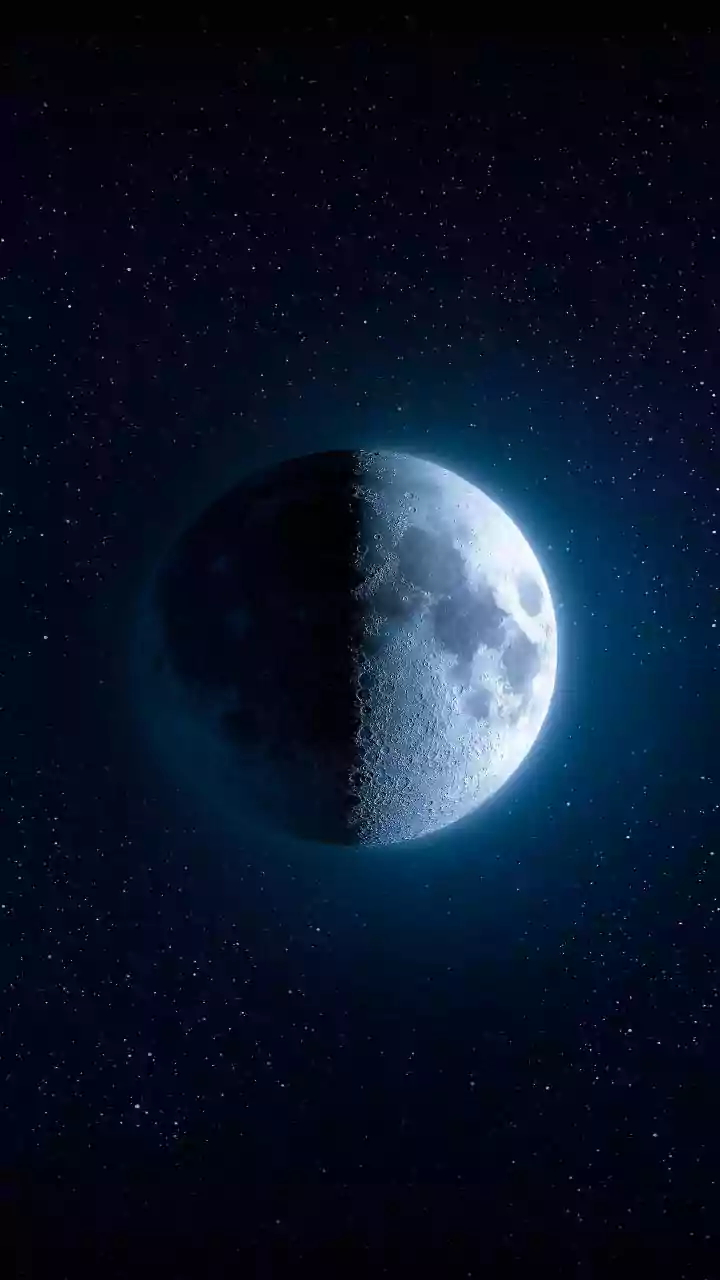
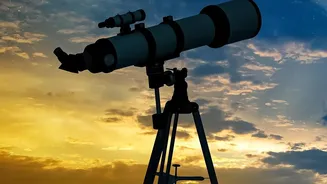
The best part about this event is its accessibility. You don’t need any fancy equipment. Venus is so bright it’s impossible to miss. Simply find a location with an unobstructed view of the western horizon, away from tall buildings or trees. Shortly after sunset, as the sky begins to darken, look to the west. Venus will emerge as a piercingly bright point of light. While binoculars or a small telescope aren't necessary, they will reveal a fascinating detail: Venus has phases, just like our Moon. Around the time of greatest elongation, Venus will appear about 50% illuminated, resembling a tiny, perfect half-moon. On August 15 and 16, a slender crescent Moon will also appear near Venus, creating a breathtaking photo opportunity.
An August Sky Full of Wonders
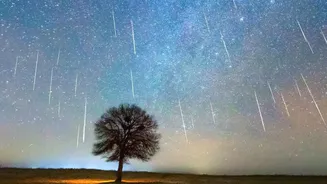
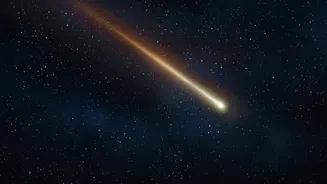
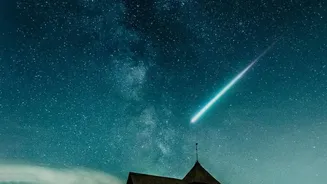
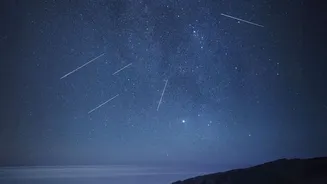
Venus may be the headliner, but August 2026 is packed with celestial treats. Just before the Venus elongation, the annual Perseid meteor shower will reach its peak on the nights of August 12 and 13. This year's shower promises to be one of the best in recent memory because its peak coincides with a New Moon. This means the sky will be perfectly dark, free from moonlight, allowing even faint meteors to be seen. Under ideal conditions, you could see up to 60 to 90 meteors per hour. For the best show, find a dark location away from city lights, lie back, and look up towards the northeast after midnight. The combination of a spectacular meteor shower and Venus at its best truly makes this a bright skywatching month.