





Why a Gradual Return Matters
Fasting gives your digestive system a well-deserved rest. During this period, your metabolism can slow down, and the production of digestive enzymes may be reduced. Suddenly introducing rich, oily, or heavy foods can shock your system, leading to common
issues like bloating, acidity, indigestion, and constipation. The goal is to reawaken your digestive fire slowly, preserving the cleansing feeling you've cultivated and ensuring your body absorbs nutrients effectively. A mindful transition helps you hold onto the wellness benefits of your fast long after the festival concludes.
Begin with Hydration and Fluids
Before you even think about solid food, prioritize hydration. Your body needs fluids to kickstart its processes. Start your day with a glass of warm water, perhaps with a squeeze of lemon. Coconut water is another excellent choice as it's packed with electrolytes and naturally hydrating. Herbal teas without caffeine or light, clear vegetable broths can also be soothing and prepare your stomach for more substantial food. These initial fluids replenish your body and gently awaken the digestive tract without overwhelming it.
Your First Post-Fast Meals
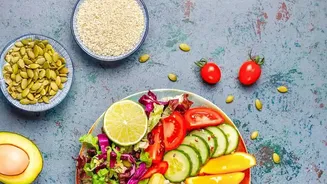
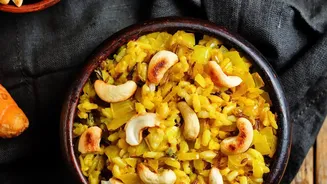
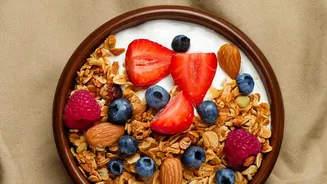
When you introduce solid foods, think 'light and soft'. Probiotic-rich foods are fantastic for gut health, so a small bowl of plain curd (yogurt) or a glass of buttermilk (chaas) is an ideal start. For your first proper meal, a simple moong dal khichdi is a classic choice for a reason; it combines protein and carbohydrates in an easily digestible form. Steamed or well-cooked vegetables like squash, carrots, and zucchini are also gentle on the stomach. Fruits such as bananas and papaya provide natural sugars for energy without being too harsh.
Foods to Reintroduce Slowly
Over the next two to three days, you can gradually bring back other food groups. Don't rush to eat everything you missed at once. Start reintroducing whole grains like rotis and brown rice in small portions. Pulses and legumes, which are high in fibre, should also be added back into your diet slowly to allow your system to adjust. Pay attention to how your body feels after each meal. If you feel heavy or bloated, scale back to simpler foods for your next meal. The key is to listen to your body's signals.
What to Avoid in the First 48 Hours
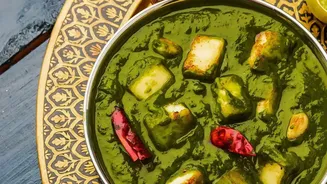
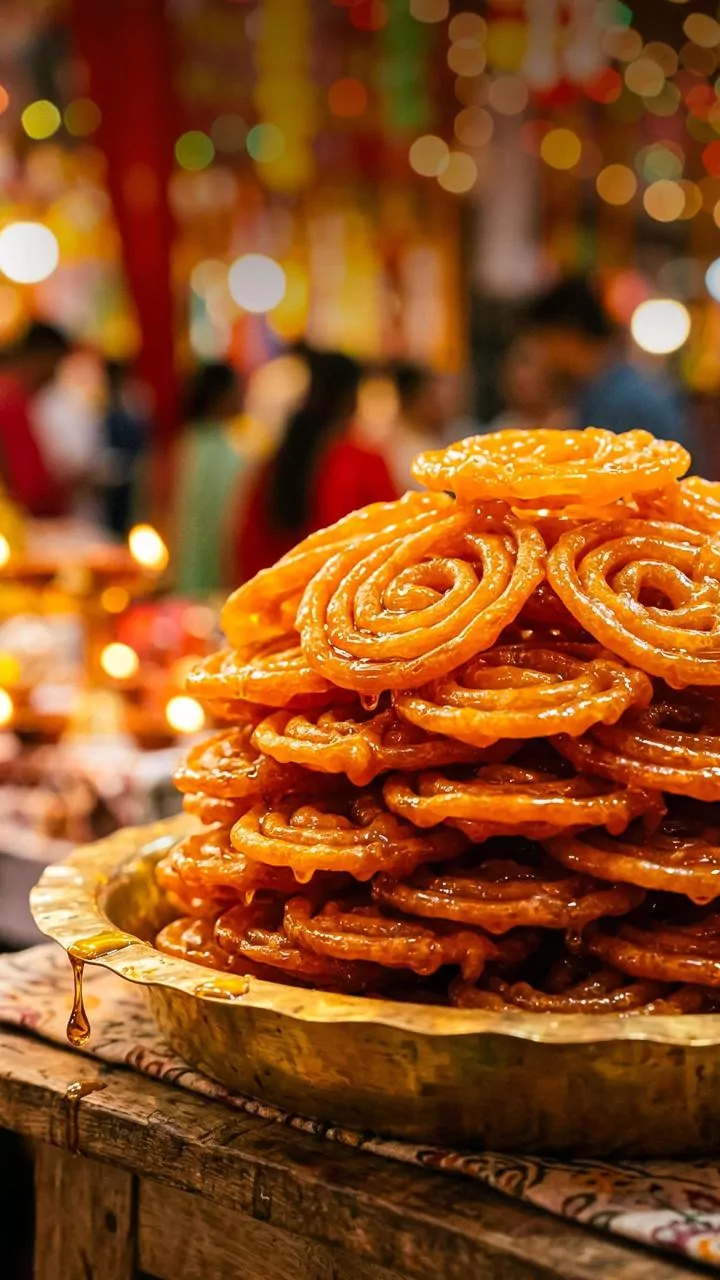
To prevent digestive distress, it's crucial to steer clear of certain foods immediately after your fast ends. Avoid anything deep-fried, excessively spicy, or laden with oil. Puris, pakoras, and rich, heavy curries can put immense pressure on your digestive system. Also, be cautious with sweets and processed foods high in refined sugar, as they can cause rapid spikes in blood sugar and lead to a feeling of sluggishness. It's best to save the festive feasts for a few days later, once your body has fully transitioned back to its regular eating pattern.