









Kerala's government has given the green light to an ambitious project to launch India's first airline in the cooperative sector. The move aims to reshape regional air travel, but what does a cooperative airline actually mean for passengers and the industry?
What is the Co-Operative Airline Plan?
The Kerala government has approved a proposal from the Kerala Civil Aviation Development Cooperative Society to launch a new airline. Tentatively named 'Co-Keralam', the initiative aims to create a carrier owned and funded by a collective of cooperative societies rather than a single corporate entity or the state itself. The project is being spearheaded by C.N. Vijayakrishnan, a prominent figure in Kerala's cooperative sector and the chairman of the MVR Cancer Centre and Research Institute. The announcement, made by Chief Minister V.D. Satheesan, positions the venture as a landmark moment for India's cooperative movement, extending its reach from traditional areas like banking and agriculture into the complex aviation industry.
How Will it Be Funded?
The financial model is one of the project's most unique aspects. Instead of relying on state funds, the plan is to raise capital from within the cooperative ecosystem. The proposal outlines a plan for approximately 200 cooperative societies to invest ₹2 crore each, which would generate an initial capital of around ₹400 crore. This structure is inspired by the successful public-private partnership model of Cochin International Airport (CIAL), which was also funded by a broad base of investors, including Non-Resident Indians (NRIs). The state's Chief Minister has also said the government would guarantee deposits made in the cooperative sector, aiming to build confidence among potential investors.
What Are the Proposed Operations?
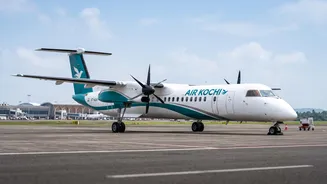
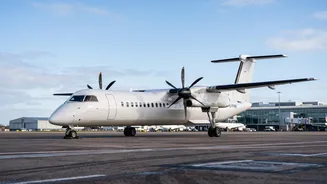
The airline's initial phase is focused on boosting regional connectivity within Southern India. The plan is to start by leasing two 72-seater aircraft, with Kochi serving as the operational hub. The proposed network will connect Kerala's major cities like Kozhikode and Kannur with key business and travel hubs in neighbouring states, including Bengaluru, Chennai, Mangaluru, Coimbatore, and Madurai. Promoters aim to offer affordable domestic fares, with proposed ticket prices ranging from ₹3,500 to ₹7,000. As operations stabilize, the fleet is expected to expand to four and eventually six aircraft. The long-term vision also includes charter services and air ambulances.
Why is This Happening Now?
The idea of a state_backed airline in Kerala, previously dubbed 'Air Kerala', has been discussed for years, primarily to address the high airfares faced by the state's large expatriate community in the Gulf countries. While the initial focus of Co_Keralam is domestic, the underlying goal is to provide more affordable and accessible air travel options. The cooperative model is seen as a way to demonstrate the strength and versatility of Kerala's powerful cooperative sector. By creating more direct regional links, the airline could reduce travel time and dependency on larger, often congested, airport hubs for journeys within the south.
What Are the Challenges Ahead?
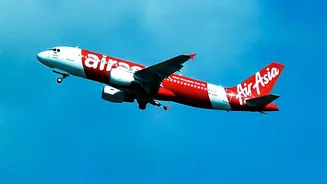
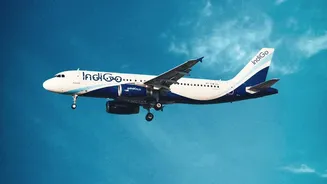
Launching an airline in India is notoriously difficult. The industry is characterized by high operational costs, intense competition from dominant players like IndiGo and Air India, and significant regulatory hurdles from the Directorate General of Civil Aviation (DGCA). The Indian aviation market, despite its rapid growth, has seen many new entrants struggle to achieve profitability due to factors like fluctuating fuel prices and a weak rupee. Co_Keralam will need to navigate these structural challenges, secure all necessary licenses, and prove its commercial viability in a market where even established giants have faced financial turbulence. While the government's approval is a significant first step, the journey from a proposal to the first flight taking off is long and complex.