



The Noble Lusitano Steed
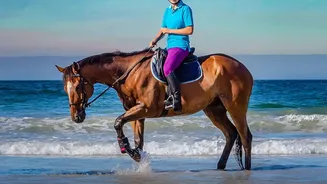
At the heart of any Portuguese equestrian tour is the horse itself: the noble Lusitano. This ancient Iberian breed is renowned for its intelligence, bravery, and comfortable gaits. Bred for centuries for bullfighting, classical dressage, and farm work,
Lusitanos are agile, reliable, and incredibly pleasant to ride. Whether you're an experienced rider or a relative novice, tour operators pride themselves on matching you with a well-schooled horse suited to your ability. These horses aren't just a mode of transport; they are your trusted partner and a living piece of Portuguese heritage. Many tours even include visits to famous stud farms, like Alter Real, where you can see mares and foals in the pastures.
Riding Through History's Footprints
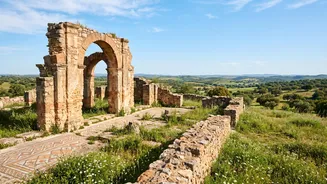
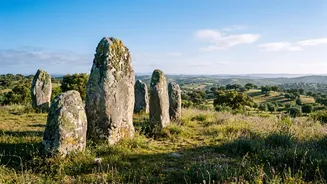
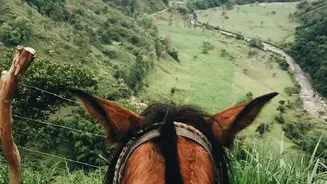
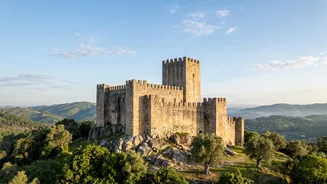
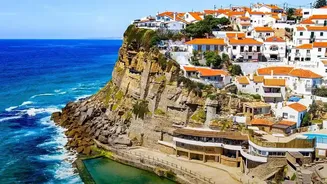
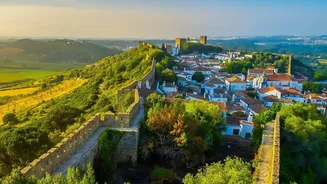
These tours are designed to immerse you in history, taking you along trails used for centuries. Popular regions like the Alentejo offer vast, open landscapes of rolling hills, cork-oak plantations, and vineyards. You'll follow ancient smugglers' routes along the Spanish border, ride across Roman bridges, and traverse paths that wind through national parks like Peneda-Gerês. The scenery is a constant companion, from the dramatic cliffs and deserted beaches of the Atlantic coast to the rugged mountains of the interior. The routes are carefully planned to reveal not just natural beauty but also the deep history etched into the land, passing by megalithic sites, ancient olive groves, and fortified medieval villages.
Pace, Skill, and Daily Life on the Trail
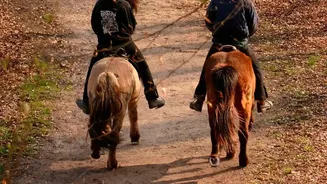
Riding days typically involve four to six hours in the saddle. The pace varies with the terrain, from leisurely walks that allow you to soak in the scenery to exhilarating canters and gallops along soft, sandy tracks. While some tours are designed for advanced riders, many cater to strong intermediate equestrians who are comfortable at all paces. Some operators even offer options for beginners, combining trail rides with lessons. Days often start with preparing your horse, followed by the morning's ride, and then a break for a picnic lunch in a scenic spot—perhaps in a pine forest or with a view of a distant castle. The afternoon ride brings you to your destination for the night.
From Historic Pousadas to Rustic Quintas
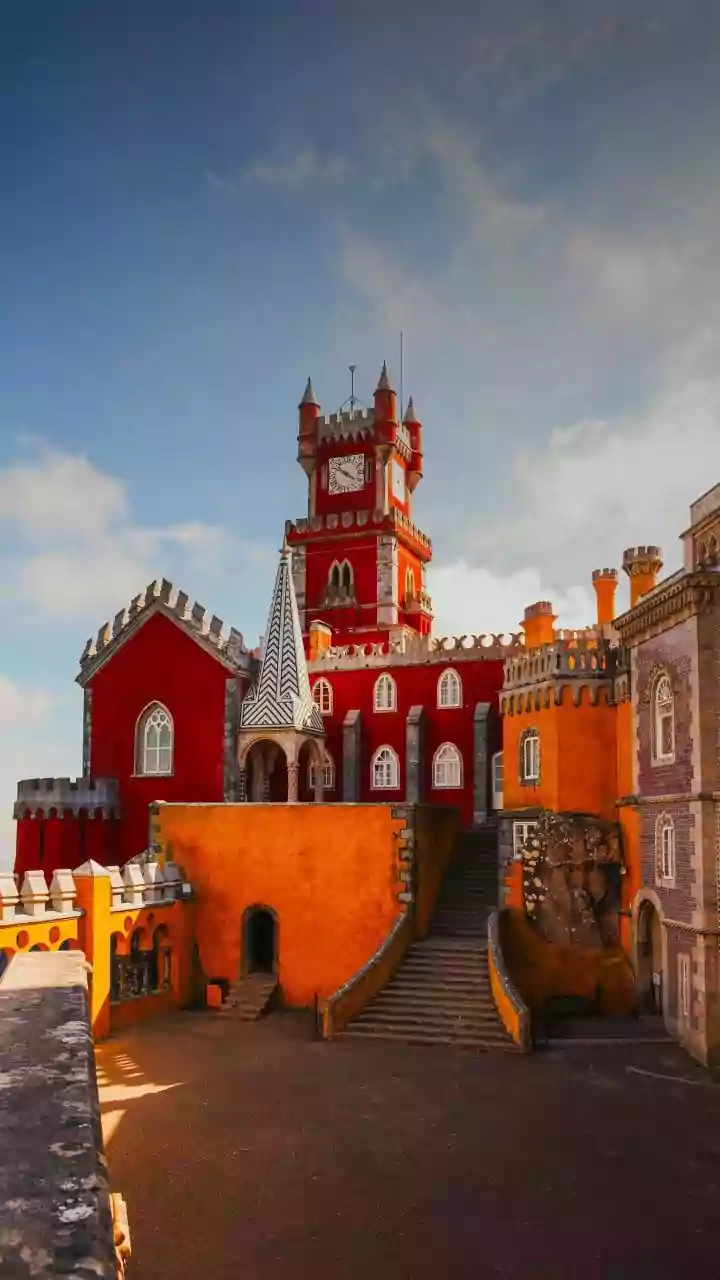
Your accommodation is a key part of the heritage experience. Instead of standard hotels, you'll often stay in places steeped in history. These can range from 'pousadas'—beautifully restored monasteries, castles, or manor houses—to 'quintas', which are traditional farms or country estates. These accommodations offer modern comfort while retaining their authentic charm, often featuring antique furniture, courtyards, and swimming pools. Evenings are a time to relax and savour Portugal's famed hospitality. Meals are a highlight, featuring hearty, traditional cuisine made from local ingredients, perfectly paired with regional wines. It's a chance to share stories with your fellow riders and guides.
More Than Just a Ride
While the riding is the main event, the 'heritage' focus means you'll engage with the culture off the horse as well. Tours often include guided visits to the historical sites you ride past. You might explore the intact 13th-century walls of Marvão, wander through the Roman ruins at Ammaia, or tour the famous national stud farm in Alter do Chão. Some tours delve into Portugal’s wine culture with rides through vineyards followed by wine tasting. Others focus on the country's wild side, with opportunities to see wildlife like eagles, foxes, and even herds of rare, wild Garrano horses in the mountains of the north. This blend of activity and culture ensures a deeply enriching experience.