





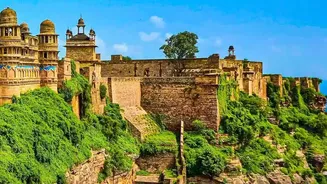
Master the Timings
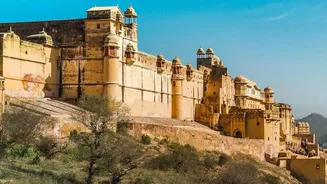
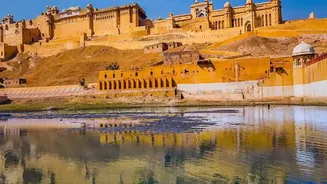
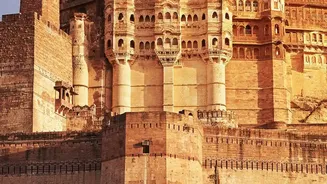
The single most important decision for a successful fort visit is timing. Most major forts in India, such as Mehrangarh in Jodhpur or Amer Fort in Jaipur, typically open around 9:00 AM and close by 5:00 PM. However, these hours don't tell the whole story.
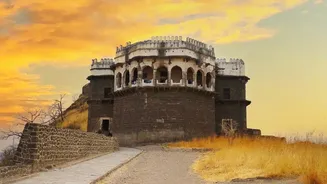
The midday sun, especially between 11:00 AM and 3:00 PM, can be intense and draining, turning stone pathways into ovens. The best strategy is the 'early bird or sunset' approach. Arriving right at opening time allows you to explore in the cooler morning air with fewer crowds. Alternatively, a late afternoon visit from around 3:00 PM onwards lets you experience the fort in the beautiful golden hour light, offering stunning photography opportunities and a more pleasant temperature. Before you go, always double-check the official website for the specific fort, as timings can change for holidays, festivals, or special events.
Beat the Heat
Managing the heat is crucial for enjoyment and safety. India's climate, particularly in regions like Rajasthan, demands respect. The first rule is hydration. Carry a reusable water bottle and sip water continuously throughout your visit, even if you don't feel thirsty. Adding electrolyte sachets can also help replace salts lost through sweating. Your clothing choice is your first line of defense. Opt for lightweight, loose-fitting clothes made from breathable fabrics like cotton or linen. Light colours are better as they reflect sunlight. A wide-brimmed hat, sunglasses, and a high-SPF sunscreen are non-negotiable accessories to protect you from direct sun exposure. Consider carrying a small, damp towel in a plastic bag or a handheld fan for instant cooling relief when you find a shady spot to rest.
Prepare for the Walk
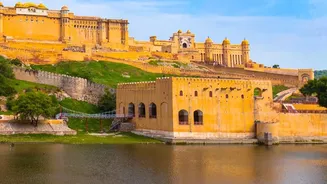
Forts were designed for defense, not for comfortable strolls. Exploring them involves significant walking, often on uneven stone paths and steep inclines. A fort like Chittorgarh is a sprawling complex that requires hours to see, while Mehrangarh involves a steep ascent to its ramparts. The most important gear you can have is a pair of comfortable, sturdy walking shoes with good grip. Leave the flip-flops at the hotel. Before your visit, do a quick search to understand the fort's layout. Some, like Amer Fort, offer options like jeep rides up the main incline, which can save you energy for exploring the palaces at the top. Others may have elevators or specific accessible routes, though this is not always the case. Pacing yourself is key. Don't try to see everything in a rush. Take frequent breaks in shaded courtyards and make use of the benches and cafes often found within the fort complexes.
The Smart Fort-Goer's Kit
A little preparation goes a long way. Assembling a small daypack with essentials will make your visit much smoother. Beyond water and sun protection, consider packing some light snacks like fruit or nuts to keep your energy levels up. While many large forts have cafes, they can be crowded and expensive. An audio guide is often a worthwhile investment, providing rich historical context that signboards lack. These can usually be rented at the ticket counter. Booking your tickets online in advance can save you from long queues, especially during peak season at popular sites like Delhi's Red Fort. Finally, carry enough cash. While larger forts accept cards, smaller vendors, guides, or transport options around the fort might not. A portable power bank for your phone is also a wise addition, as you'll likely be taking many photos.