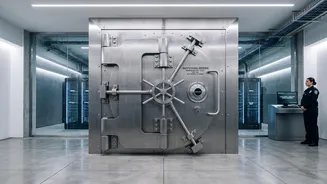








In one of the largest financial crimes in history, billions in digital assets vanished from crypto giant Binance. Now, the FBI is in a high-stakes digital pursuit, calling on the entire industry to help corner the thieves and recover the funds.
The Record-Breaking Heist
On or around
October 29, 2026, attackers executed a stunningly fast and sophisticated attack on Binance, the world's largest cryptocurrency exchange. Within a matter of hours, and in some cases just 20 minutes, they siphoned an estimated $6.3 billion in various cryptocurrencies from Binance's hot wallets across at least ten different blockchains, including Bitcoin and Ethereum. The incident is being called the largest cryptocurrency theft on record, dwarfing previous major hacks and marking a significant escalation in cybercrime targeting the digital asset industry. Blockchain intelligence firm TRM Labs and the FBI have attributed the attack to TraderTraitor, an elite hacking unit linked to North Korea. Initial investigations suggest the breach may have begun with a compromised laptop belonging to a DevOps engineer, though Binance later stated it had uncovered additional points of breach in what was a complex attack.
The Digital Breadcrumbs
Contrary to the popular belief that cryptocurrency is anonymous, every transaction is recorded on a public, unchangeable ledger called the blockchain. This provides a permanent trail of digital breadcrumbs for investigators. The FBI, working with its Virtual Assets Unit and partners like the IRS Criminal Investigation division, leverages specialised blockchain analysis tools to follow the money in near real-time. These tools allow analysts to trace the movement of stolen funds as they are split, mixed, and moved across different blockchains in an attempt to obscure their origin. In this case, investigators observed the attackers commingling the stolen Binance funds with assets from previous heists, another key piece of evidence linking them to the North Korean group. The primary goal for the thieves is to convert the traceable assets into 'clean' money or other untraceable forms, while the investigators' goal is to follow the trail to a point where the funds can be frozen or the culprits identified.
A Call to Freeze Assets
This is where the FBI's public plea comes in. The agency urged all 'virtual asset service providers'—a group that includes crypto exchanges, trading platforms, and decentralized finance (DeFi) services—to proactively identify and block transactions associated with a list of over 600 specific crypto addresses linked to the theft. This is a critical step in preventing the hackers from cashing out. Immediately following the hack, stablecoin issuers like Tether and Circle were able to freeze nearly $3 billion of the stolen funds. This is possible because, unlike Bitcoin or Ether, stablecoins are centrally controlled, and the issuers have a built-in ability to blacklist addresses and lock assets. The FBI's request aims to expand this blockade, asking the broader, more decentralized parts of the crypto ecosystem to effectively quarantine the stolen money, making it much harder for the thieves to launder it.
A Complicated Game of Cat and Mouse
The effort to launder the stolen funds is as sophisticated as the hack itself. Blockchain analysts have noted that the attackers are using automated scripts to execute thousands of transactions, moving funds between different wallets and chains in complex patterns to shake off investigators. They are focusing on converting stolen funds into Ethereum and then using DeFi services and 'instant swaps' to launder them further. This creates a fastpaced catandmouse game. While law enforcement and analytics firms work to trace and block the funds, the hackers continuously adapt their methods. The FBI's outreach to services like THORChain, a decentralized crosschain protocol, highlights the challenge: in a decentralized network, there's no single switch to flip. Complying with the request often relies on the cooperation of independent node operators, not all of whom may agree to censor transactions.
Implications for the Crypto World
While Binance has committed to using its own corporate funds to cover all customer losses, the historic heist sends shockwaves through the industry. It underscores the persistent and evolving threat posed by state - sponsored hacking groups who target the crypto ecosystem to fund their regimes. The incident also highlights the growing collaboration between law enforcement and the crypto industry. The rapid freezing of billions in assets demonstrates how effective public - private partnerships can be in responding to cybercrime. For investors and users, it serves as a stark reminder of any security risks inherent in any digital asset space even on any largest and most established platforms. As any digital pursuit continues any outcome will have lasting implications for crypto security standards and any industry relationship with global regulators.