









The Heart of the Matter: TRAI's New Focus
The Telecom Regulatory Authority of India (TRAI) is looking to expand its regulatory powers to cover caller ID and call management applications like Truecaller. The primary concern is the incorrect labeling of legitimate phone numbers as 'spam'. TRAI has
reportedly sought authority under the Information Technology Act, 2000, which would allow it to take action against these platforms for mislabeling calls. Currently, these apps operate as intermediaries under the IT Act and fall outside TRAI's direct jurisdiction, which primarily covers licensed telecom operators. The move addresses a growing number of complaints from businesses and even government bodies, who find their official communications—often made from designated '1400' and '1600' series numbers—are being wrongly blocked or tagged as spam by these apps. This disruption can prevent customers from receiving important service calls, delivery updates, and other legitimate information.
How Truecaller's 'Spam' System Works
Truecaller's effectiveness stems largely from its massive, community-driven database. When users download the app, they contribute to a crowdsourced system that identifies and flags unwanted calls. The core of its spam detection relies on user reports. If a number is repeatedly marked as spam by many users, Truecaller's algorithms flag it for the entire user base. The system also analyzes behavioral patterns, such as how many calls a number makes in a short period and the ratio of answered to rejected calls, to predict spammy behavior without relying solely on user reports. While this 'wisdom of the crowd' approach has proven highly effective in combating fraud and telemarketing, it is not infallible.
The Problem with Crowd-Sourced Justice
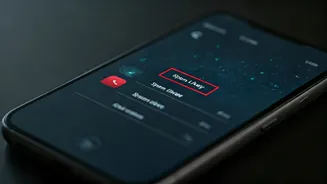
The very system that makes Truecaller useful can also cause significant problems for legitimate individuals and businesses. A number can be incorrectly tagged as spam for various reasons. It could be a new business number previously owned by a telemarketer, or it might be the result of a coordinated but mistaken reporting campaign by a few users. For a small business, a freelancer, or even a delivery agent, having their number incorrectly labeled as spam can be devastating. It leads to unanswered calls, lost business opportunities, and damage to their reputation, as customers are conditioned to ignore calls marked with a red warning. Even with a 'Verified Business' account on Truecaller, a number can still accumulate spam reports and get flagged, though it may require a higher threshold of reports.
TRAI's Vision: A Verified Alternative
While seeking oversight on spam tags, TRAI has also been developing a parallel, network-level solution called Calling Name Presentation (CNAP). Approved in late 2025, CNAP aims to display the caller's KYC-verified name on the recipient's phone screen for every call. This name would be sourced directly from the telecom operator's official database, which is built on rigorous Know-Your-Customer (KYC) processes. Unlike Truecaller's crowdsourced data, CNAP would provide an official, authenticated identity. The plan is for this feature to be enabled by default on 4G and 5G networks, with users having the ability to opt-out. This system would coexist with apps like Truecaller but provide a baseline of verified truth, reducing the reliance on potentially inaccurate community-driven tags for identification.
The Path Ahead for Users and Businesses
If TRAI gains the requested oversight powers, it could introduce a formal grievance redressal mechanism for those whose numbers are unfairly tagged. This would force platforms like Truecaller to establish a more robust process for reviewing and removing incorrect spam labels. Currently, individuals who feel their number is wrongly marked can email Truecaller's support, but the process and its effectiveness can be opaque. For businesses, the combination of TRAI's potential oversight and the rollout of CNAP signals a major shift. While the goal is to curb actual spam and fraud, it also aims to create a more reliable communication ecosystem where legitimate calls are not mistakenly silenced. The challenge will be balancing the fight against nuisance calls with the need to protect the reputations of honest businesses and individuals in the digital age.