




A State Under Siege by Rain
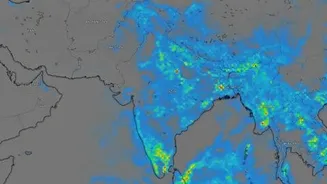
The latest onslaught from the southwest monsoon began in early August, with the India Meteorological Department (IMD) issuing red and orange alerts across multiple districts. The torrential downpours have been particularly severe in central and northern
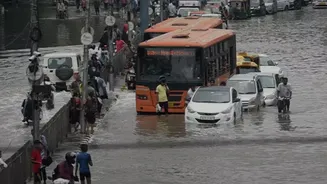
Kerala. Districts such as Pathanamthitta, Kottayam, Idukki, and Wayanad have been battered by extreme rainfall events, leading to overflowing rivers and dangerous landslides. The Pamba, Manimala, and Meenachil rivers have breached their banks, inundating towns and villages. This deluge has turned roads into rivers, cut off communities, and brought back harrowing memories of the catastrophic floods of 2018. As of August 5, the state has recorded 26 deaths, with several people still missing.
The Human Cost of the Deluge
The most immediate impact is the mass displacement of people. As of August 5, official figures state that 27,048 people have sought refuge in 462 relief camps operating across the state. These camps, often set up in schools and community halls, are providing essential shelter, food, and medical attention. The highest concentrations of displaced people are in Pathanamthitta, Kottayam, and Alappuzha districts. Many schools in the worst-hit taluks have been declared closed, not only due to waterlogging but also because the buildings are now temporary homes for the displaced. Beyond the numbers, each person in a camp has a story of loss — of a home submerged, possessions washed away, and livelihoods destroyed. The government confirmed that over 50 houses have been completely destroyed and hundreds more have been partially damaged.
Massive Rescue and Relief Operations Underway
In response to the crisis, a massive, multi-agency rescue and relief operation is in full swing. Teams from the National Disaster Response Force (NDRF) have been deployed to the worst-affected areas, conducting complex evacuation operations in treacherous conditions. They are working alongside state police, fire and rescue services, and local volunteers who have become a crucial part of Kerala's disaster response. Helicopters are on standby for aerial support, and rescue boats have been moved to heavily flooded regions like Chengannur to rescue stranded families. The state government has announced a compensation package for the victims, including financial aid for the families of the deceased and assistance for those who have lost their homes and property.
A Familiar Struggle with Higher Stakes
For many in Kerala, this recurring disaster feels like a grim echo of the past. The 2018 floods were a watershed moment, exposing the state's vulnerability to extreme weather events. Since then, there has been a significant focus on improving early warning systems and disaster response coordination. However, experts point out that the continued ecological degradation of the Western Ghats and unsustainable land use practices have amplified the impact of climate change-driven extreme rainfall. With every new monsoon, the state is forced to confront the harsh reality that responding to disasters is not enough; building long-term ecological resilience is the only way to mitigate the scale of future tragedies.