







The New Realities of Eating
Our reliance on outside food has grown immensely. Long-distance train travel and the explosive growth of food delivery apps have changed how, where, and when we eat. While convenient, this shift puts the responsibility of food safety partly in our hands.
Recent incidents on railways have raised concerns, and the digital nature of app ordering presents its own challenges. The Food Safety and Standards Authority of India (FSSAI) is continually updating regulations for both railways and e-commerce platforms to tackle these issues, but consumer awareness remains the first line of defence against foodborne illnesses.
On the Rails: Navigating Train Food
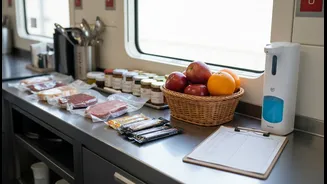
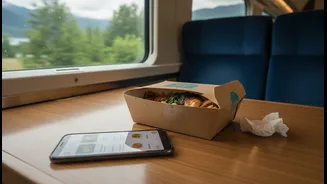
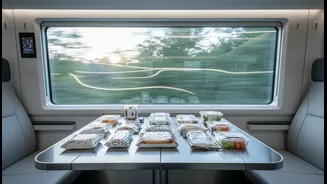
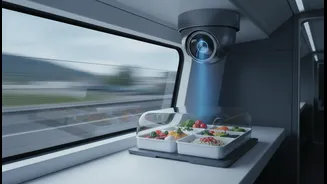
Indian Railways is taking steps to improve food quality, including mandating FSSAI certification for catering units and installing CCTVs in base kitchens. However, vigilance is key. A recent directive on July 7, 2026, reiterated the need for strict cleaning and pest-control protocols in pantry cars, indicating that issues persist. Whenever possible, opt for hot, freshly prepared meals, as heat kills most bacteria. Using IRCTC's e-catering service to order from reputable, well-rated restaurants at major stations is a safer bet than relying on unknown platform vendors. Look for QR codes on food packets, which can provide details like the kitchen's name and packaging date. Always carry your own water or buy sealed, branded bottles like Rail Neer.
App Orders: Swiping Safely
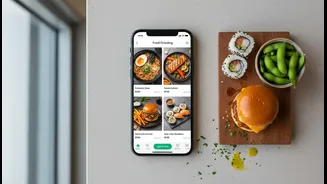
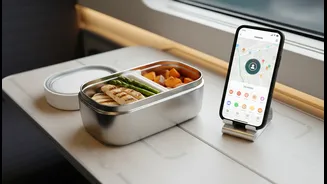
Food delivery apps are convenient, but safety depends on the restaurant, not just the app. FSSAI mandates that all listed restaurants must have a valid FSSAI license, and this number should be verifiable on the app. Before ordering, check the restaurant's hygiene rating and read recent customer reviews, paying attention to comments on food quality and freshness. To reduce risks, FSSAI has also mandated that delivery personnel undergo food safety training. Opt for contactless delivery and pay online to minimize interaction. Once the food arrives, check that the packaging is sealed and tamper-proof. If something smells or looks off, it's better to be safe and discard it.
DIY Defense: Pack for Protection
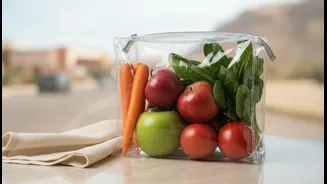
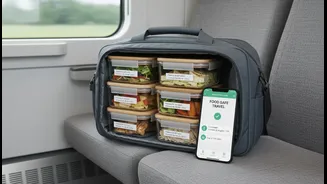
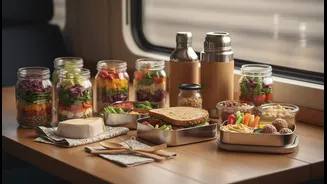
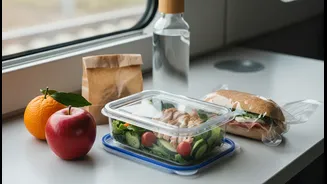
For long train journeys, the safest meal is the one you pack yourself. Items that travel well include dry preparations like theplas, puris with pickles, and roasted poha or sattu powder. Avoid carrying foods with onion or wet curries for more than a few hours. Fruits like apples and oranges are also great options. Always maintain personal hygiene by washing your hands with soap or using a sanitiser before eating, especially in a train environment where surfaces can be contaminated. Carrying your own cutlery can also reduce exposure to germs. Simple, home-style food is easier on your digestive system during long periods of limited movement.
Red Flags to Watch For
Whether on a train or at home with a delivery, be alert for signs of unsafe food. Common symptoms of foodborne illness include nausea, vomiting, diarrhoea, and stomach cramps, which can appear hours or days after consumption. Specific red flags for the food itself include broken or damaged packaging, a strange or sour smell, an unusual texture or colour, and food that is meant to be hot but is served lukewarm. If you have a bad experience with railway food, you can report it to IRCTC's helpline. For app orders, use the platform's review and complaint features. Trust your instincts; if the food seems questionable, do not eat it.