




Start with a Better Noodle
The foundation of a healthier pasta dish is the pasta itself. While traditional pasta is made from refined flour, many alternatives now line supermarket shelves. Whole-wheat pasta is an excellent choice as it contains the entire wheat kernel—bran, germ,
and all. This means it's naturally higher in fibre, which helps you feel full longer and supports digestive health. For an even bigger boost in fibre and protein, consider pastas made from legumes like chickpeas, lentils, or edamame. These options are often gluten-free and pack a significant nutritional punch, with some edamame pastas offering up to 13 grams of fibre per serving.
Load Up on Summer Vegetables
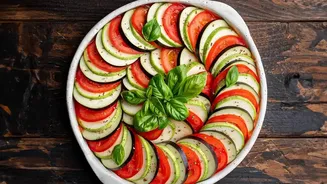
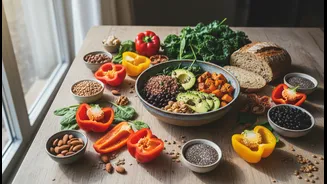
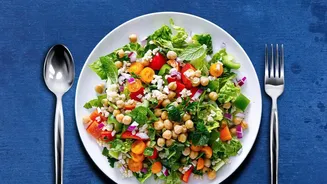
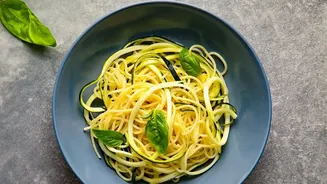
Summer offers a bounty of fresh, flavourful vegetables that can transform your pasta from a carb-heavy dish into a nutrient-dense meal. Loading your plate with vegetables not only adds vitamins and minerals but also significantly increases the fibre content. Sautéed zucchini, bell peppers, asparagus, and cherry tomatoes add vibrant colour and texture. Wilting dark leafy greens like spinach or kale into your sauce is another easy way to boost nutrition. By making vegetables the star of the dish and pasta the supporting act, you can enjoy a satisfying portion that is both lighter and more nutritious.
Choose Fats That Fight Cholesterol
A key part of a cholesterol-lowering diet is choosing healthy fats over saturated ones. Instead of heavy, cream-based alfredo sauces, opt for light, heart-healthy alternatives. A simple sauce made with a drizzle of olive oil, fresh garlic, and herbs is a classic and healthy choice. Pesto, made with basil, pine nuts, and olive oil, can also be a good option, especially if you blend in extra greens like spinach for more fibre. Healthy fats from sources like olive oil and nuts can support heart health, a stark contrast to the saturated fats found in butter and cream that are often used in richer pasta sauces.
Harness the Power of Soluble Fibre
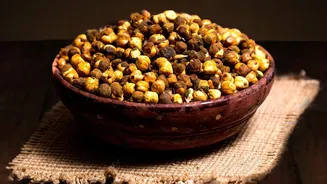
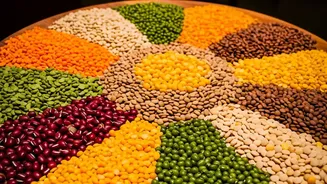
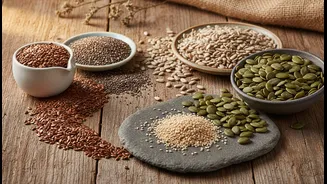
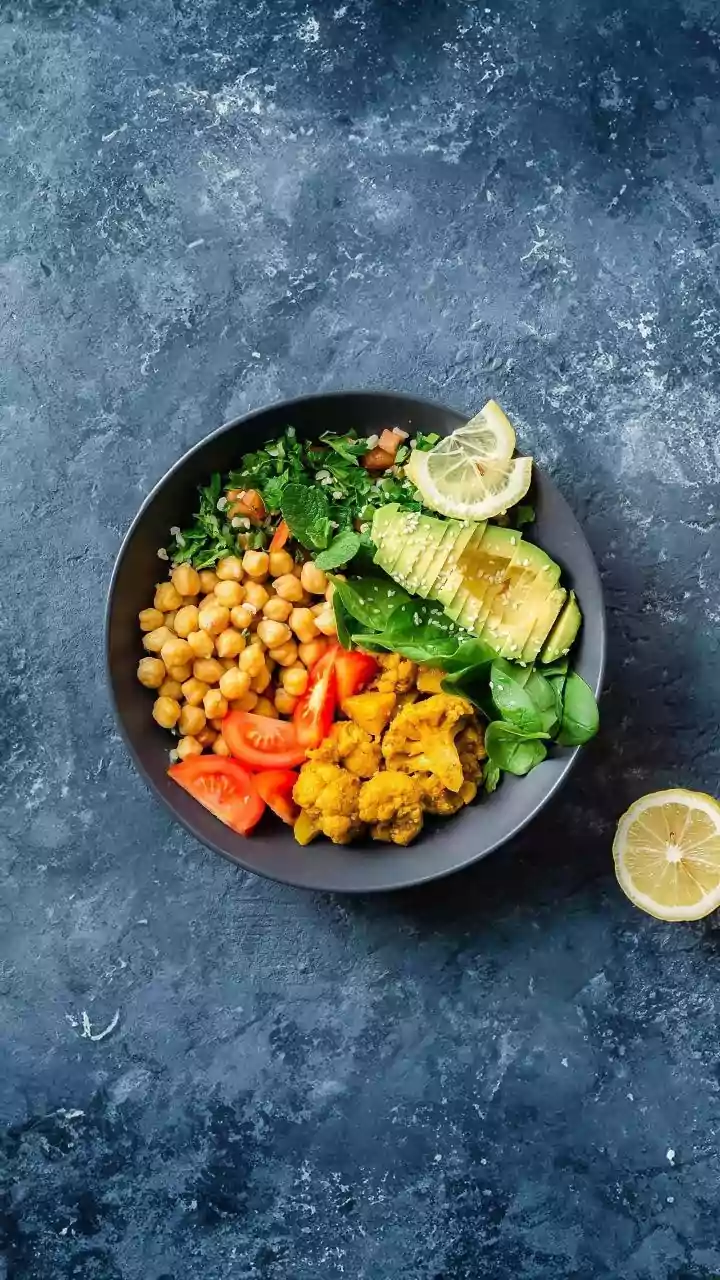
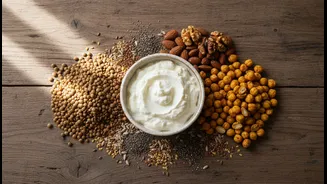
To specifically target cholesterol, focus on incorporating soluble fibre. This type of fibre dissolves in water to form a gel-like substance in your digestive system, which can help lower LDL (bad) cholesterol levels. Many foods rich in soluble fibre work wonderfully in pasta dishes. Beans—such as kidney beans, chickpeas, or white beans—are fibre superstars and can be mixed directly into your pasta or blended into a sauce to make it creamier and more filling. Adding lentils to a tomato-based sauce is another fantastic way to increase both fibre and protein. Even adding oat bran or ground flaxseed to your sauce can thicken it while adding a dose of cholesterol-lowering fibre.
Pick a Lean Protein
Protein is essential for making a meal satisfying, but the source matters. For a heart-healthy pasta dish, choose lean proteins. Grilled chicken breast, shrimp, or fish like salmon and mackerel are excellent choices. Plant-based proteins are also a perfect fit. As mentioned, lentils and beans are fantastic additions that provide both protein and fibre. Tofu and tempeh can also be incorporated into various sauces or served alongside your pasta. By avoiding high-fat processed meats like sausage and bacon, you keep the saturated fat content low, aligning with a cholesterol-conscious diet.
Mind Your Portions
Even the healthiest pasta dish can become less so if portion sizes are too large. A standard serving of cooked pasta is about one cup, not the heaping plateful often served in restaurants. To make a smaller portion feel more substantial, bulk up your meal with a large side salad or an extra helping of roasted vegetables. This strategy allows you to enjoy the pasta you love while keeping calories in check and maximizing your intake of fibre and other important nutrients. Cooking pasta until it is 'al dente' (firm to the bite) can also help, as overcooked pasta may have a higher glycemic index.